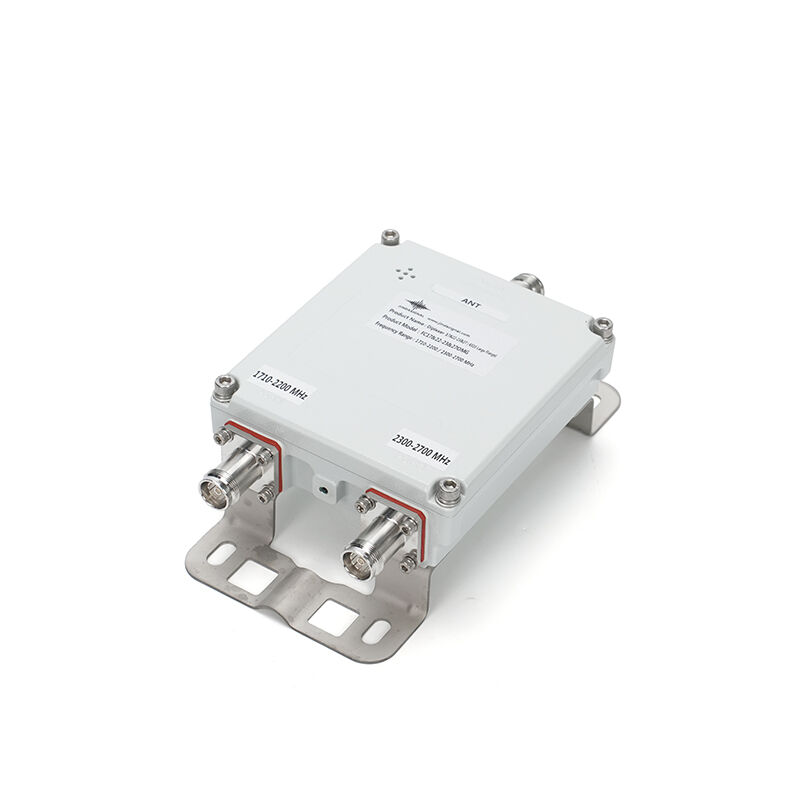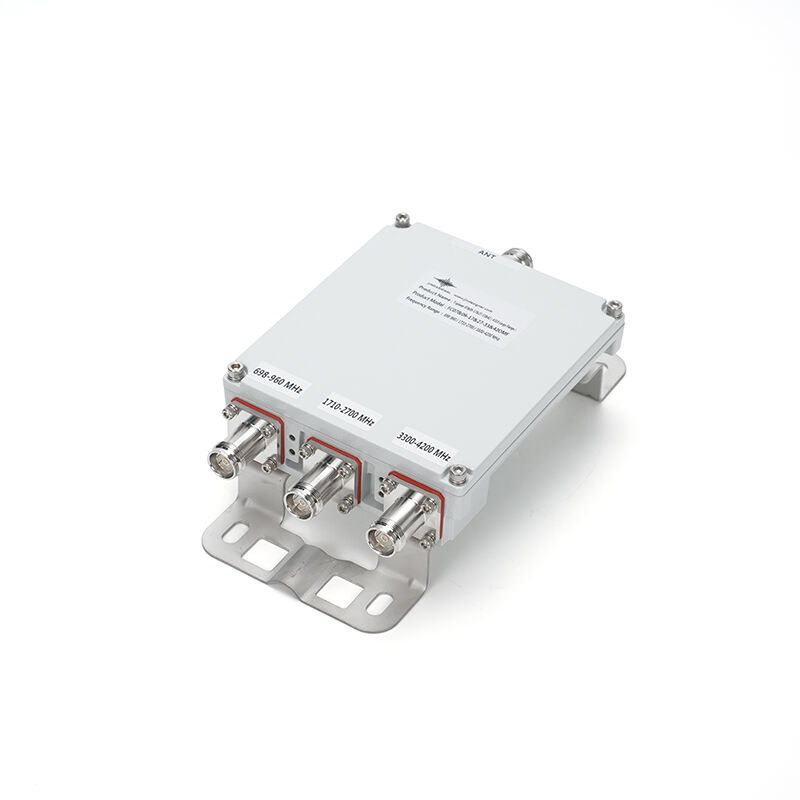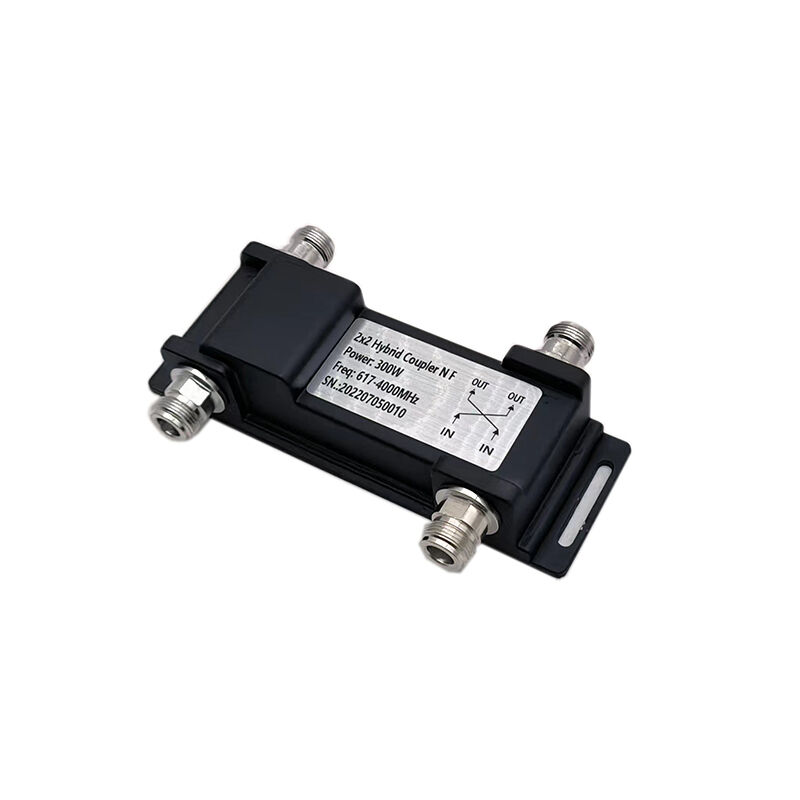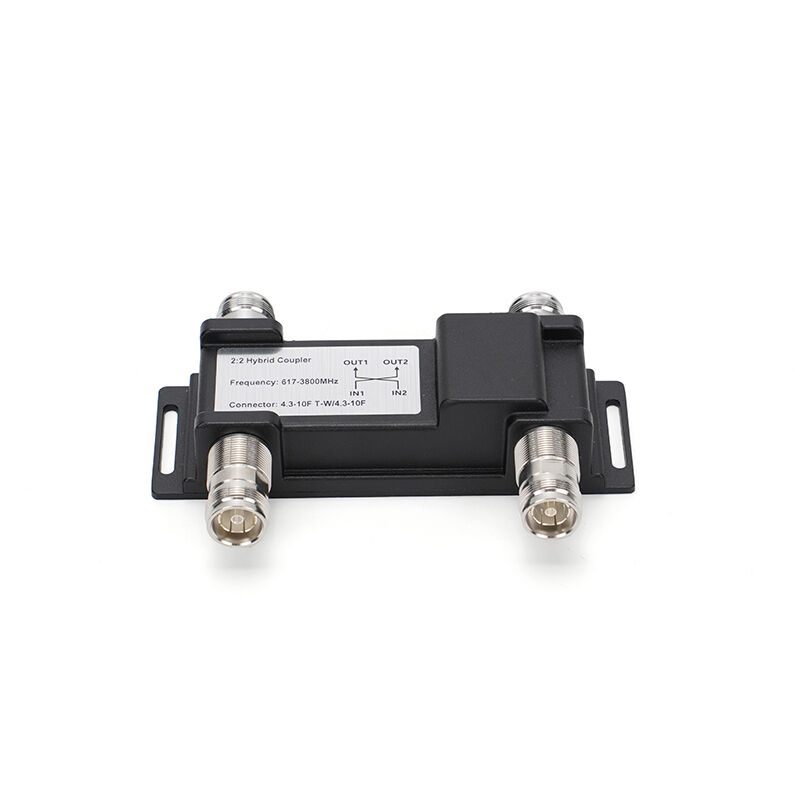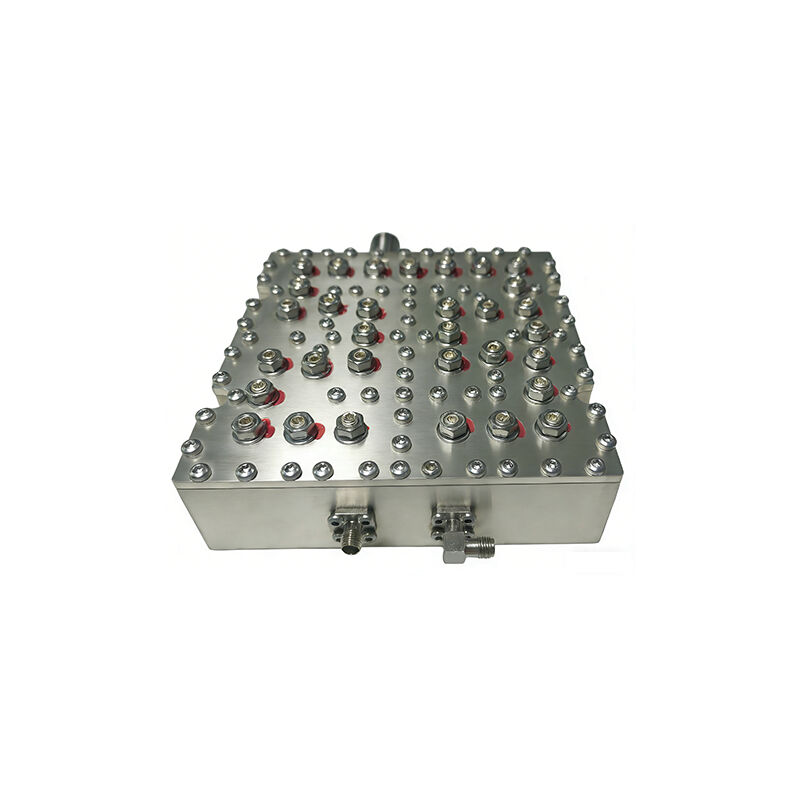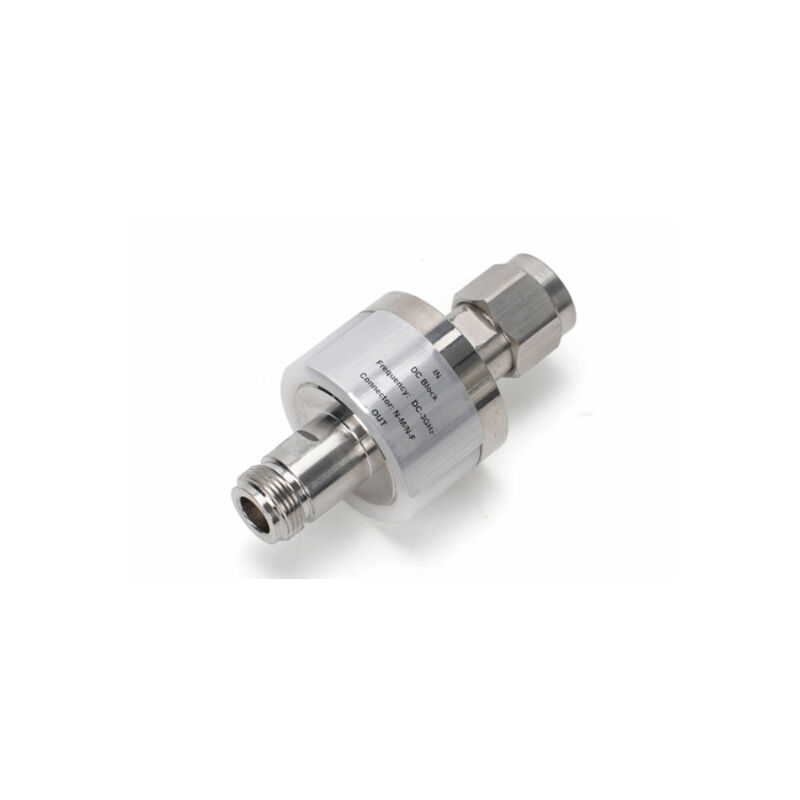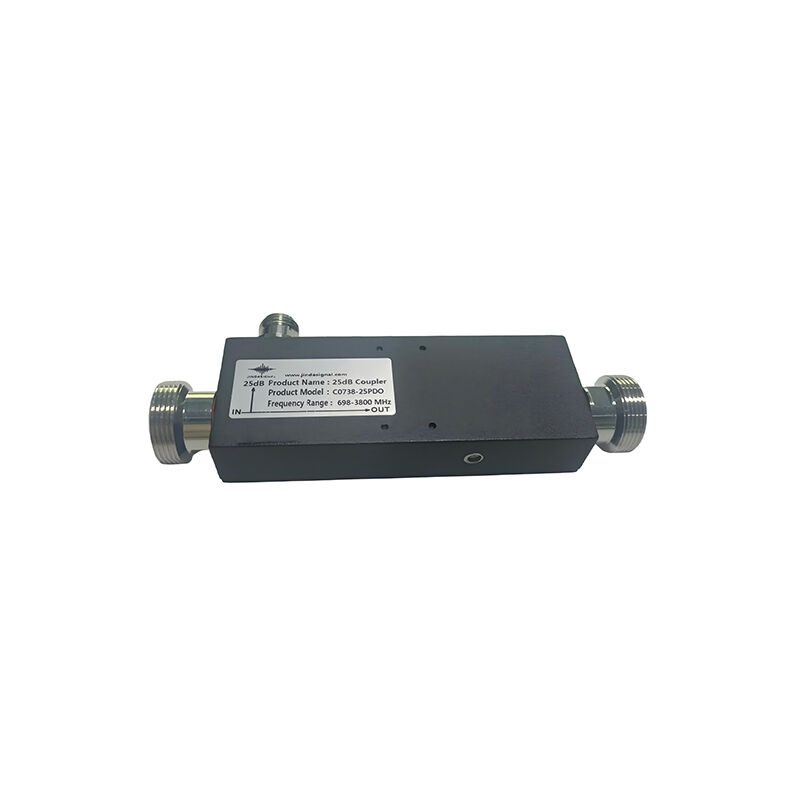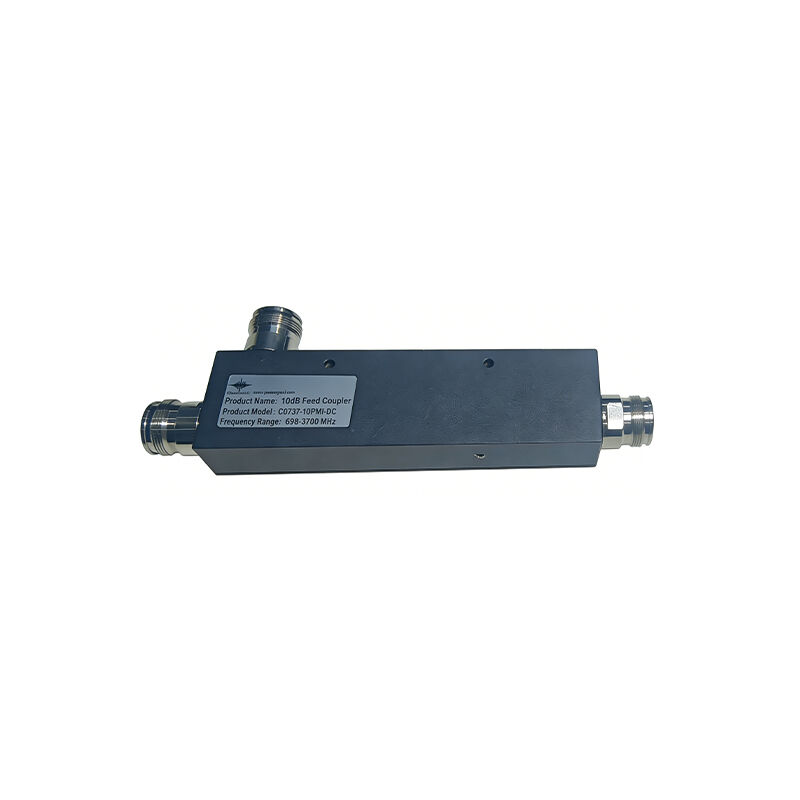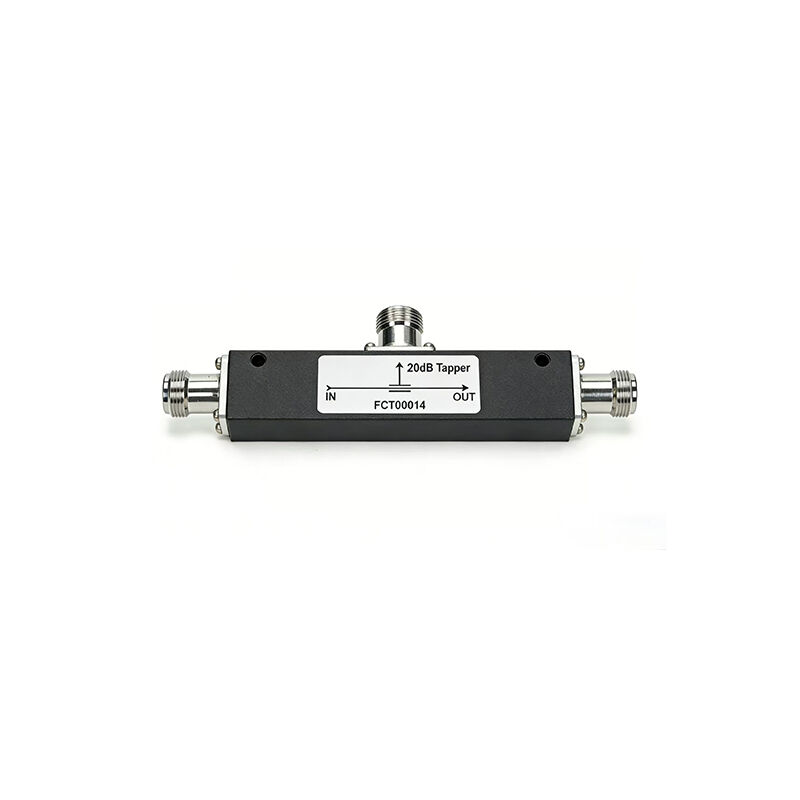
A power divider is an essential tool to divide /share the signals in electronic systems. Think of it as a traffic cop directing cars at a busy intersection. It carries out its work not with cars, but with electronic signals. When a signal arrives, the power divider sends it out in multiple directions or outputs. This can be a very useful thing in most cases, such when you need to send one signal to multiple devices without losing strength or quality. At Jindasignal, we offer power dividers that are recognized for their quality and reliability and help to ensure various systems work better together with minimum issues.
A power divider is a device that takes an input signal and divides it into two or more output signals. It keeps the original signal nice and outspread. Think of a birthday cake that’s cut into enough pieces to give each person at the party one. It’s the same thing that a power divider does with signals. By siphoning off a single powerful signal and spreading it out, you can bring the same information to many devices. This is crucial in places such as communications systems, where you are liable to need to send the same message to several locations all at once.
It is a bit overwhelming when trying to find the best power divider, but there are ways of making it easier. A power divider is a device that divides a signal into several identical signals. This is particularly advantageous in radio frequency (RF) applications. It allows you to send the same signal to multiple places. If you would like to purchase one, here are some pointers to help you choose right. First of all, consider how many outputs you require. Some power dividers have two outputs, whereas others can provide four or even more. Should you simply need to send one signal to two devices, a two-way power divider will serve your needs well. If you want to send a signal to four devices at one time, then you’ll need a 4-way splitter.
Up next is the range of frequency. The frequency range is the number of times that the power divider can operate efficiently. And also, remember to see if the frequency range of the power divider is the same as your signals! If, for example, the best frequency for your equipment to operate is 1 GHz, you’ll need a power divider that’s good at that frequency. Next up is the power. This is the amount of power that the divider can handle. If the power unit rating is too low for your machine, it won’t work well. You don’t want to fry a power divider.Eventually get bigger divided power dividers for more output.
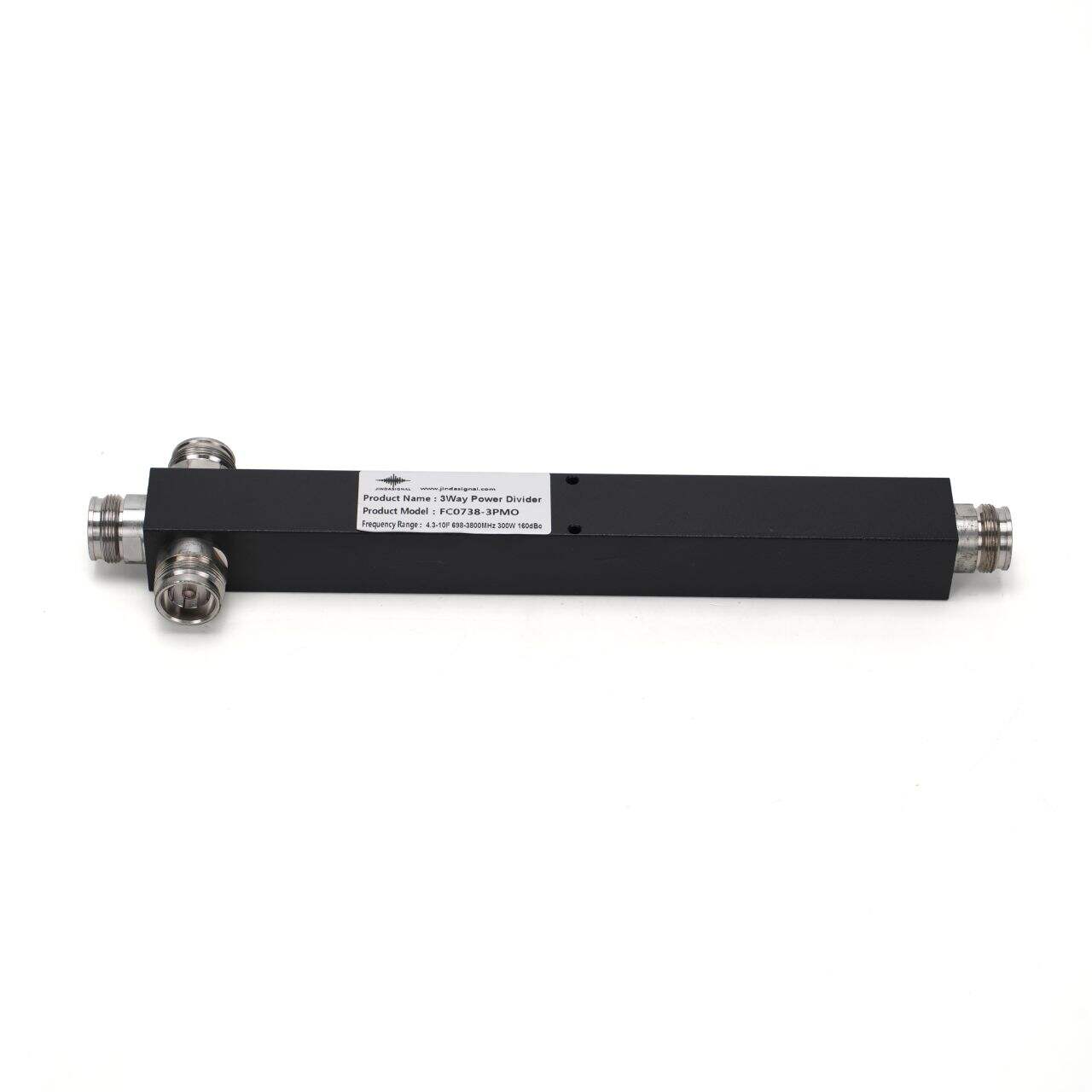
There are a couple of ways that power dividers aid in this, one of which is evening out the signals. For even signals it ensures that each output receives an equal share of the power. This is crucial so that all devices have a strong signal. Distorted or noisy signal can introduce complications that interfere with the operation of your gadgets. Furthermore, superior power dividers have the ability to reject unwanted signals or noise from entering into a system. They receive signals with embedded capabilities to cancel out any interference, so only desired signals can be decoded. This is important in applications such as communications where the signals need to be pure.
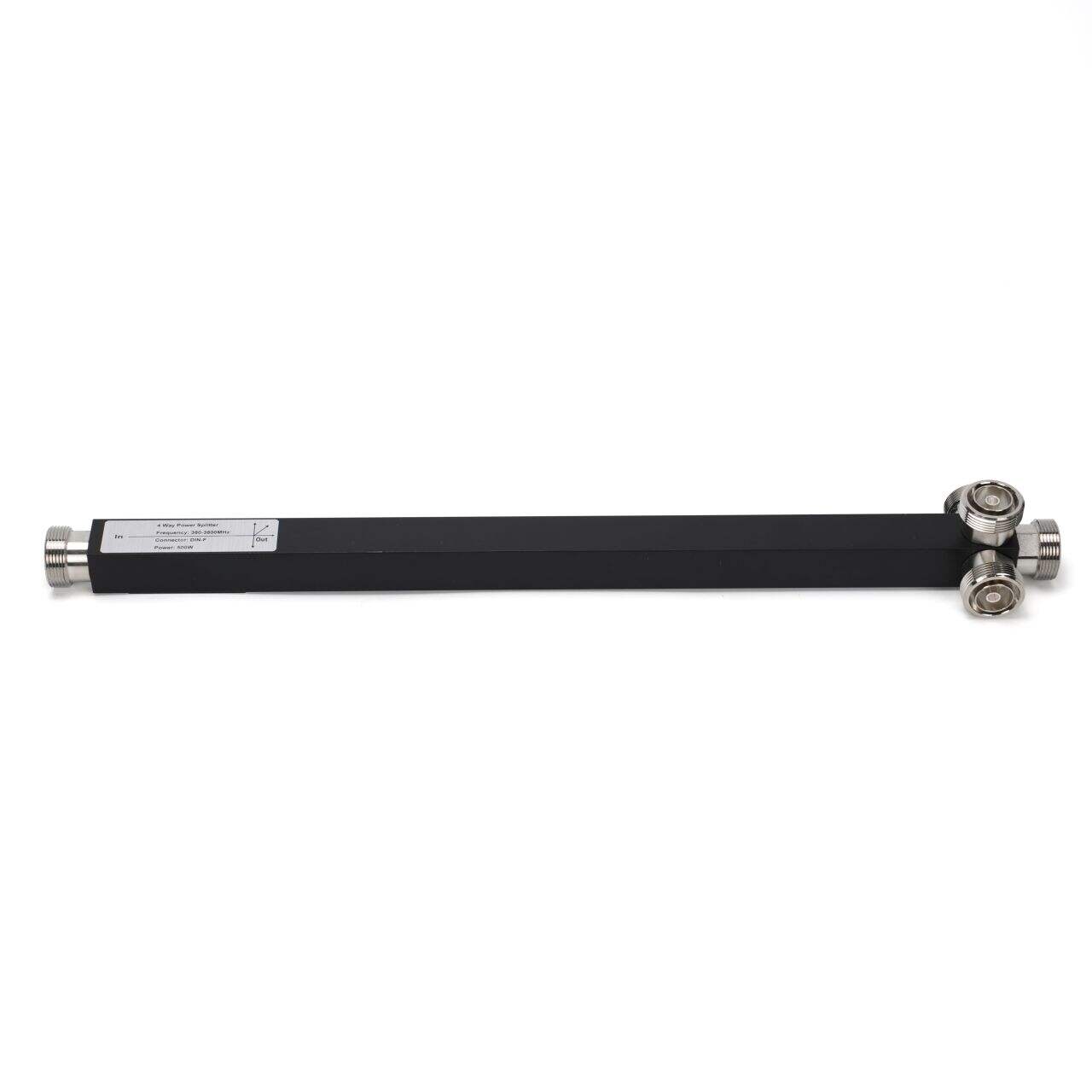
Also, you get stable power splitting , without the need to second guess your decision or wonder if the readings will be off from multiple outlets. And if you’re simultaneously sending signals to antennas or receivers, a good power divider will do that without diminishing the signal. It works like a traffic cop, directing traffic in a coherent manner. It allows all devices to perform smoothly and communicate successfully. You can rely on signals to be retained when sent through Jindasignal power dividers, allowing your RF systems to perform the job they were intended for.
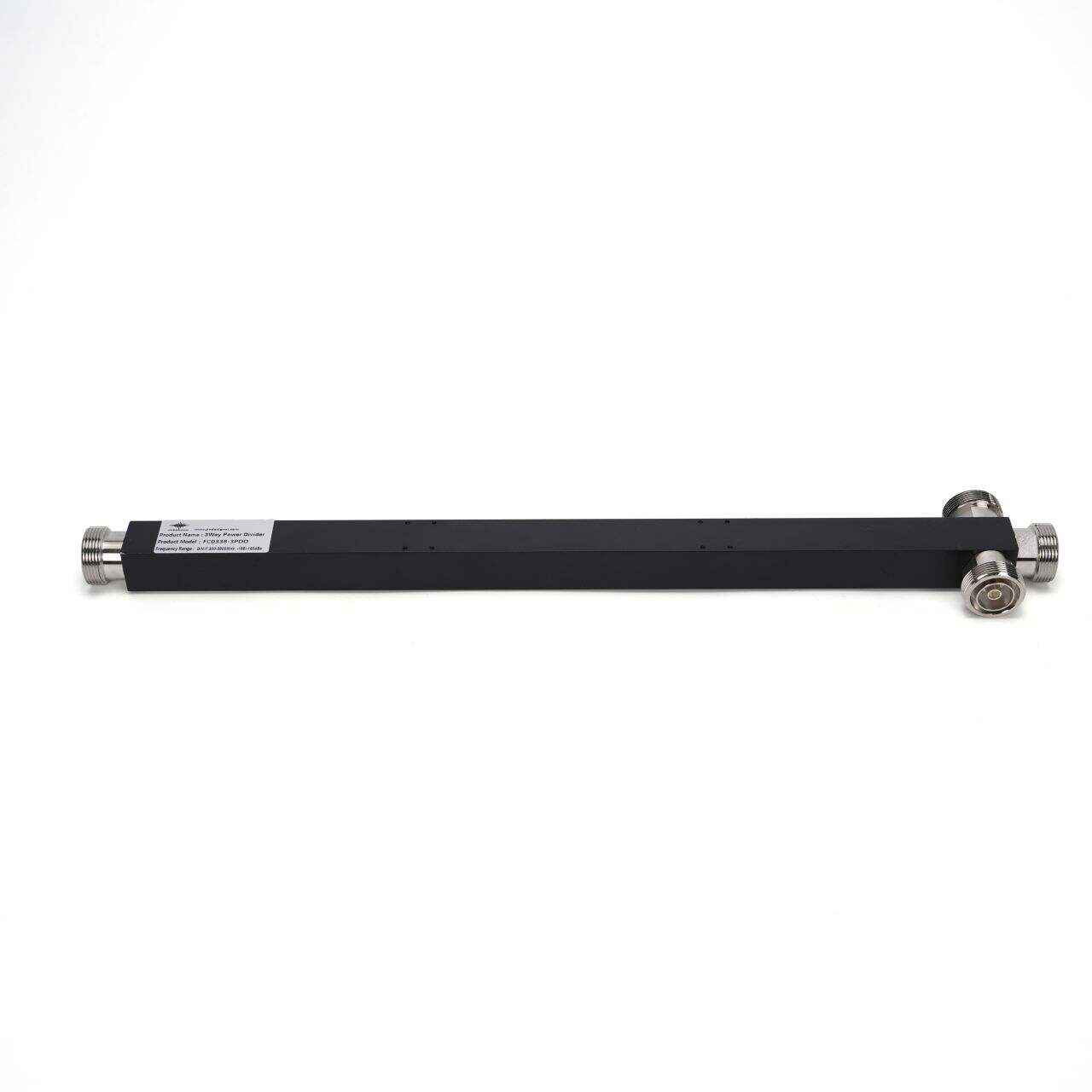
If you’re in the market for power dividers wholesale, the following are a few of the top features to look for: Characteristics To Look For In Power Dividers Wholesalers Reliability- As with all telecom products that you purchase, you want your power dividers to be reliable. First, consider the construction material. A quality power divider is typically constructed out of durable materials, which are heat and wear-resistant. That means they hold up longer and perform better over time. Also look for power dividers that come with metal enclosures — they usually offer better protection from noise. Good materials also ensure that the signal stays stable enough with good performance which is actually what you want.

Copyright © Shenzhen Jindasignal Technology Co., Ltd. All Rights Reserved.
 EN
EN