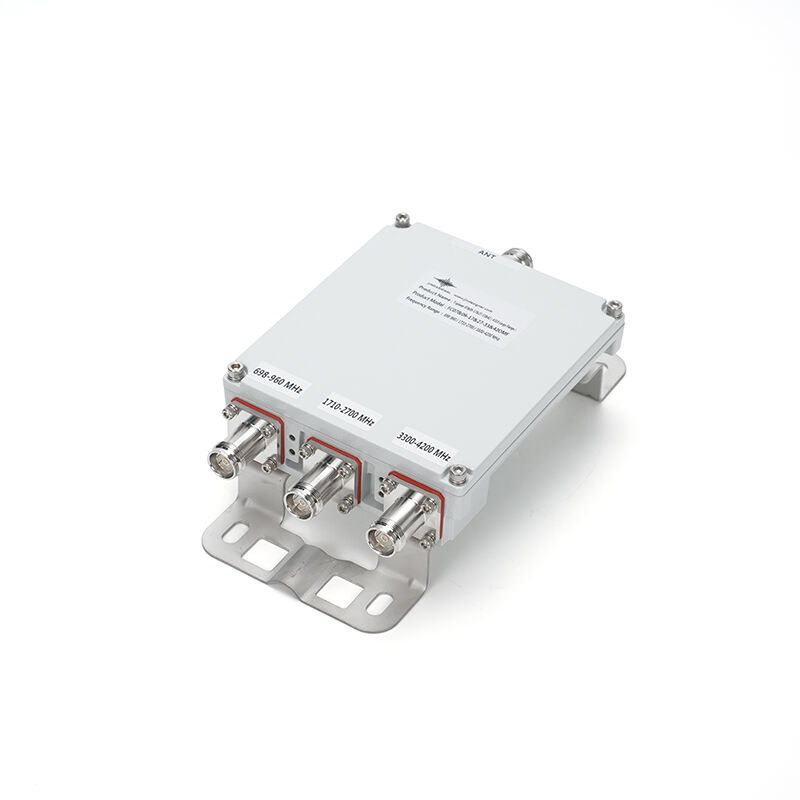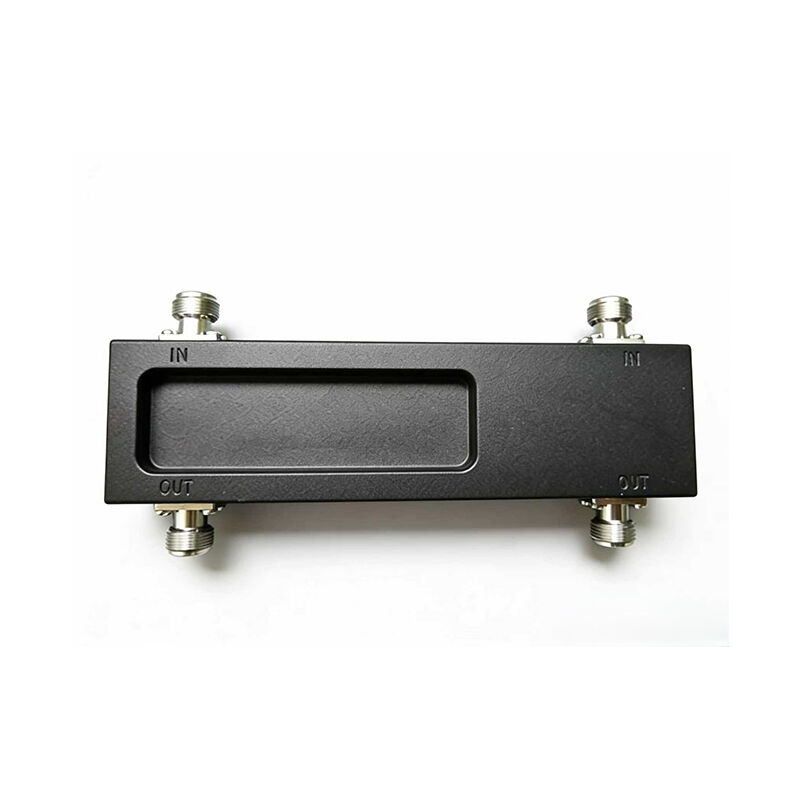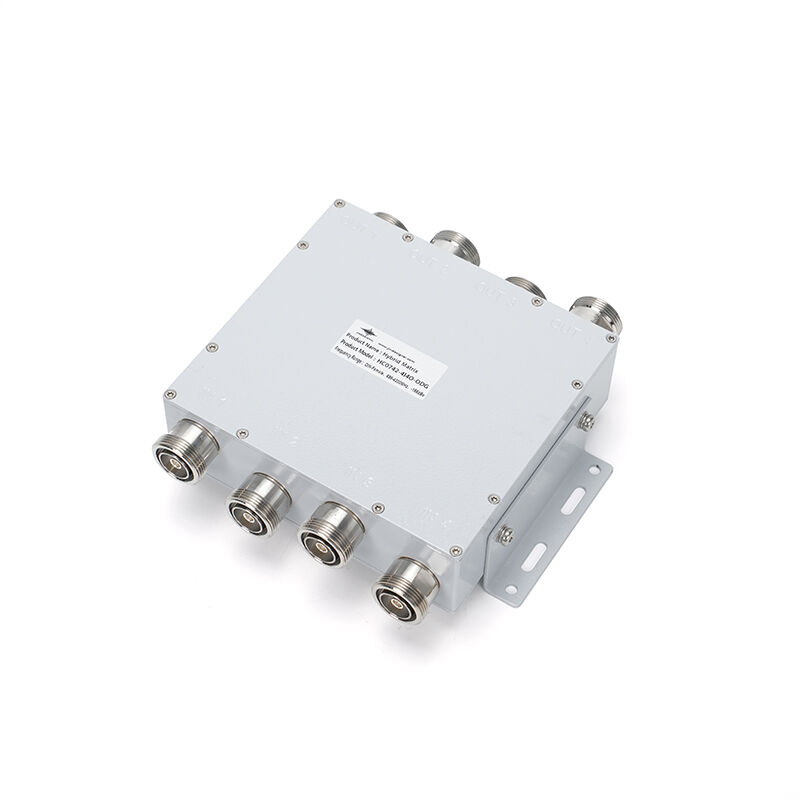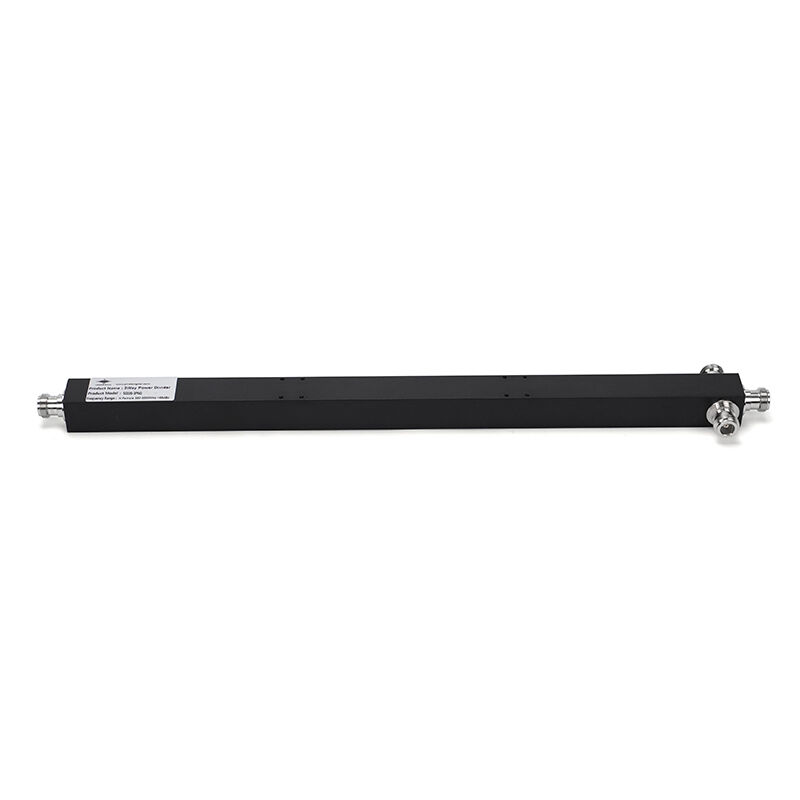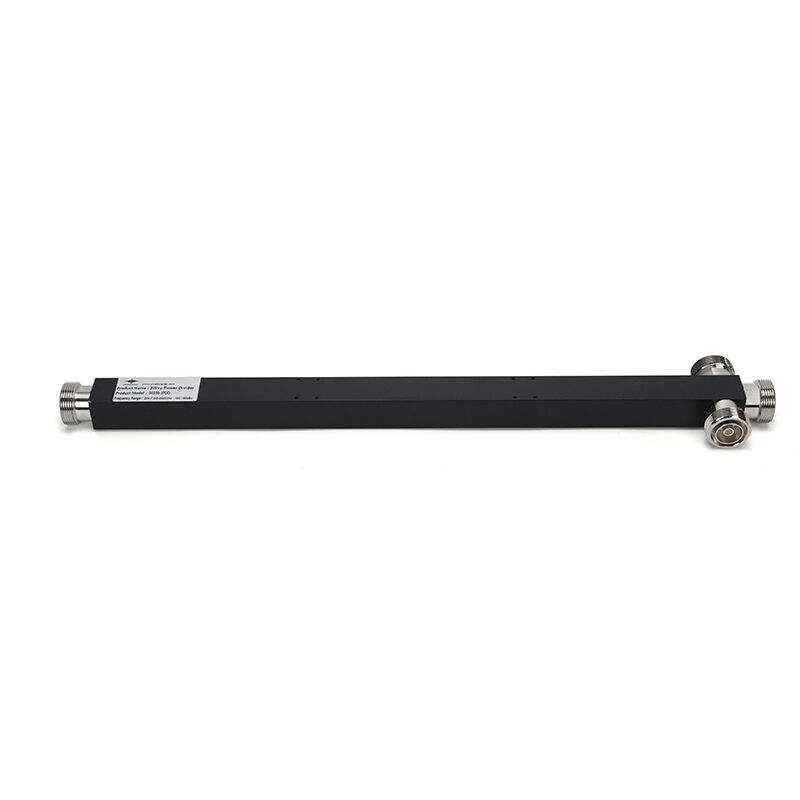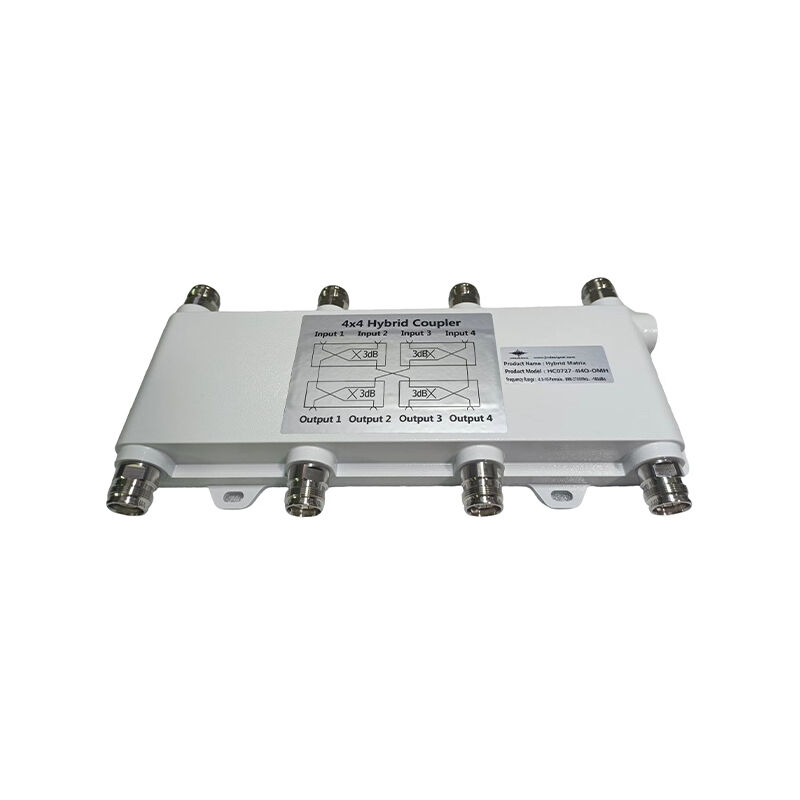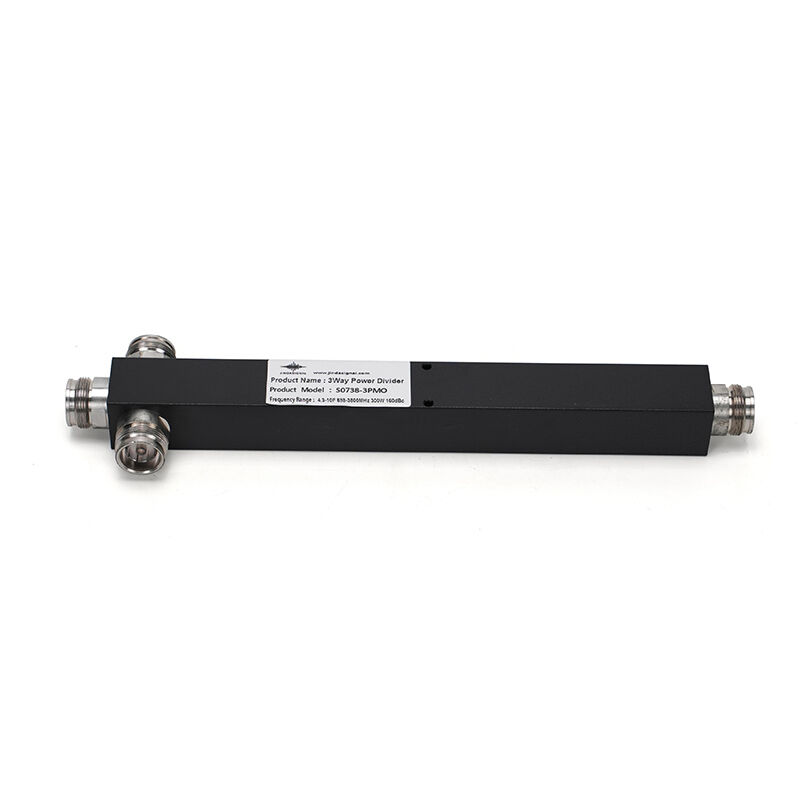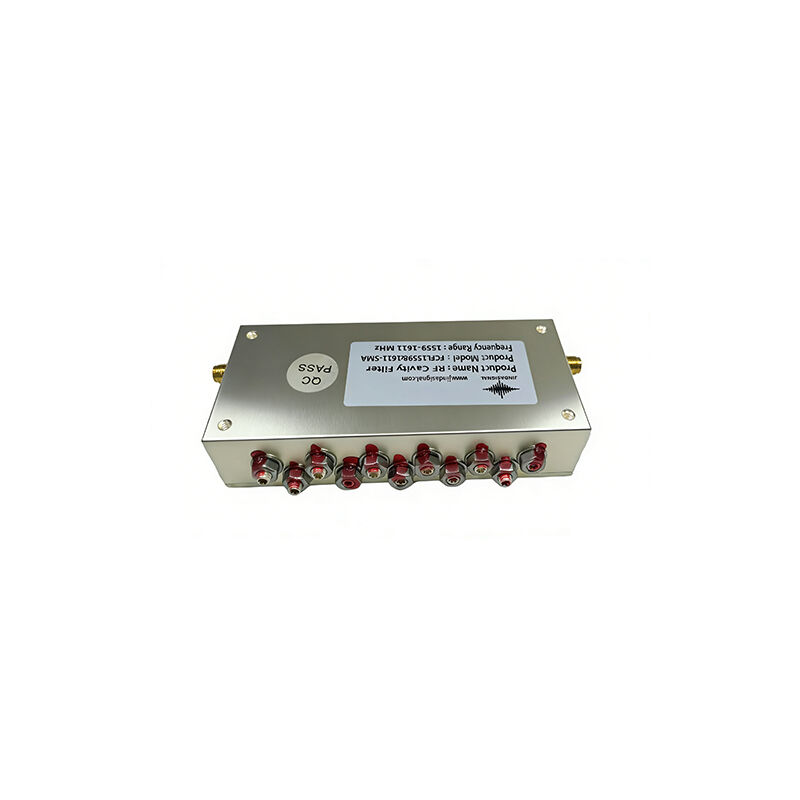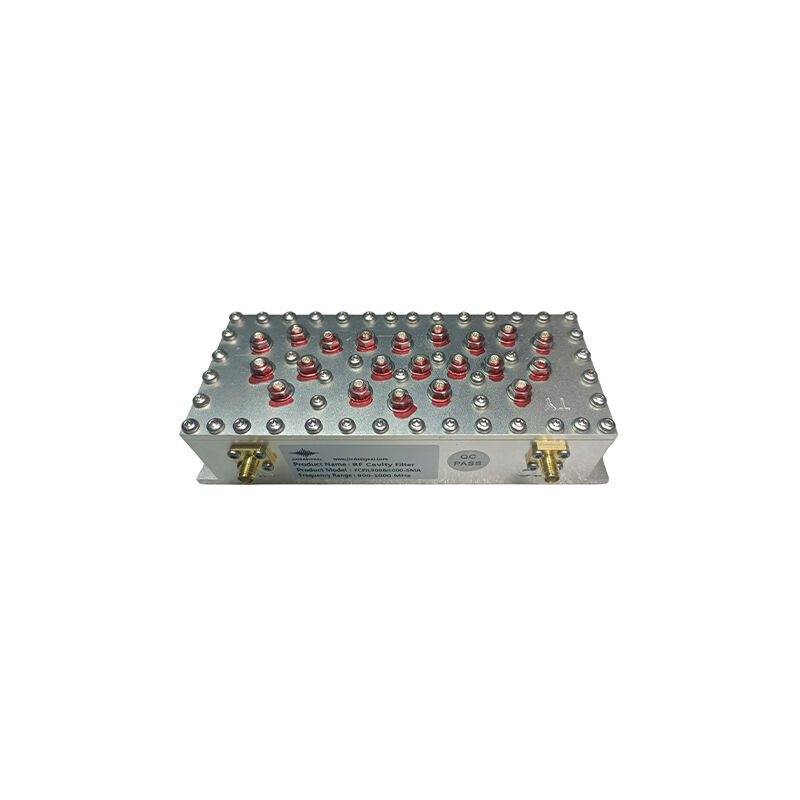
It can be confusing which RF splitter combiner to choose, but there are some important details that can make all the difference. Decide how many outputs you require. If you only plan to plug in two devices at most, you don’t need a fancy splitter. But if you need to make more connections, then you will have to use a model that supports multiple outputs without loss of signal. Then, pay attention to its frequency response. Some splitters are well suited to particular frequencies for instance, television or radio frequencies and others can handle a wider range. Ensure that a combiner/splitter has the frequency rating to properly handle the signals you are directing through it. Also, check the power rating. It is essential that the splitter can accommodate your signal power. If you use a splitter that isn’t equipped to handle the power, you’ll possibly lose quality or even fry your device. Build quality is also something to consider. A properly-built passive rf splitter combiner will perform better and last longer. Seek out ones that are sturdy and are well reviewed by other people. In some cases, the price can be higher, but if better performance and durability are important to you then it’s often worth it. Finally, when deciding on what to buy, don’t underestimate the trustworthiness of a good brand such as Jindasignal. They come with a variety of options so there should be one that fits your bill without sacrificing signal quality.
If you need high performing RF splitter combiners at affordable price points, there are some options worth considering. The best source is direct from the manufacturer like Jindasignal. You can usually find better deals, because you are purchasing directly from the source. This may also give you access to a wider range of products and specs that suit your needs. You can also do this by going to factory equipment fairs or shows. Many events offer an array of diverse products from a variety of manufacturers, which makes price and quality comparisons easy. And often, you can receive unique trade show discounts! Online marketplaces are another fine strategy. Wholesale prices are available in electronic components shops, which may vary depending on where you live. When you are shopping online, comparison shop in order to get the best deals. If you’re buying in large quantities, many businesses are also willing to provide discounts. Don't hesitate to ask! Establishing a relationship with suppliers also may result in better pricing and deals over time. One area to which you might turn, especially if tech isn’t your thing and you’re tired of wading through 5-star reviews with little down-to-earth analysis, is a source you trust — like Jindasignal. Share Remember, you get what you pay for and will benefit from quality splitters / combiners now in the future by having better all round signal performance.
If you're shopping for a trustworthy RF splitter combiner, here are a few key things to keep in mind while comparing different products. First, we need to know what an RF splitter combiner does. It can take one signal and split it into many, or combine several signals into one. This is helpful in a variety of scenarios - installing a TV or antenna for example. One of the crucial factors to consider is the material with which splitter combiner be made of. A good one would have to be made of a strong material that is able to conduct electricity effectively. Jindasignal items are manufactured with good quality materials to make sure that they work well and have a long service life. And you know what, the design is key. The better the RF power splitters combiner is designed, the less signal loss you will feel, that is: when pointing multiple signals out of an one output port they will be as powerful and clear as when they entered through one of its input ports.
Using an RF splitter combiner in your application brings a number of benefits. One key benefit is that multiple devices can work in tandem using the same signal. For instance, if you have several TVs across your home, you may prefer to connect them all to a single antenna. An RF splitter combiner can be used to transmit the signal from one antenna to multiple TVs. That means you can watch your favorite shows in any room and not hog a TV with an ugly antenna above it, while saving yourself money on additional antennas.
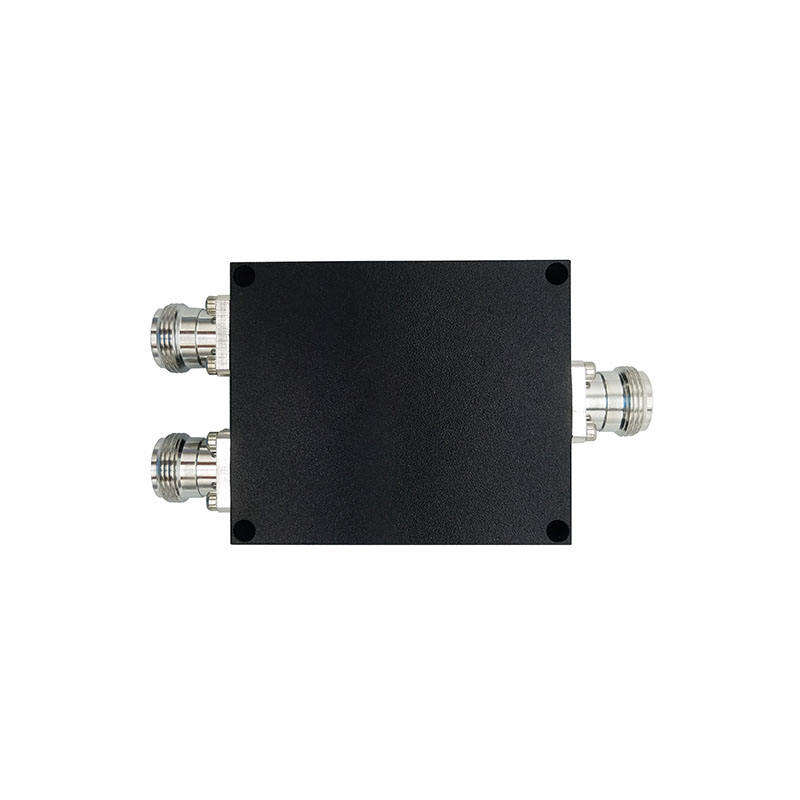
The additional advantage is the signal quality enhancement. Decent power splitter combiner, such as those provided by Jindasignal have been designed to attenuate degradation in the quality of the signal. This means you receive clear pictures and crisp sounds. Whether you're watching movies, listening to your favorite radio programs or playing games, this all makes sure that the sound doesn't drop off or weaken through the floor and walls. The signals are going to be strong and stable, which is great because that means you can get a lot of enjoyment out of your music.
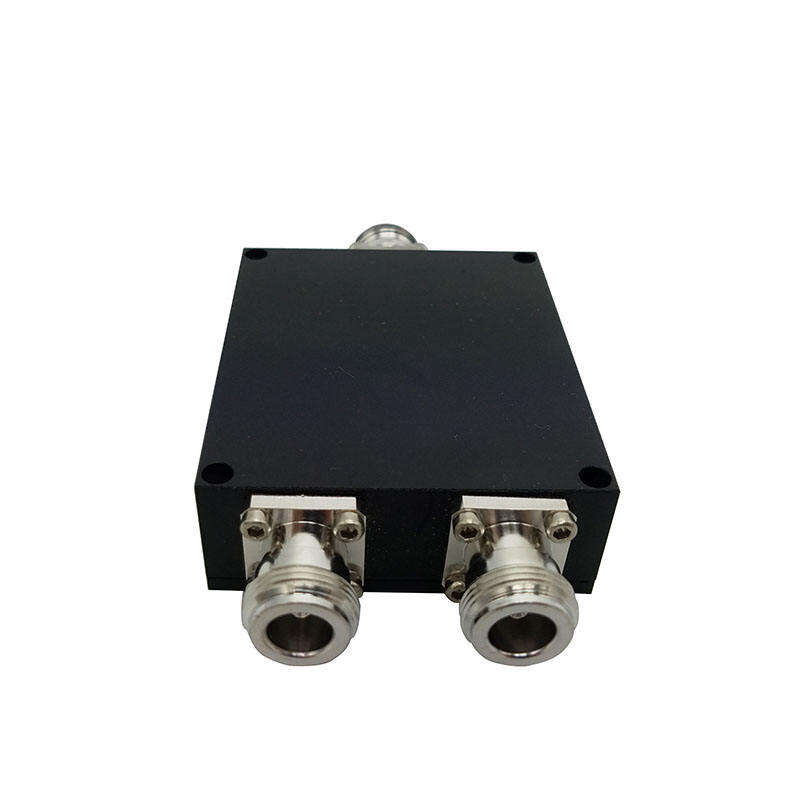
Furthermore, RF splitter combiners also result in a more structured setup. Rather than cables running all over the place for every device, you can take all your signals to one combiner. Not only will this help keep you space tidy, it also makes troubleshooting easier. If something does go wrong, it will be easy to figure out where the error occurred. It will save you time—and money in the long run by preventing that frustrating tangled mess of wires and jumbled connections. At the end of the day, RF splitter combiners will take your setup's efficiency to new levels where everything else that’s supposed to work together simply works with less headaches.
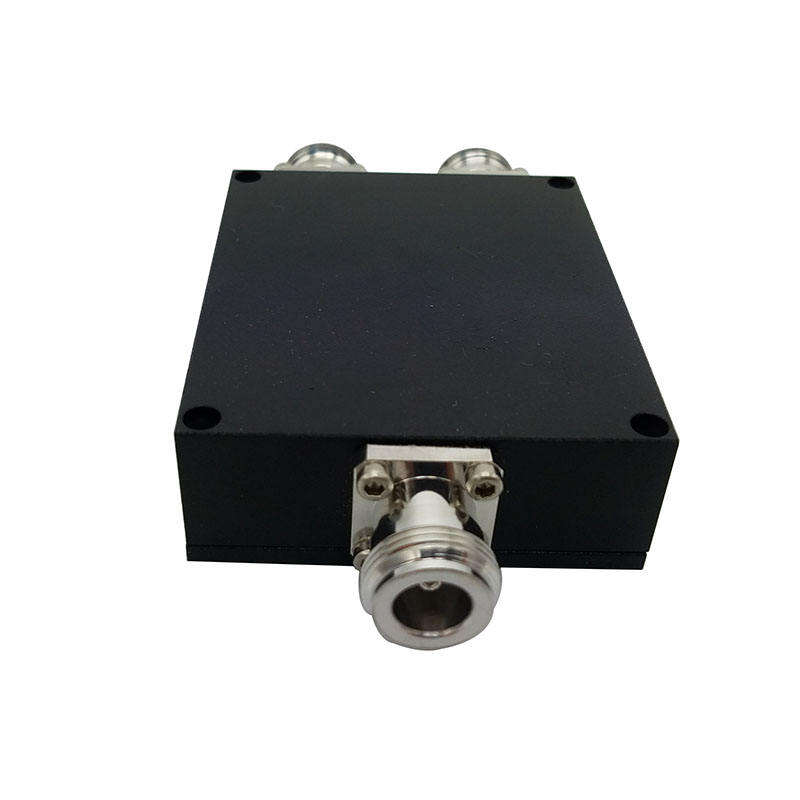
For excellent ongoing performance, it is important to be sure that an RF Splitter Combiner is installed properly. First thing we have to do is location of the combiner. It must be easy to access, yet shielded from rapid temperature fluctuations and moisture. When it is time to install, also be sure that you have all of the equipment you will use to connect to the combiner powered off. Begin from the directions provided with your Jindasignal RF splitter combiner. These guidelines are usually straightforward. You will generally see the ports labelled for input of signal and output to your devices. If you can hook everything up correctly, you’ll have the signals running right.

Copyright © Shenzhen Jindasignal Technology Co., Ltd. All Rights Reserved.
 EN
EN