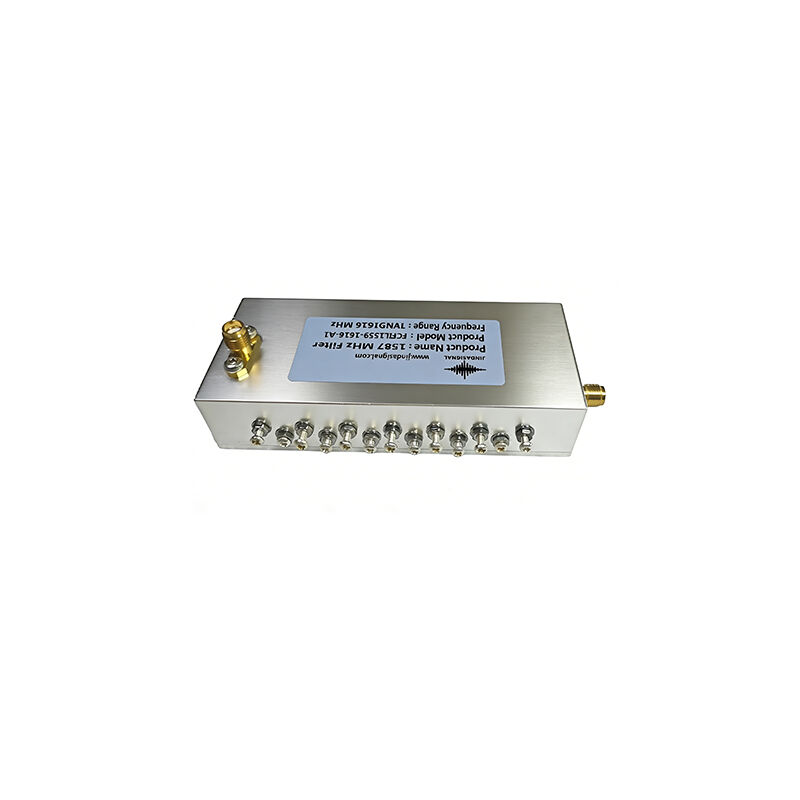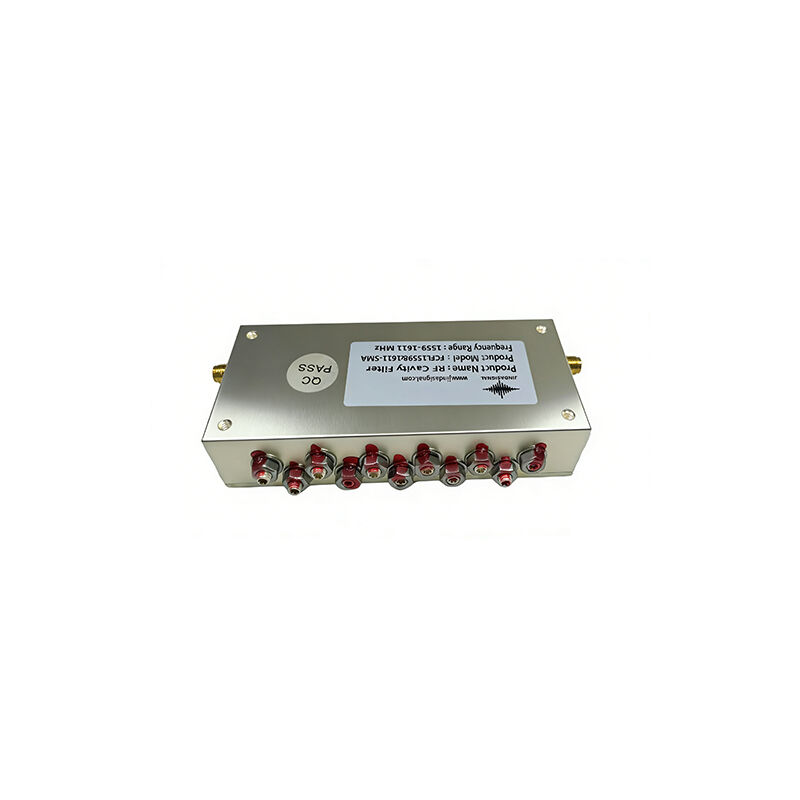
SMA RF attenuator The SMA is a special device in the RF applications. Such devices are used to weaken a signal without distorting it. This is crucial in many domains such as telecommunications and broadcasting. For instance, a signal that is too strong can result in sound distortion or even equipment damage. These provide a handy means of reducing signal levels, and the models described here are suitable for HF through to microwave frequencies. Knowing how to select the best one and where to find them will help make your projects successful.
Choosing the perfect SMA RF attenuator for your project may be a challenge, but it doesn’t have to be! First of all, you need to decide how much signal you want to attenuate. SMA RF attenuators are in different designs, such as 3 db ones, 6 dBs or 10 DBs. Each value is a measure of how much signal strength should be reduced. For instance, with a coaxial attenuator, the signal strength will be reduced to one tenth of its original value. So, if you have a signal that’s too strong, go to a higher number. Then consider the range you will be operating in. Some attenuators are better than others at specific frequencies. Our company has products in almost all frequency bands, so you can find what you want.
The connectors are something to also take into consideration. The majority of SMA attenuators will include SMA connectors, however you should verify these connect well with your equipment. Does the attenuator have to be rugged? Others have materials capable of withstanding harsh environments. If you’re going to carry it outside or in a questionable environment, look for something that’s a little more substantial. When buying, consider a reputable supplier. Our company is a reliable brand that brings you multiple choices for different purposes. The best choice frequently depends on the project at hand, be it a straightforward home radio rig or heavy-duty professional equipment. Finally, also consider price, quality and customer service when you make your decision. You’re looking for things that last — and companies that will be there when you have a question.
High quality SMA RF attenuators can be easy to find if you know where to look at wholesale prices. Begin with reputable sources, like Jindasignal. They tend to have good products, and they often offer bulk discounts. You might save some money if you buy in bulk. You may also want to visit their crazy website for any special deals or the latest sales.
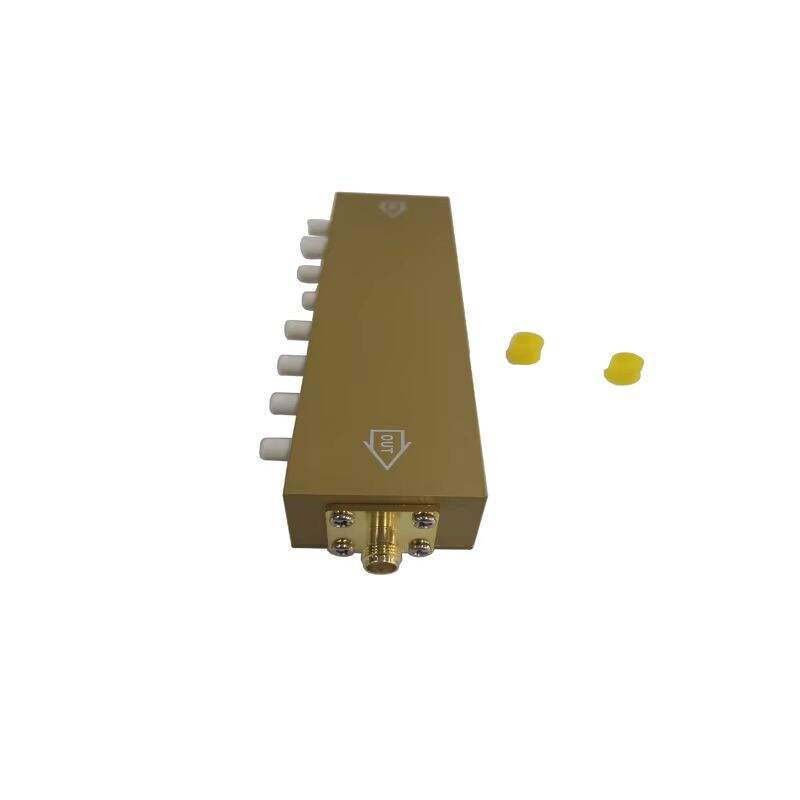
There are many choices available on online marketplaces, as well. But you need to read up on the reviews and know what quality this stuff is before buying. Search around for some direct feedback on the SMA RF attenuators. You will occasionally squeeze a good deal, but it won’t necessarily measure up to what you actually need. It is important to compare prices between sites but don’t hurry. Price vs Quality Finding the balance between quality and price is essential. You may want to search for trade shows or industry expos. That can be a good way to meet manufacturers like Jindasignal. You can see products up close and personal, and there might be deals you won’t find online. Speaking to suppliers puts you in a position where questions can be asked and doubts can be cleared out before you even make a choice. Keep an eye out for local electronics shops as well. Some have dedicated staff who can help you choose the appropriate coax cable attenuator for your requirements. Make sure to keep checking in, as they may add new stock or prices could change. The decision of where to buy makes a huge difference in your projects so spend some time and research your options.
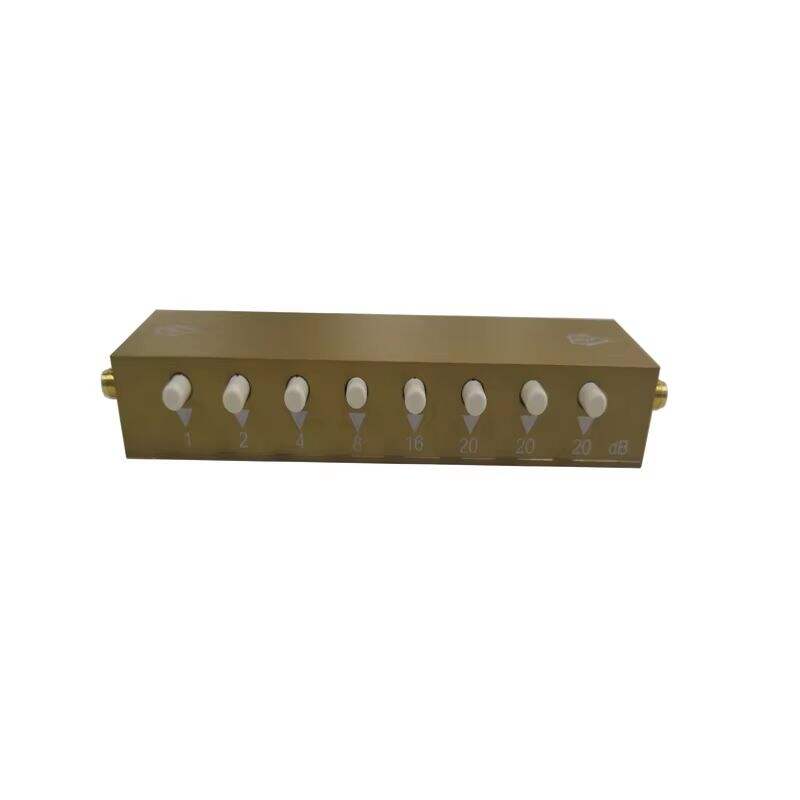
Special types of components known as SMA RF attenuators assist in managing signals within a radio frequency system. They weaken, or attenuateʼ’2 signals, and this can be crucial for various reasons. One of the major components which affect the performance of these attenuators is the frequency in which they are used. Various frequencies may respond in varied fashion with the attenuator material. The frequency might be too high or too low for the attenuator to work well. It is important to place the frequency of the attenuator with respect to the frequency at which signals are being used. The temperature is also a significant parameter. The performance of the SMA RF attenuator can vary when it is too hot or cold. High temperatures could expand the materials inside, potentially altering how well it functions. Likewise, if the materials are subjected to really cold temperatures they may contract once again influencing performance. Connectors also matter in terms of quality. SMA ports are referenced on the attenuator, and if they do not match up just right, signal loss can occur. So, high-quality connectors must be guaranteed. Finally, even the design of itself attenuator matters. Certain designs are engineered for greater efficiency and higher power-handling capabilities. Selecting the best design will enhance performance and ensure the attenuator performs well in its own environment. At Jindasignal, we specialize in producing the types of SMA RF attenuators that take all these factors into account so they work as effectively across multiple scenarios.
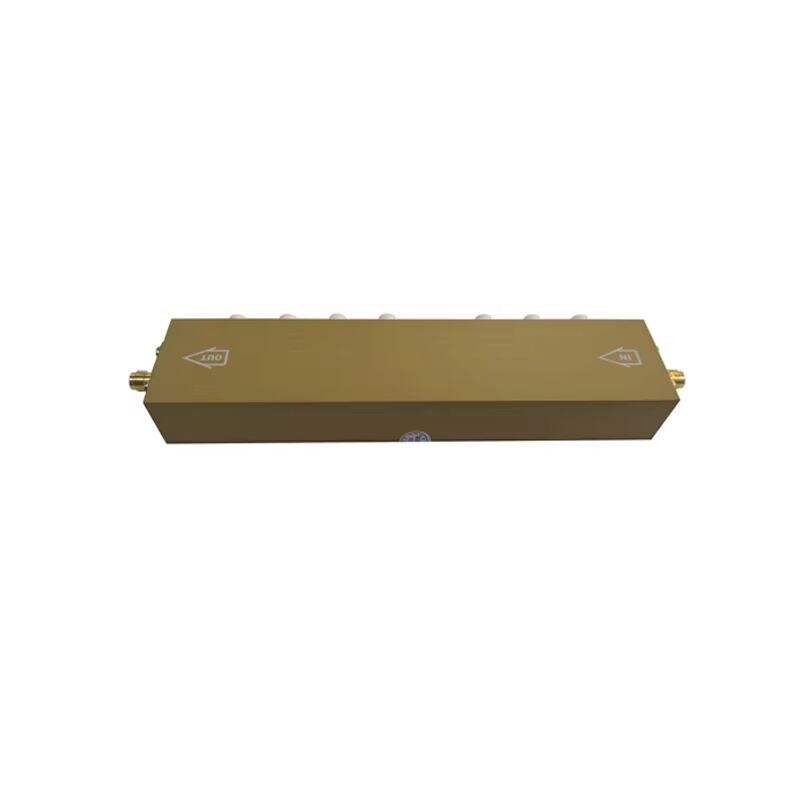
SMA RF attenuators don’t work perfectly all the time, and that can be bad news for your instruments. To fix things quickly, you should be able to troubleshoot these issues. There are several issues that could be present in such a scenario; one common is loss of signal or low levels. This might occur if there is a loose connection. First, look for the connectors to see that they are firmly seated. If they're loose, you’ll want to snug them up gently to make a good connection. Another issue can be overheating. If the attenuator overheats, it may fail in normal operation. Be sure the attenuator is in a space with good ventilation, so that it may cool off. If the indication on it reads too hot way too often, you may have to switch to a higher heat capacity model or cut back on the input power. And if you hear abnormal sounds or feel vibrations, shaking the connections can help reseat loose parts. If problems still persist, I’d suggest trying out the Coaxial Attenuator using some other devices to check whether it is working or not. If you determine it works well with unrelated gear, the problem might be in the other unit rather than the attenuator. We advise the users of our product to please refer to the user manual for the most common problems and their solutions, it can be very helpful.

Copyright © Shenzhen Jindasignal Technology Co., Ltd. All Rights Reserved.
 EN
EN