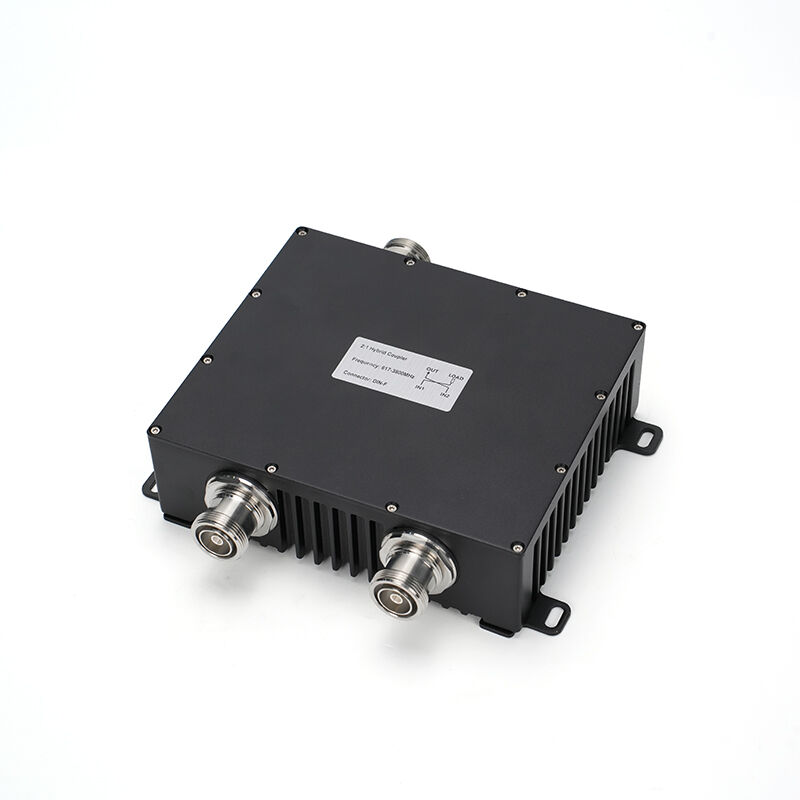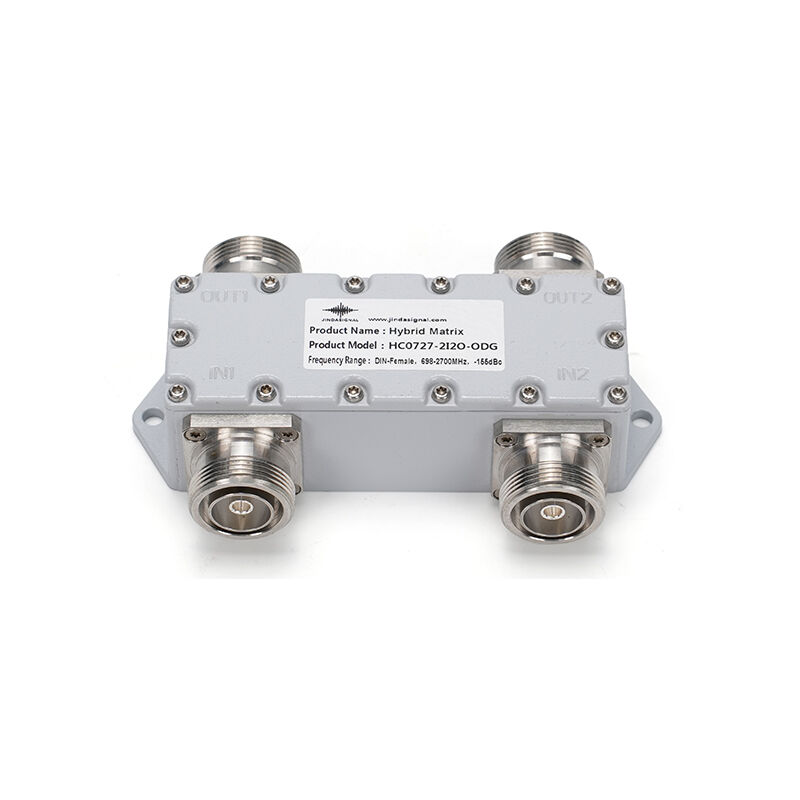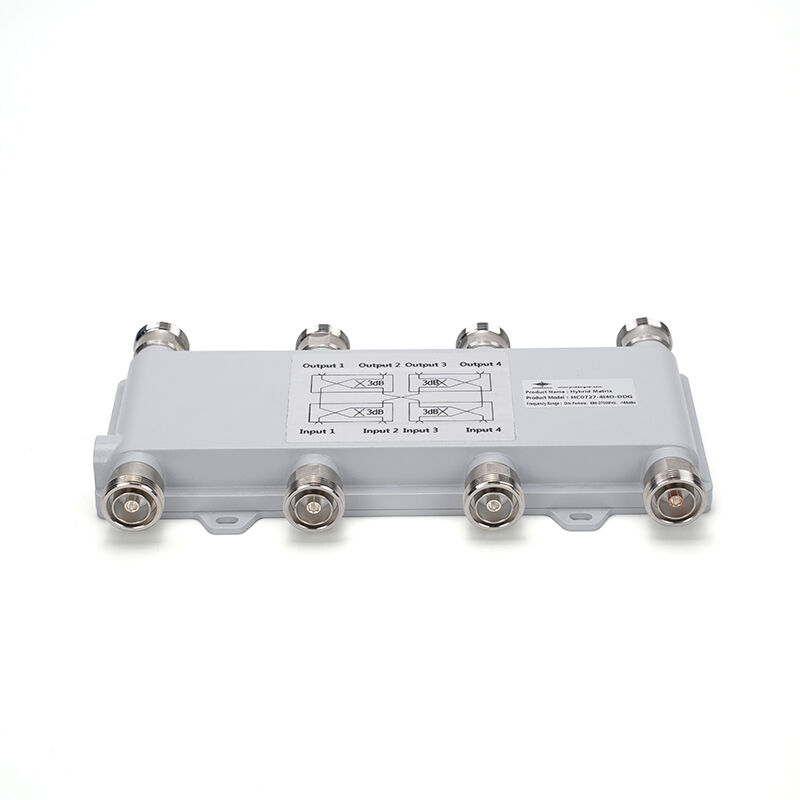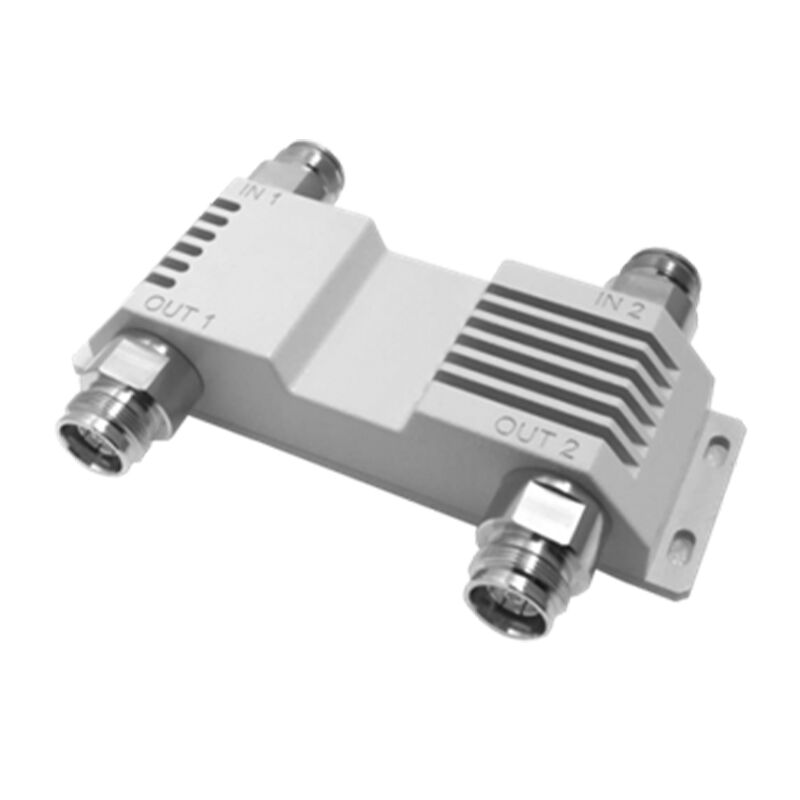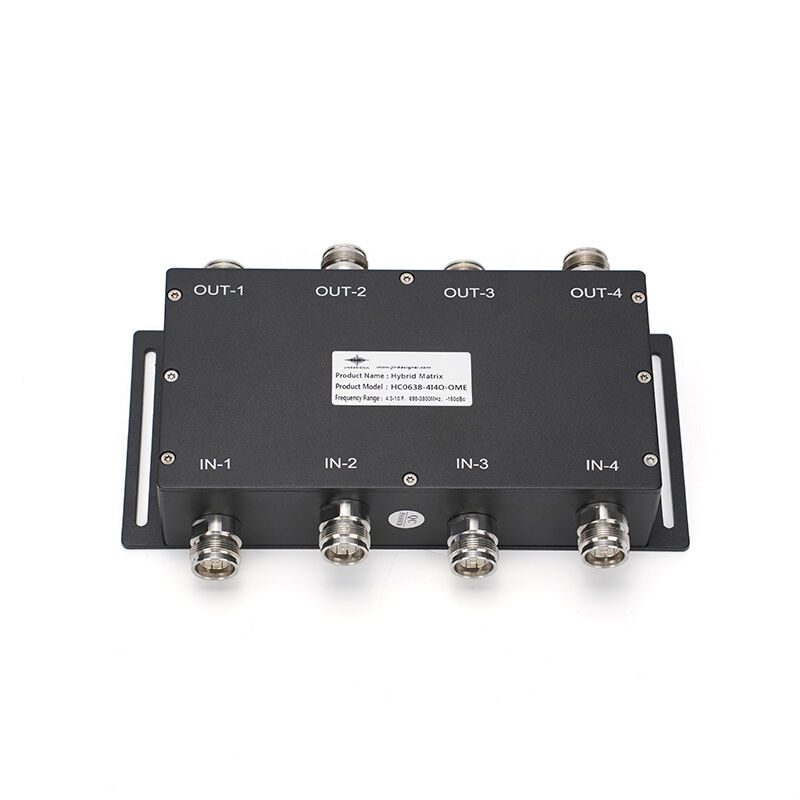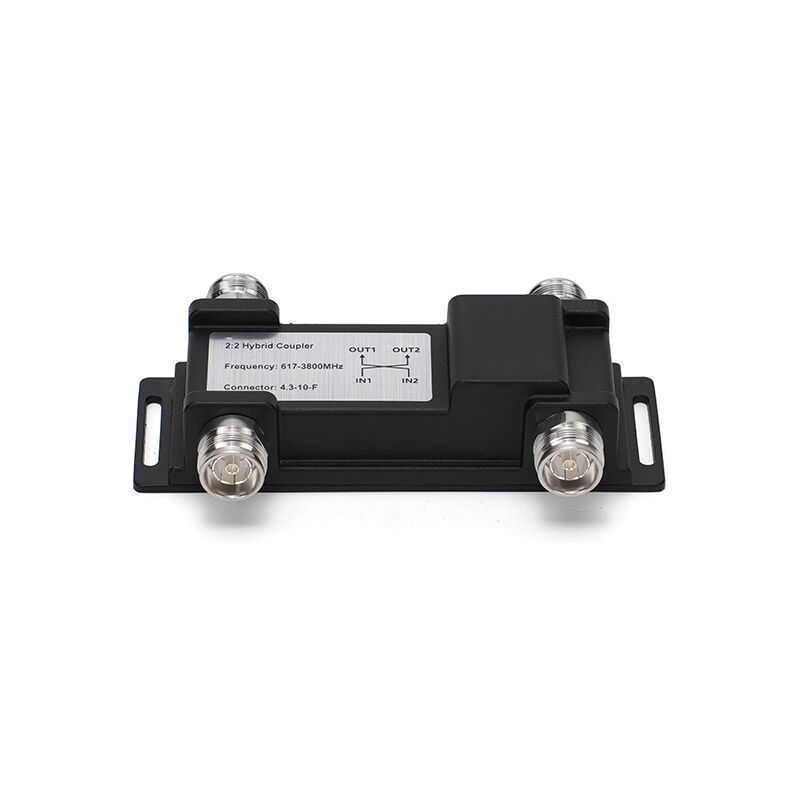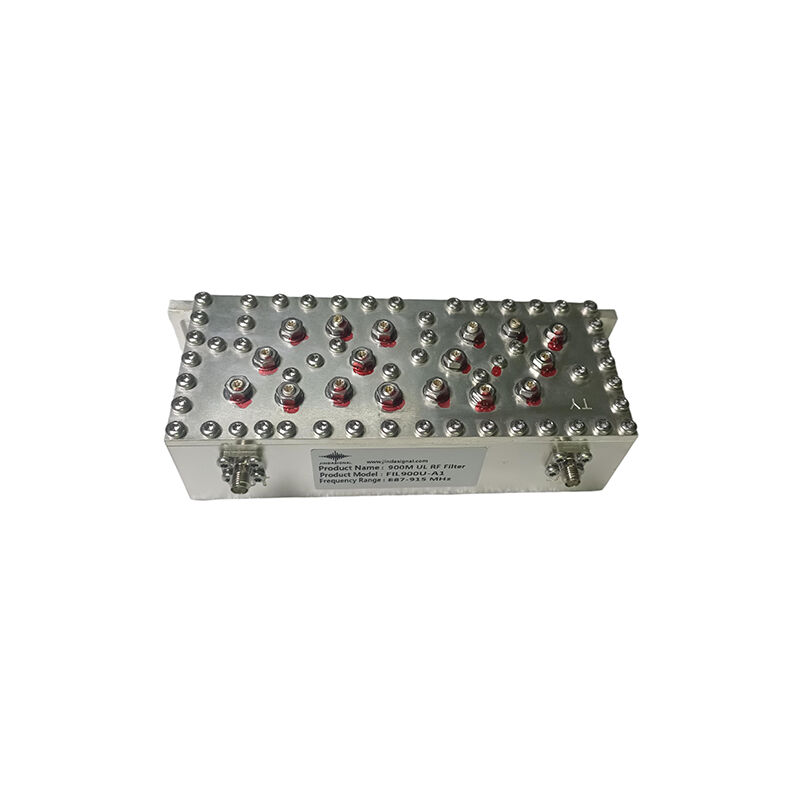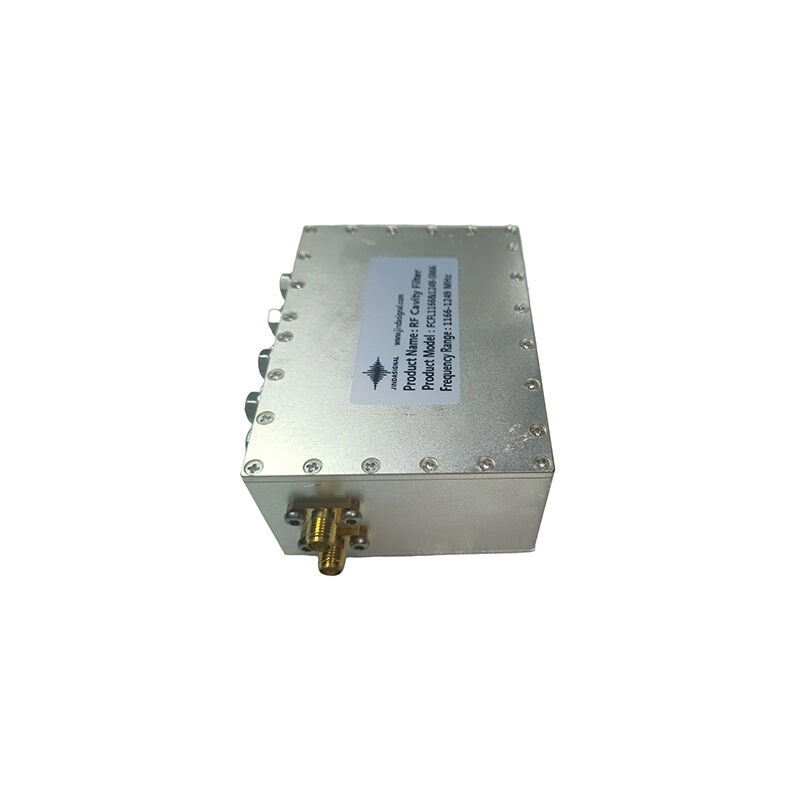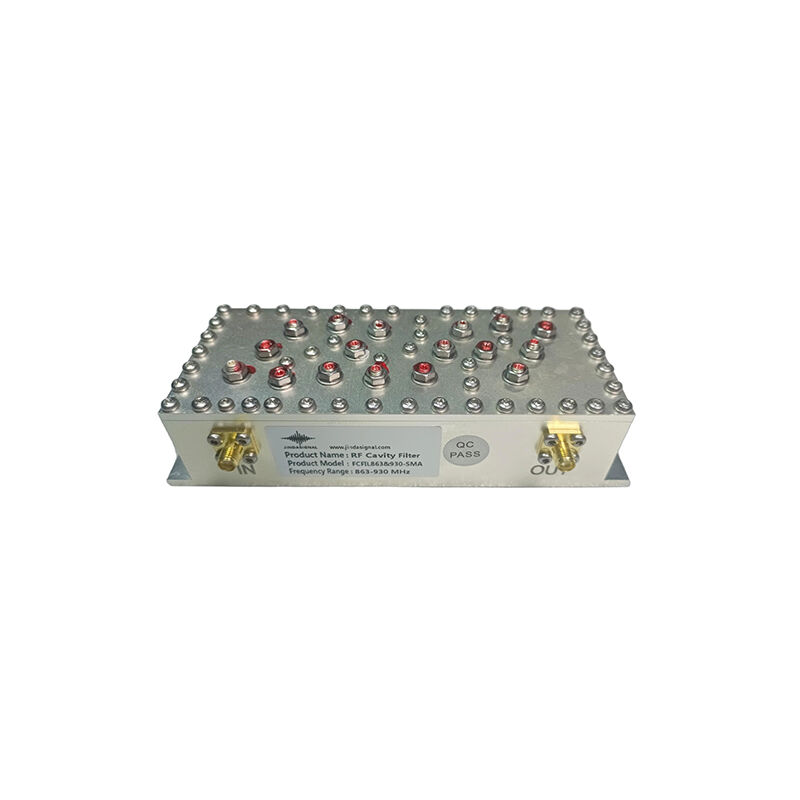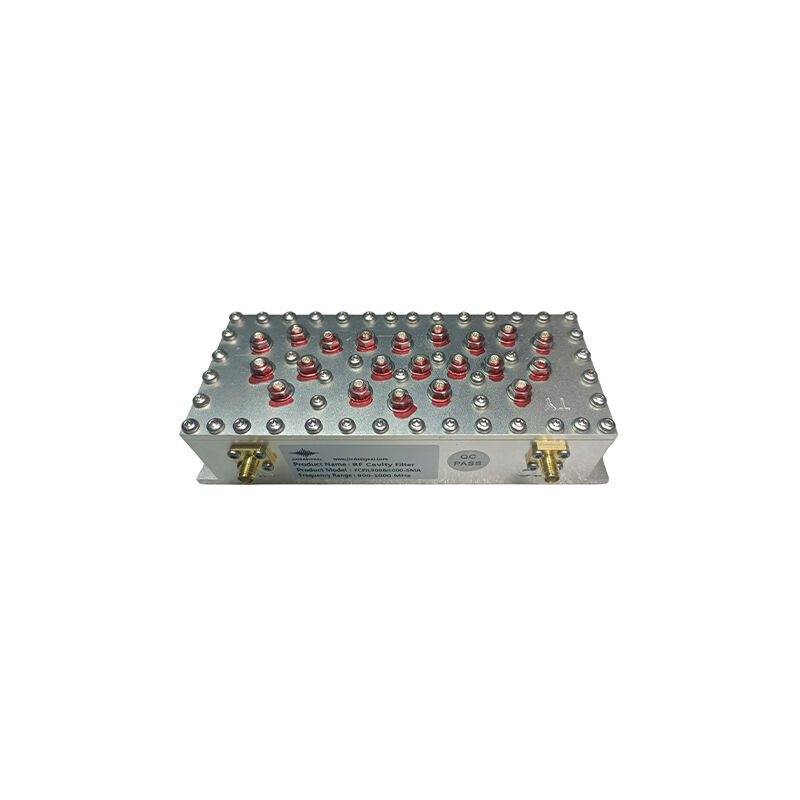
Firms like Jindasignal have been developing such mobile-based instruments, namely devices designed to boost hybrid coupler 180 degree communications networks.
Choosing the correct passive attenuator is very similar to selecting a tool for doing work. You need to ask yourself what kind of signal you are processing and how much of it you want to remove. At Jindasignal, we realize the networks are never the same. Which is why you would, presumably, first want to find out what kind of signals were being output. For instance, if you are dealing with fiber optics, you will not want to pick the same attenuator as if you are working with wireless signal.
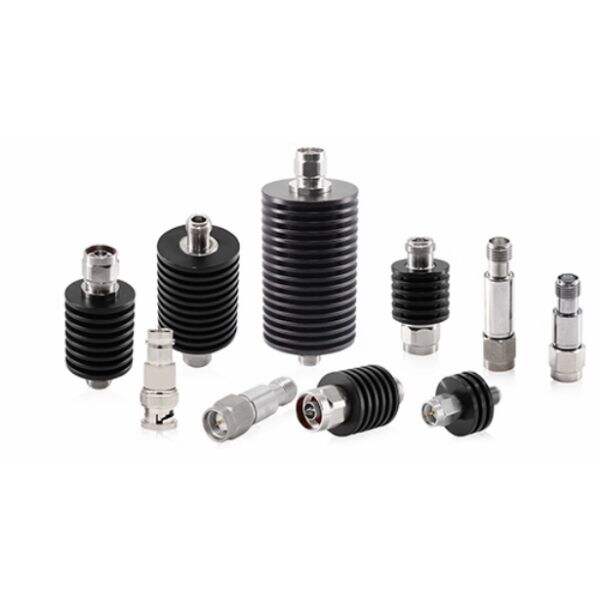
When using passive Jindasignal attenuators in your audio or video rig, you may encounter a few common issues. In video configurations, the picture may appear slightly out of focus or darker. Another one is that passive coupled line hybrid coupler attenuators have no electronics in them.
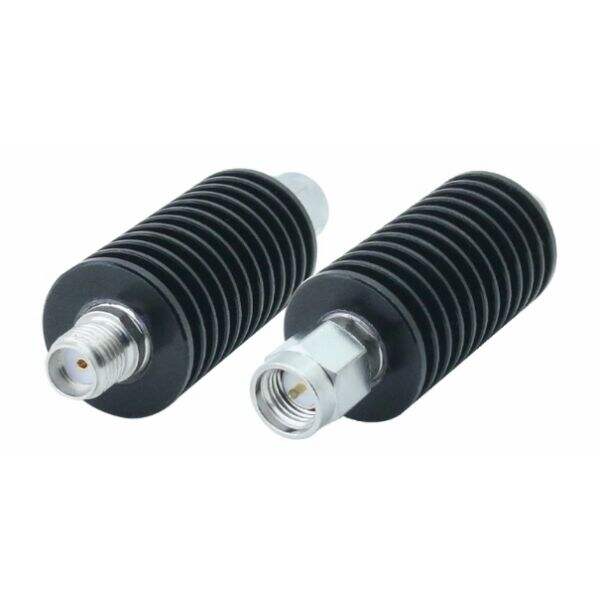
Also, in many Jindasignal cases they aid in preventing signal distortion. There are ways in which distortion can make things sound bad, or in the case of video, look bad. If you use a passive attenuator it gives you a much more gradual slope, so that the sounds/visuals will be consistent in wideband hybrid coupler quality.
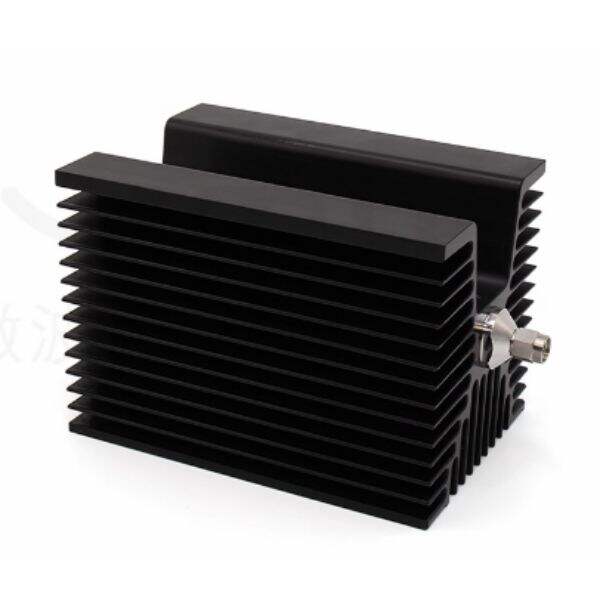
Passive Jindasignal attenuators are not as prone to wear and tear, as they do not contain complex components such as circuits. You can rest assured that your signal will continue to function for many years without the need for repairs. Cost is also a consideration. Passive attenuators are usually cheaper than its active waveguide hybrid coupler counterpart.

Copyright © Shenzhen Jindasignal Technology Co., Ltd. All Rights Reserved.
 EN
EN