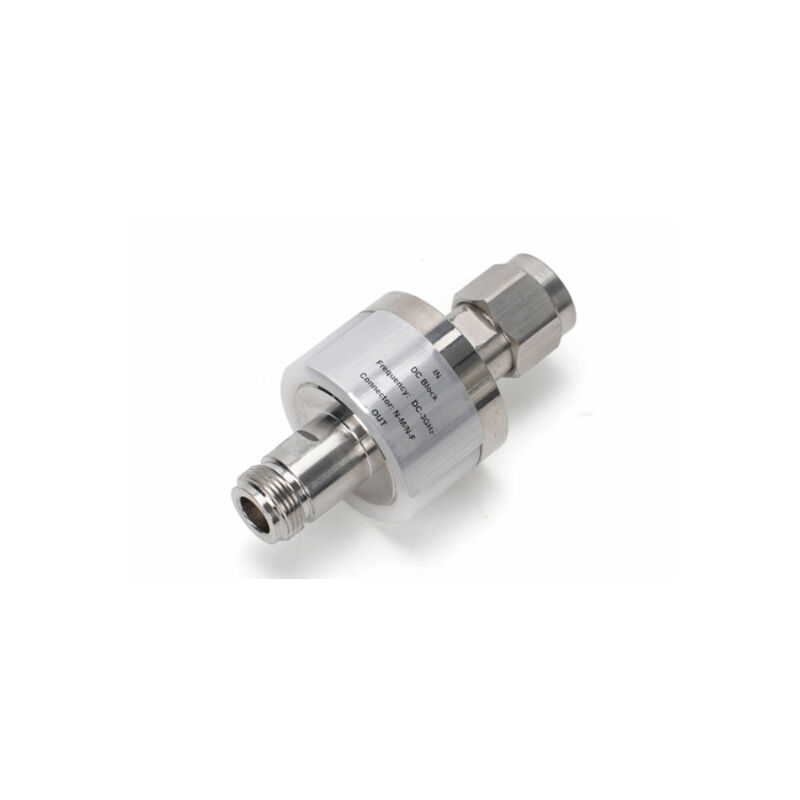
Lightning arresters sometimes have issues that can lead to their being less effective. One of the larger problems is bad installation. If the arrester is not properly installed, it may fail to divert the lightning strike into the ground. That is, unless the arrester isn't grounded properly. To avoid this, always use professionals who will know how to do the installation properly. And consistent upkeep is so, so important. Dirt and debris can get into the system, causing it to become clogged and fail. If you check and clean your arrester annually, it remains in good condition. Another problem would be having the wrong type of arrester for that area. There are different kinds of lightning intensities in different places. For example, arresters in thunderstorm-prone areas must be more robust. It’s advisable to look for some information, or ask for help Wikimedia experts in Jindasignal so you know which type is the most suitable in your area. Finally, that a lightning arrester must be inspected after a storm is not common knowledge. If you have a big thunderstorm in your area, test the system to be certain it still works. If it has been hit, perhaps it needs repairs or replacing. You can easily keep your lightning arrester in the best shape by keeping a watchful eye, seeking help when necessary and maintaining it properly.
You might see lightning arresters in nonresidential buildings, such as office towers and shopping centers. The taller a building, the greater its chances of being struck by lightning. For instance a tall warehouse might require multiple arresters to protect the entire structure. Further, schools and hospitals typically will have them. Given the high number of people who congregate in such places, safety is essential. The arresters installed on the roofs catch lightning wonderfully. A number of factories - those particularly with high chimneys, too install lightning arresters as a safeguard for their machinery. Also, large sports facilities, such as stadiums, often require them to make sure fans and players are safe. We understand at Jindasignal that the installation has to match the height and aesthetic of the building. That’s why we give you the option to choose your arrester size and style. All in all, directors and managers must consider where a bolt of lightning is more likely to strike their buildings. Good strategic planning helps to determine how many lightning arresters to have and where on a property they should be positioned. For more advanced options, you might want to look into products like the Lightning Arrester DC-3000MHz N-M&N-F-Wall-through.
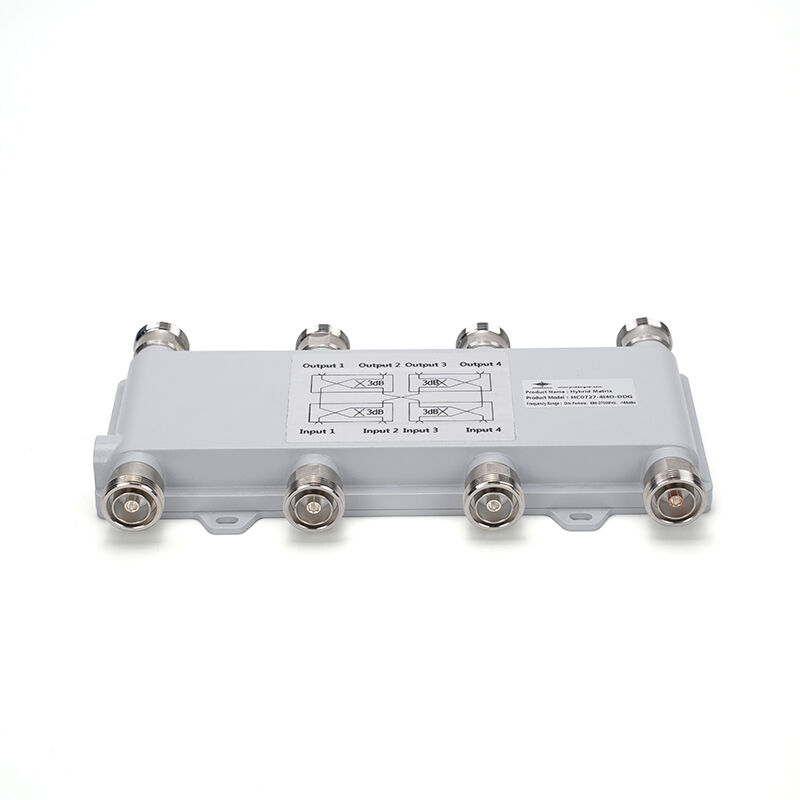
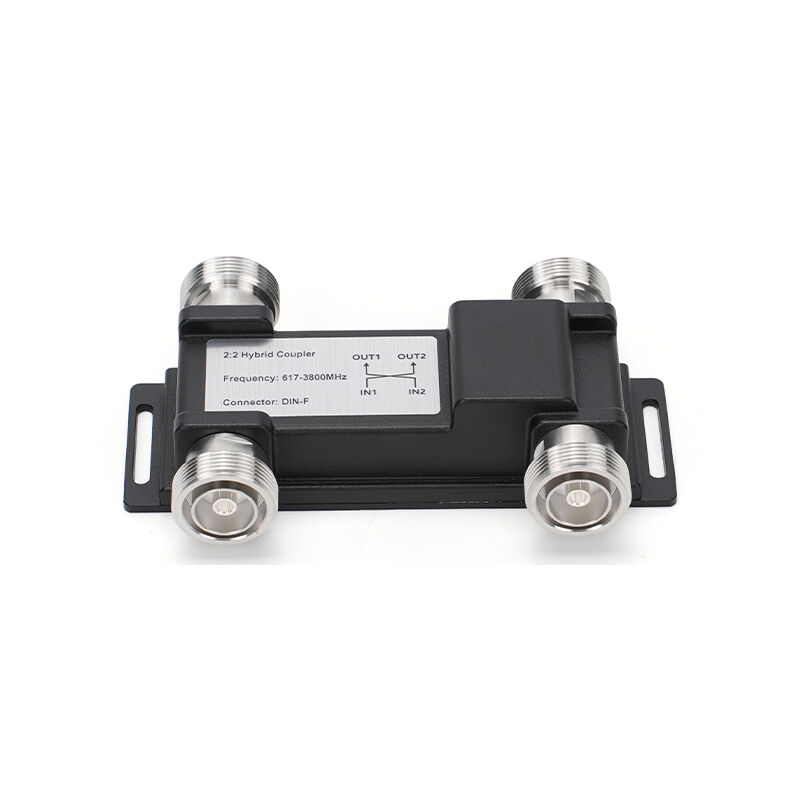
There are a few wholesale solutions for lightning arresters that homeowners and builders can consider when protecting structures from being struck by lightning. Lightning arresters also referred to as lightning rods, are a means of diverting lightning strikes from buildings and protecting them against damage. It certainly does with Jindasignal, supplying a series of light protection devices and accessories at wholesale prices to allow builders an affordable means of achieving quality lightning protection. Lots of suppliers provide bulk deal offers to builders who want to purchase more than one lightning arrester. This can result in saving of cost and it is a win-win situation for construction teams as well homeowners. The units are available in bulk packages of unspecified size, meaning builders can opt for the count best-suited to their own project. For instance, consider the Hybrid Coupler HC0638-2I2O-OMH for reliable performance.
Another notable feature of bulk buying is that the lightning arresters in Jindasignal come with various types and styles. This diversity helps ensure that builders can find the specific model appropriate for different types of buildings, including a small home or larger commercial building. Plus, most wholesalers sometimes provide special promotions or offers to people that buy items in quantity. This can make it significantly more cost-effective for home builders to add lightning protection. Furthermore, you are not going to believe how affordable a lot of the necessary accessories is that your arresters will come with in the first place. These extra things are necessary to make the lightning arrester function properly. That’s why buying wholesale ensures that you not only save money, but you minimize the accumulation of obstacles associated with outfitting a building for all its necessary safety features.
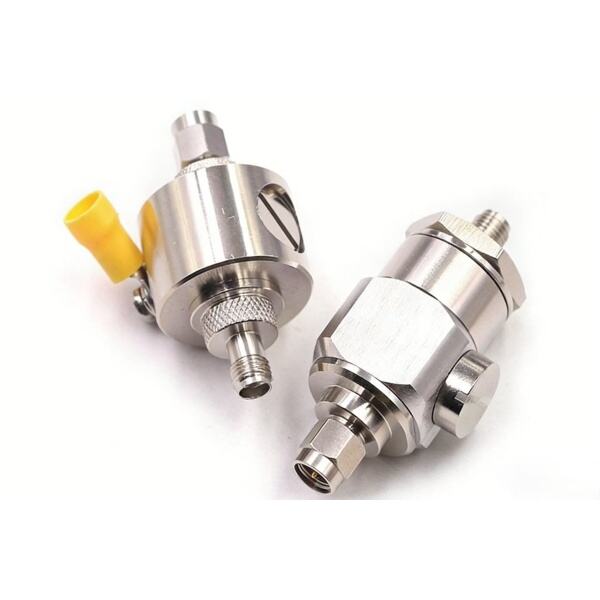
A lightning arrester must be installed properly for protection against scanters. Done wrong, it may not work, or worse — and this actually has happened on occasion — can be deadly. Jindasignal suggests that users should invite an experienced lightning rod installer for help. They know where to install the lightning arrestor for optimum defence. Most inedibly, the best place for it is naturally on the top of the building: a roof. In this manner, the arrester will intercept lightning before it reaches any part of the structure. Once the best location is chosen, the installer has to use strong material to anchor the lightning rod in order that it could withstand gales or storm.
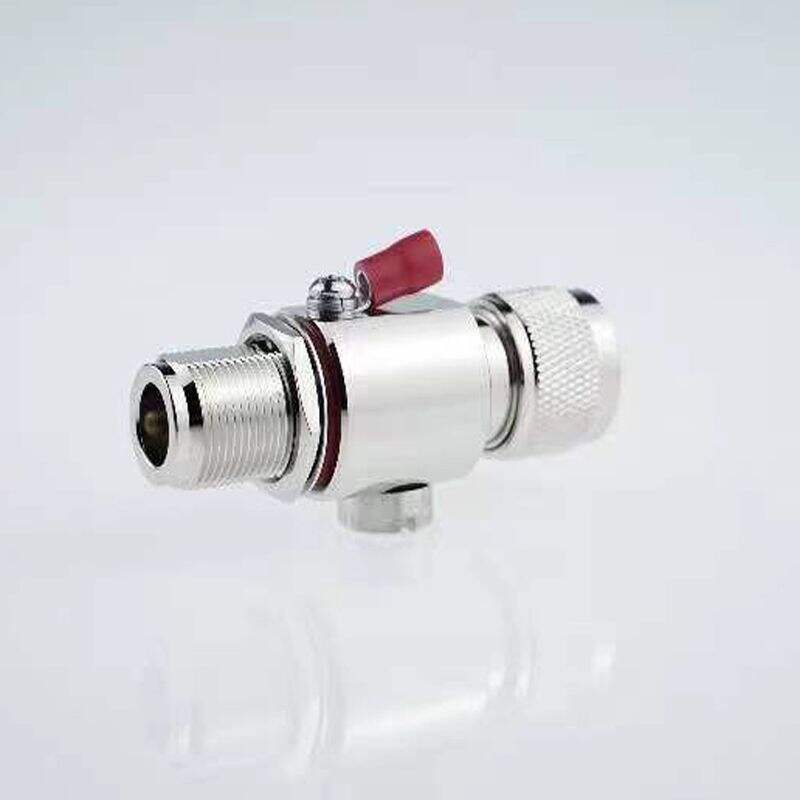
And there’s another critically important step to a successful installation: the lightning arrester must be grounded. Grounding refers to connecting the lightning rod to the ground to ensure any electricity from a bolt of lightning can safely travel into the earth. Jindasignal offers us the gambrel materials, such as wire and rod, required to facilitate this. You also need to confirm local building codes and laws before installation begins. Specific requirements for lightning protection systems may vary in different regions. Complying with these recommendations will keep the home safe and could be required for insurance reasons. Finally, once everything is all installed you’re having it checked by experts to make sure everything is correct. Here are few tips to ensure that your lightning arrester is up and working for many years; Regular Inspections: Regular checks of the system will help maintain it over time.
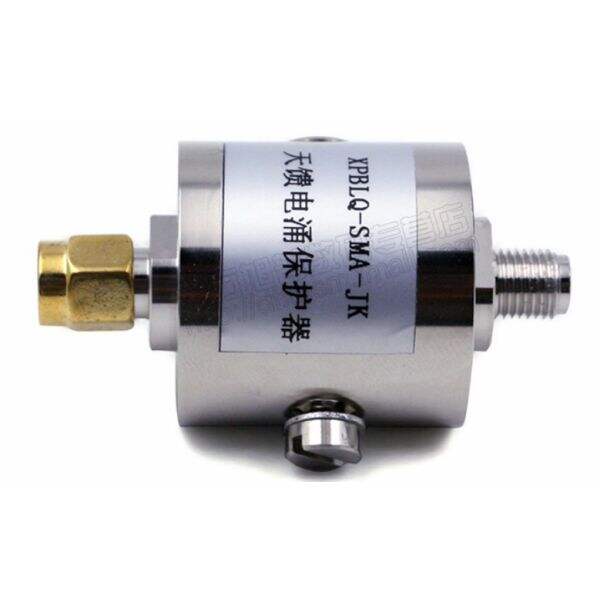
The technology in lightning arresters continues to advance, meaning they are safer and more efficient. Jindasignal is being updated with new developments in this field in response to industry demand for the best protection of buildings. 30 ZÖLD 3 ENGLISH New: Ultralight advanced materials Many new developments have been made in recent times, and require a closer look. These materials facilitate when the lightning arresters are installed and extend their life. The use of these newer materials can make money for you, because they are virtually maintenance-free over their useful life. They've also developed new grounding methods, which is another cool development. Today’s lightning arresters can even come with intelligent grounding systems which enhance the dissipation of energy. This technology furthers the protection of buildings, since a more dependable course for discharging current from lightning flow northward into the ground.

Copyright © Shenzhen Jindasignal Technology Co., Ltd. All Rights Reserved.
 EN
EN