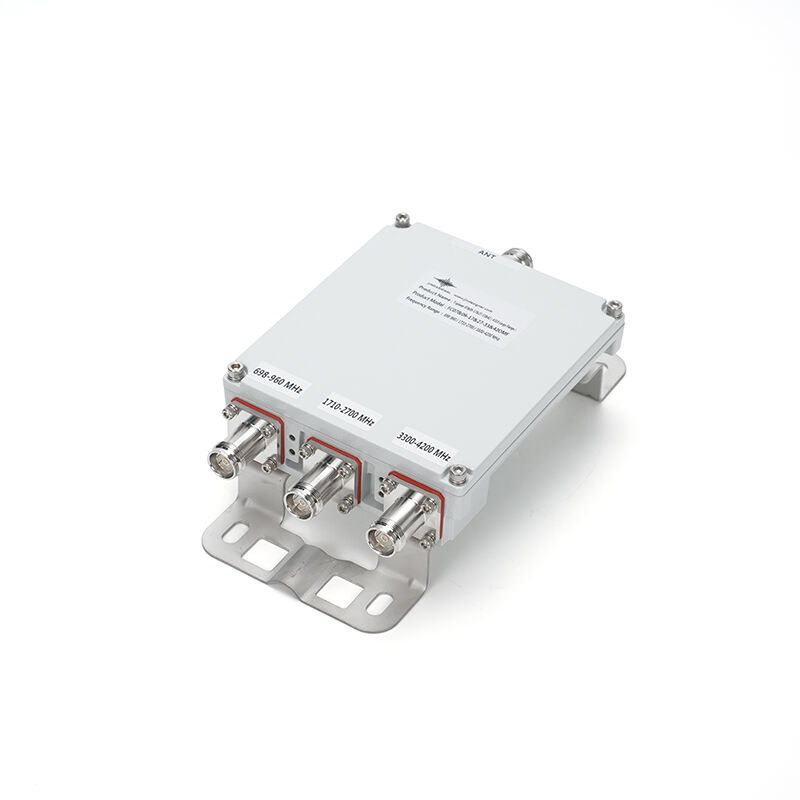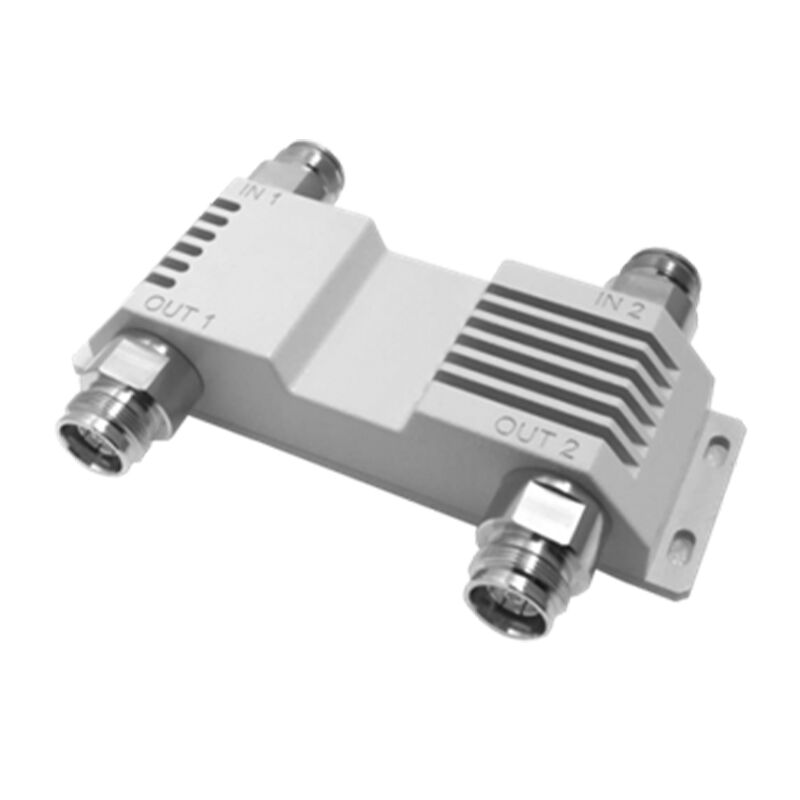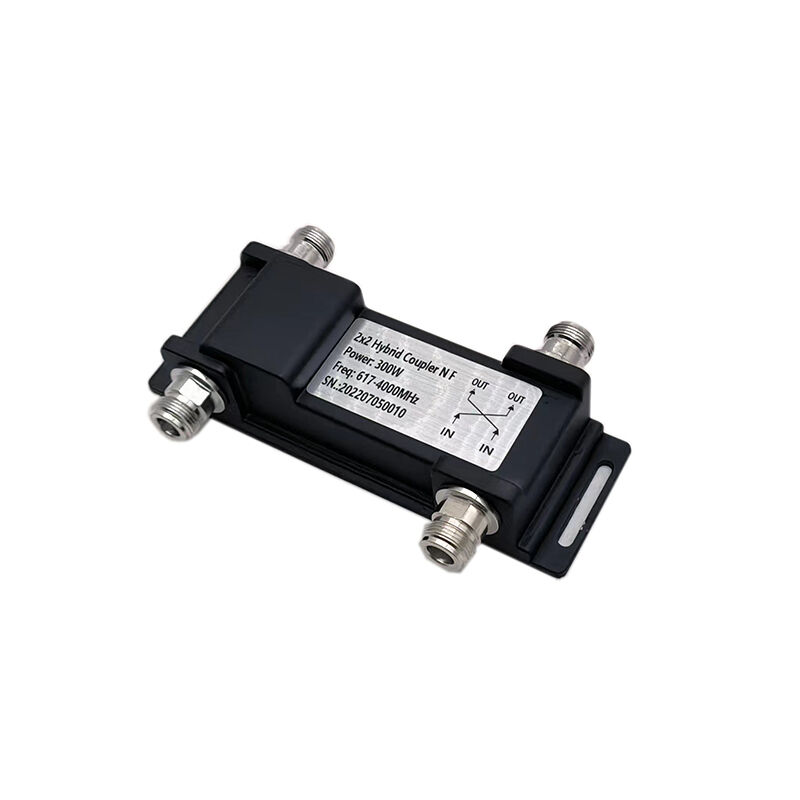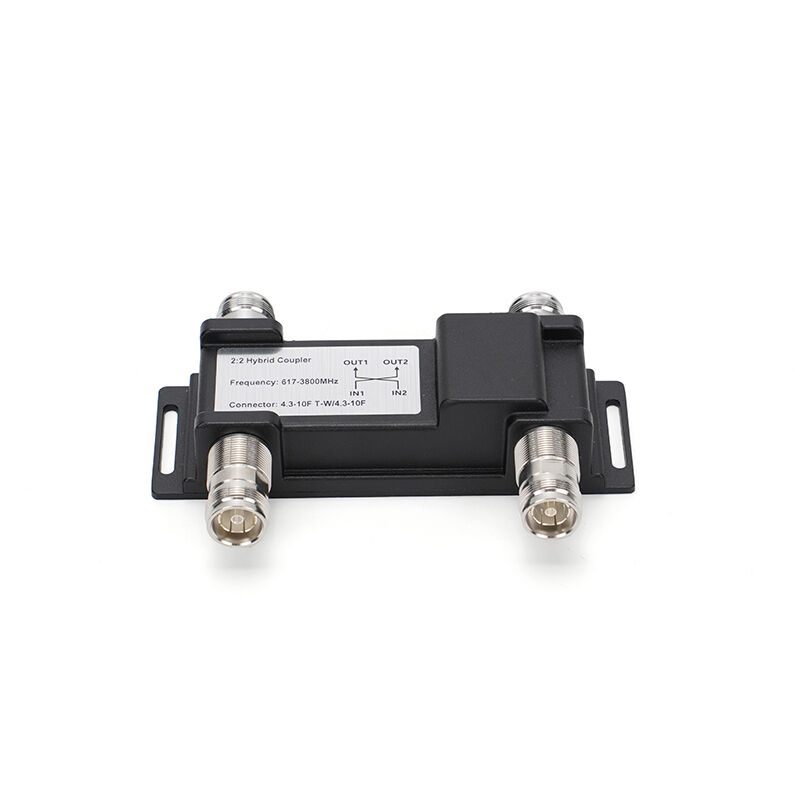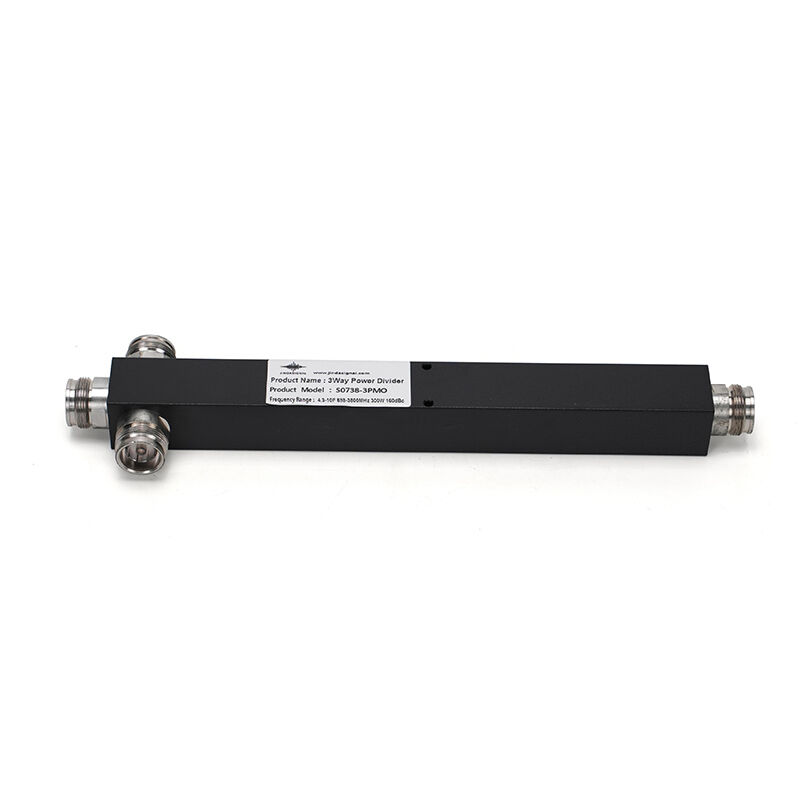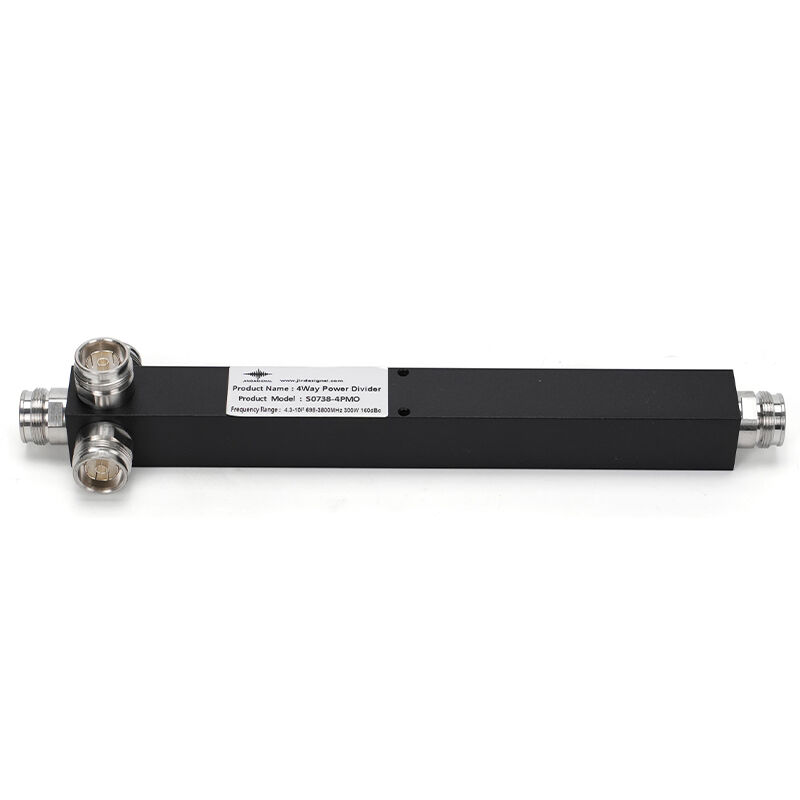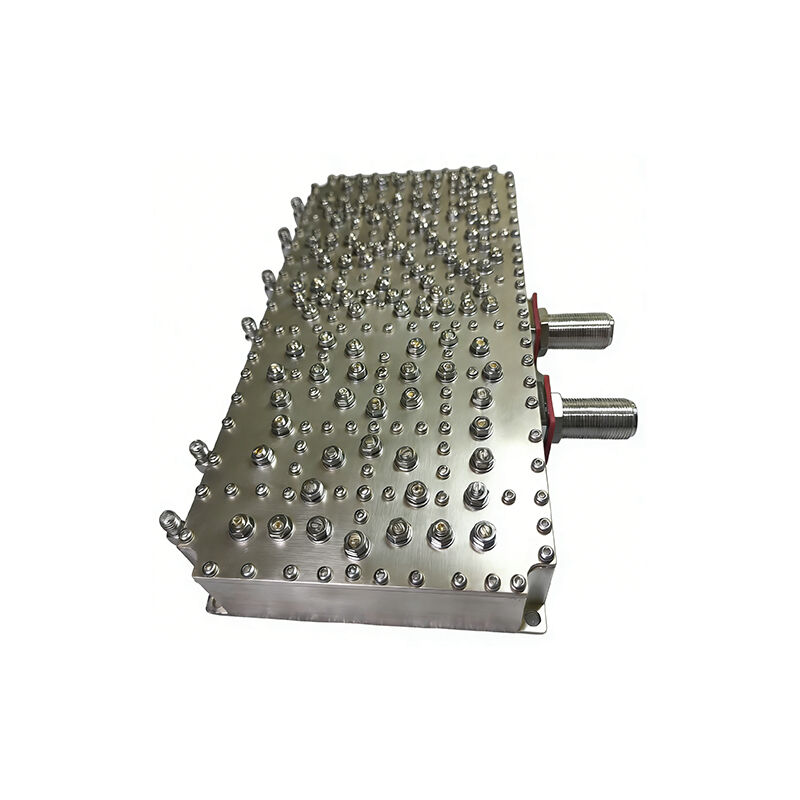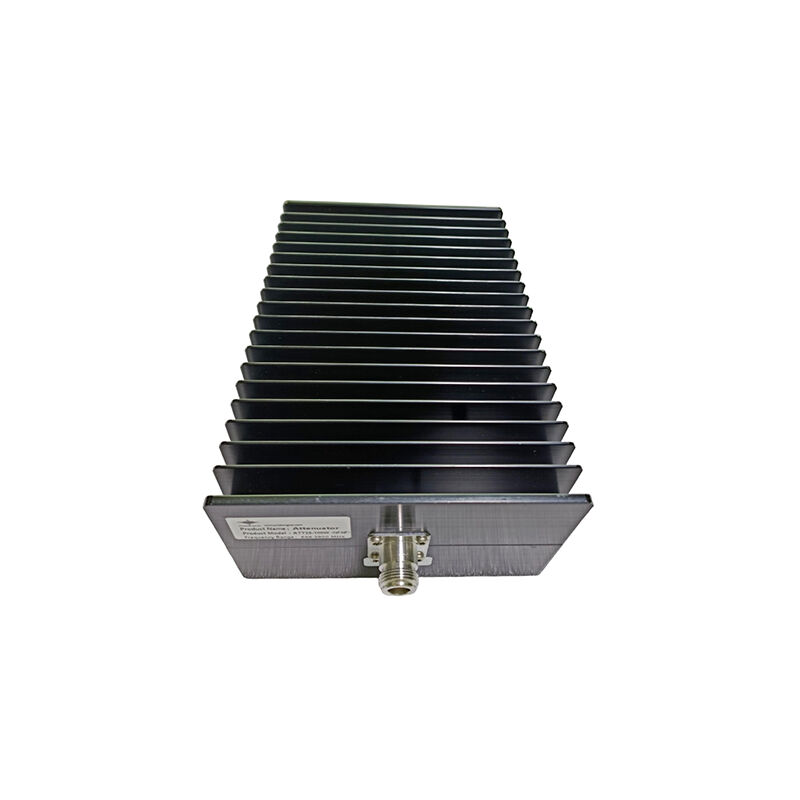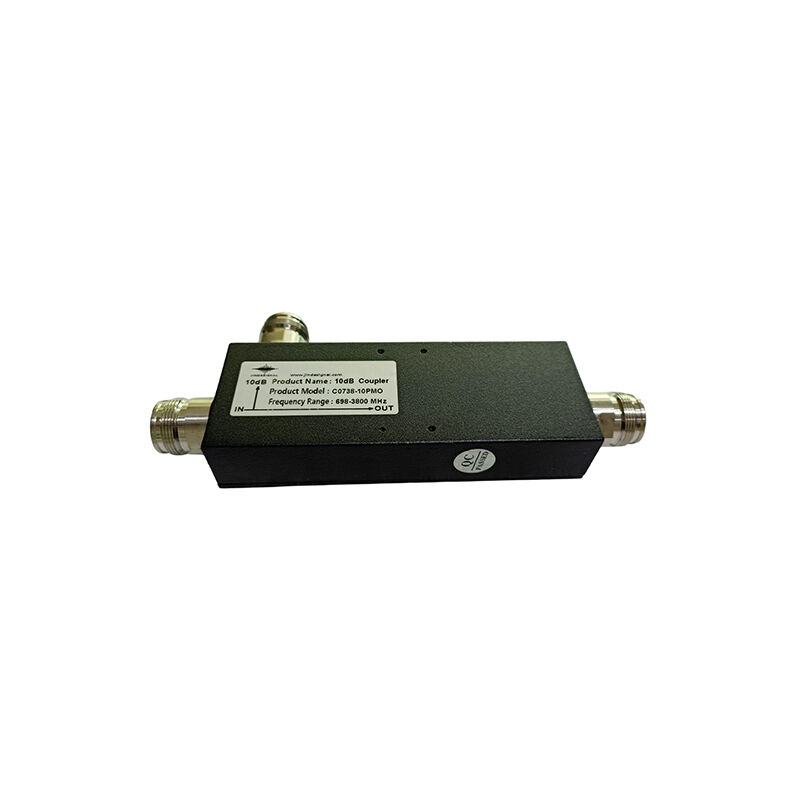
Coaxial attenuators are unique instruments used to manipulate the power of signal in cables. They are widely used in radio and television systems, mobile phones, computers, etc. Consider them the volume knob for signals going through coaxial wires. Too much loudness can distort music, and too strong a signal can wreak havoc in communication systems. Jindasignal high-grade Coaxial Attenuator is stable, durable and easy to set.
Selecting the correct coaxial attenuator can seem like something of a puzzle. The first thing you need to determine is the strength of signal you're working with. The inverse is also true, if the signal is too weak, then you need an attenuator to pad it down but not too much. It’s kind of like if you’re mixing a drink — if you put too much of one ingredient in, it might not taste good. Basically if, for example, say you're working with a television setup and the incoming signal is very high, you'd want a bigger reduction in that case by like 10 db or more. On the other hand, if you have a very low signal then a lesser reduction of say 3 dB may be sufficient. The next thing you want to check is the frequency range that the hybrid combiner attenuator can deal with. But some devices would perform better at certain frequencies than others. For instance, Jindasignal’s coaxial attenuators are designed to perform perfectly well across a variety of radio frequencies, but they’ll need to match the frequency of your equipment. Remember to consider the power rating. This lets you know how much power the attenuator can handle without being damaged. Seek out ratings appropriate for your audience. Lastly, consider the connections. Cables have different types of connections, so be sure to choose an appropriate one for your setup without requiring additional adaptors. All in all, the right attenuator is buying a little knowledge about what you need for your project to make sure that signal is just where it should be.
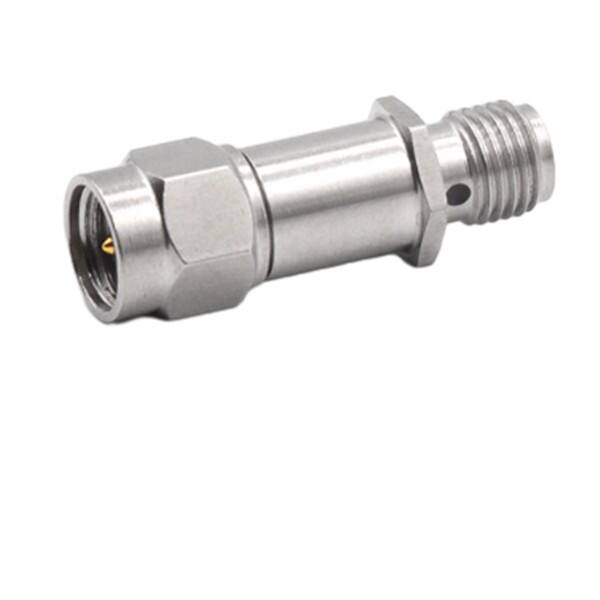
Using Coaxial attenuators are quite critical for maintaining clear communication. The first requirement is that you have to install them correctly. Always insert them in the middle of the signal path. Think of it as sticking a filter in a drinking straw: If you stick the filter gob in wrong somewhere, it just doesn’t work. An hybrid matrix attenuator can be installed directly at the transmitter, or at the feeder of an antenna. This positioning should prevent overburden of the receiving devices or of the transmitter. Keep in mind some attenuators will use a power level. You have to keep track of how much power is going through it. If the power received is too high, it can harm the attenuator or any other equipment connected in system. Jindasignal's products usually have some kind of logo, or a tip like to prevent users from exceeding the safe power limit. And, don’t forget to test your signals after they are installed. Check the signal strength with a field strength meter to verify f that it is where it should be. Tweaking may be necessary, and other levels of attenuation are worth trying. There may be more or less than you expected to attenuate based on what you’re working with. Finally, watch out for environmental changes affecting your setup. Factors such as new buildings, trees and even the weather can alter the path signals take, and so you may find yourself needing to make adjustments to your attenuators. By paying attention and taking action, you can use coaxial attenuators for what they are worth to continue running your RF systems without a hitch.
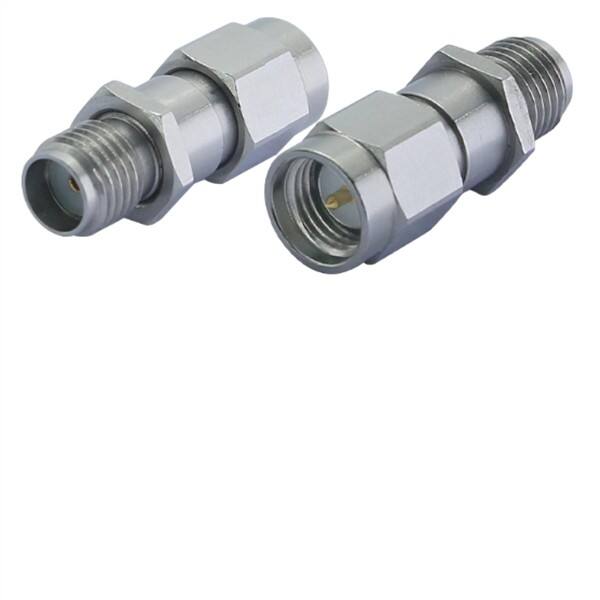
Coaxial attenuators are important devices that make part of a variety of electronic systems, such as radio and telecommunications. And there have been some exciting trends in how they are made and used recently. Among the largest shifts is a turn to higher-quality materials. But manufacturers are deploying new materials that can handle more power and perform better at higher frequencies. That means that coaxial attenuators can now function in more challenging applications like 5G networks, where signals are faster and need far more exact control. Smaller and lighter models are another trend. Engineers are constantly looking to design devices that are simpler to install and use. With the progress of technology, it is increasingly possible to develop smaller but very efficient coaxial attenuators. Jindasignal is among this trend, and the company developed attenuators that save space while maintaining performance. Moreover, digital signal processing has captured a lot of attention. Certain recent coaxial attenuators are electronically rather than manually operated. This makes it possible to make finer adjustments to the signal level, lessening any interference and improving clarity. “Sustainability is a hot topic right now. Coaxial attenuator is not environmentally friendly and many companies, such as Jindasignal are seeking new methods to produce them. This encompasses the use of sustainable materials and minimising waste in production. All of these trends indicate that the technology of coaxial attenuators is advancing at breackneck speed, and becoming better for more efficient use by all.
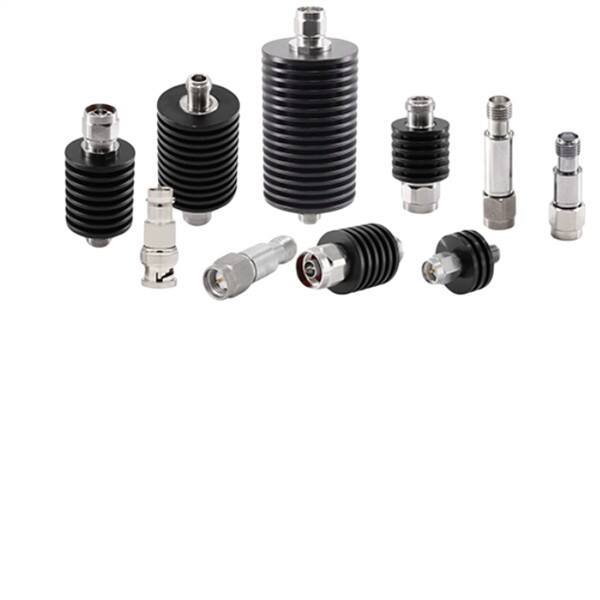
It's not always easy to find a reliable source of coaxial attenuators, but there are some good steps you can take picks hunting for one! First of all, it is crucial to search the internet. Many companies, including Jindasignal, have websites explaining their products and services. You are able to check other customers’ reviews and ratings to find out if others are satisfied with their purchases. This could help you locate a reliable supplier. Trade shows or technology fairs are also a great idea to get into. Huge numbers of both sellers and buyers come together in one time and place. By attending, you get the chance to meet with suppliers one on one and talk through your needs. It’s also a wonderful time to get to see and compare it all, including coaxial attenuators, in one place. If you network with professionals in the industry, they may refer you to organic suppliers as well. There are plenty of people willing to share what they learned and used. You may also be able to find good suppliers recommended in industry magazines or on online forums. Finally, try to contact companies like Jindasignal directly. They typically have sales representatives who are available to answer questions, offer advice and help you locate a product that’s perfect for what you’re doing. Developing a relationship with your supplier, to ensure you always have a source of good products when and where you need them can be crucial.

Copyright © Shenzhen Jindasignal Technology Co., Ltd. All Rights Reserved.
 EN
EN