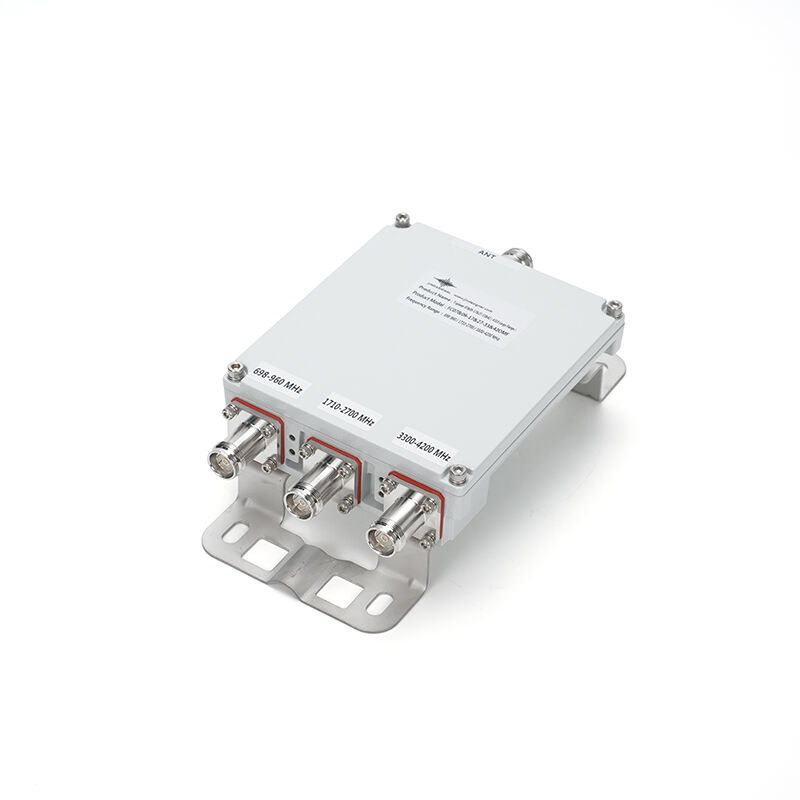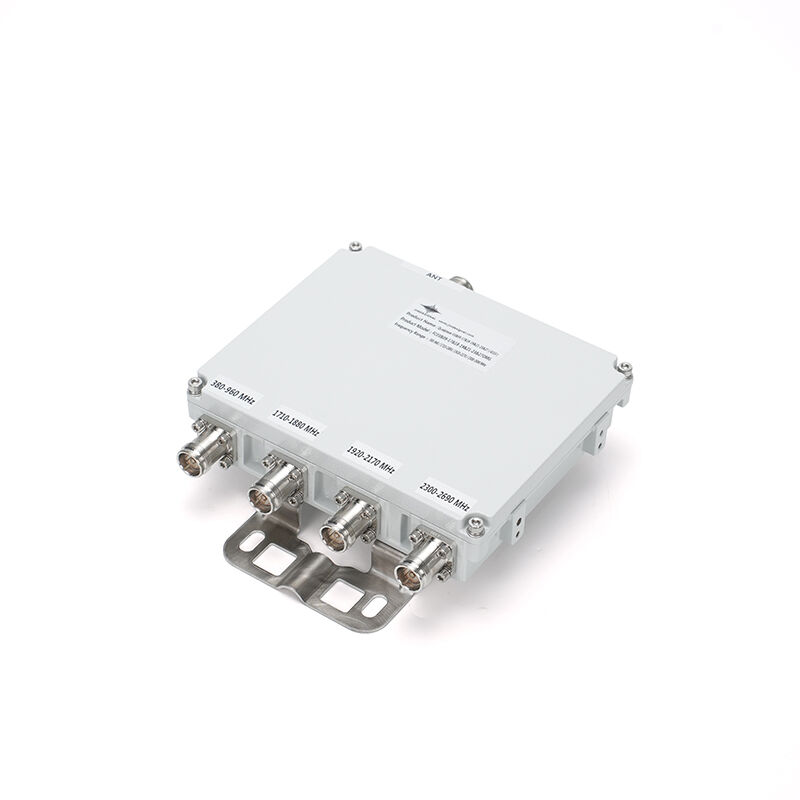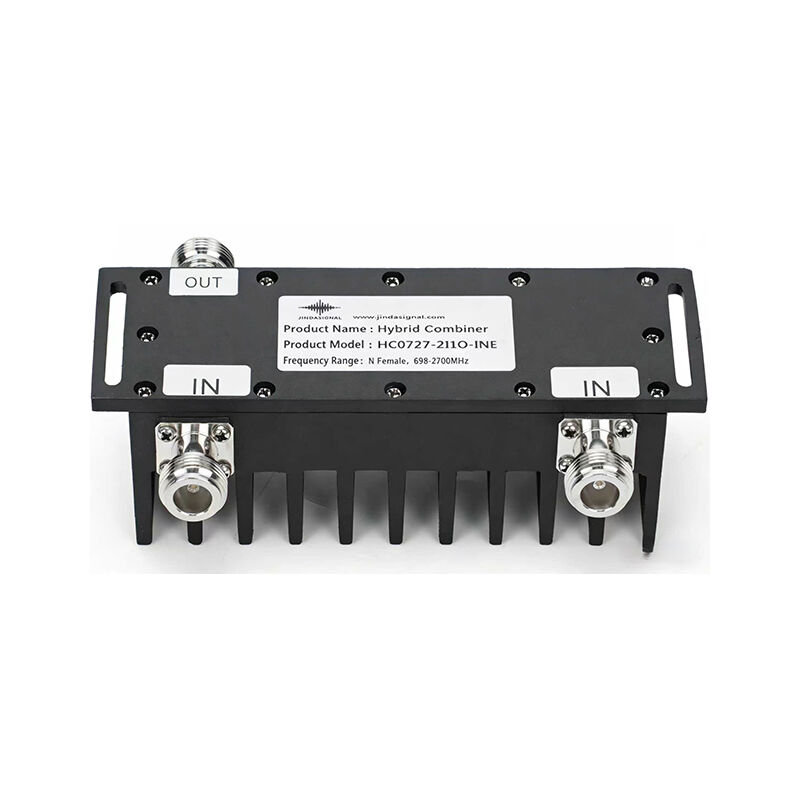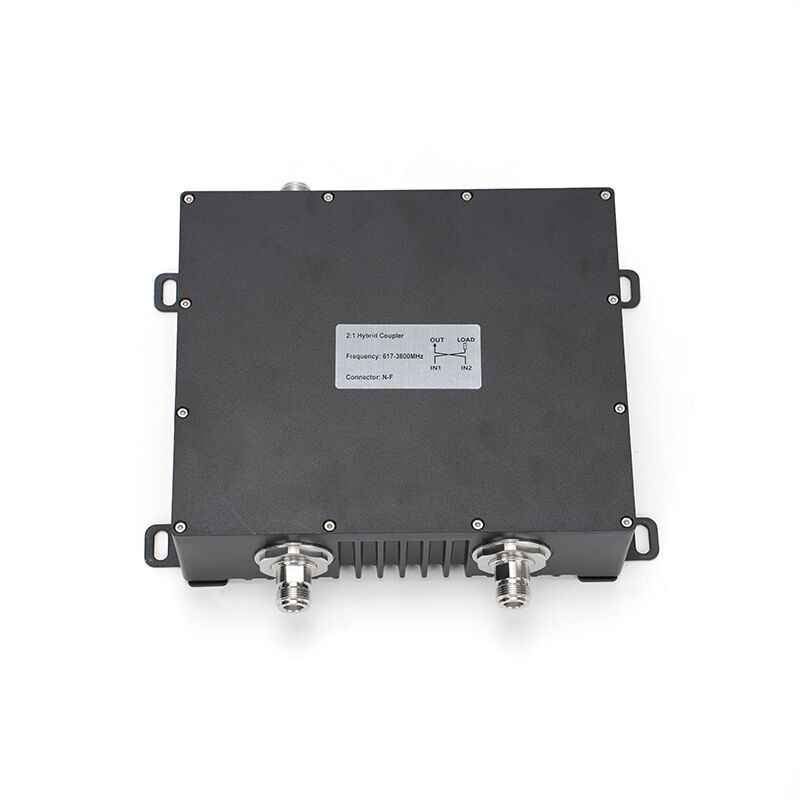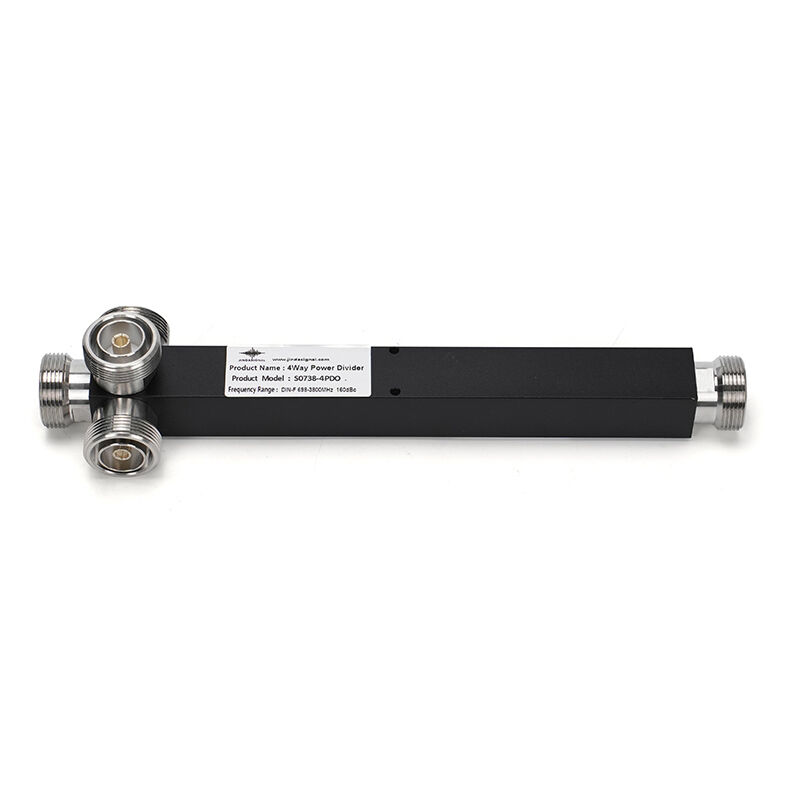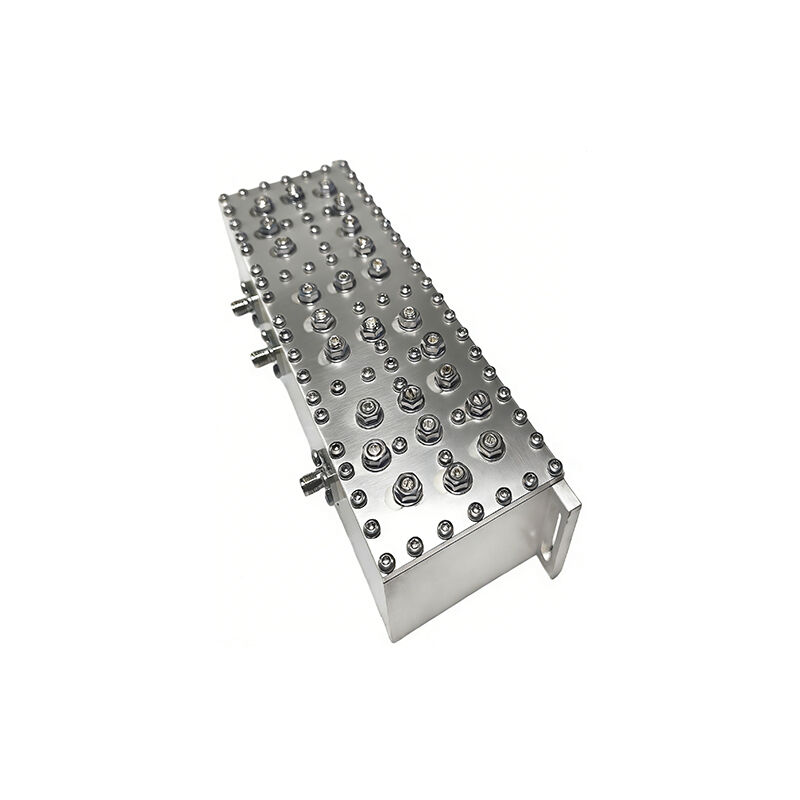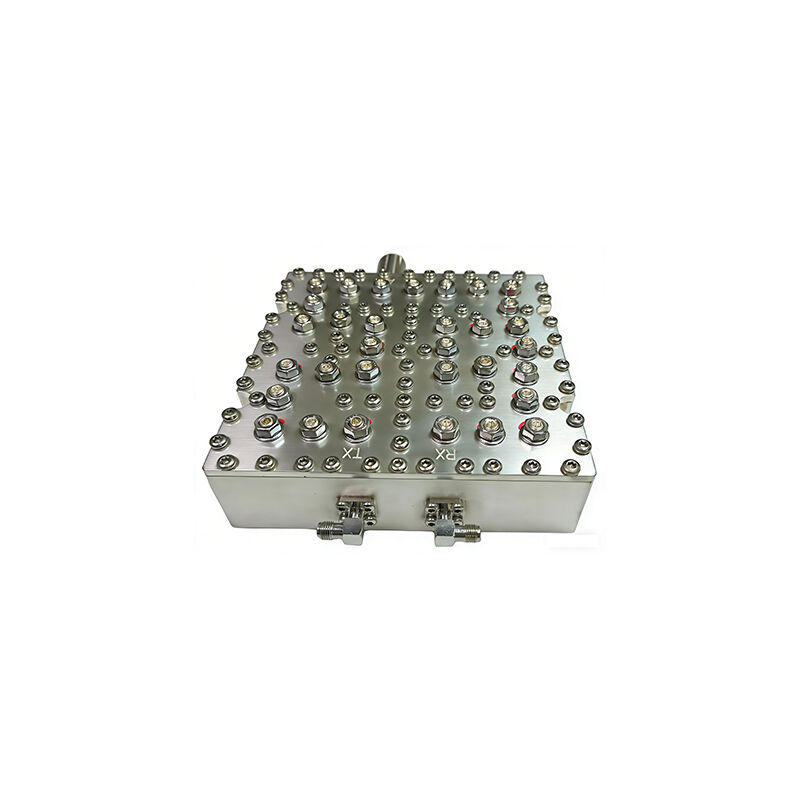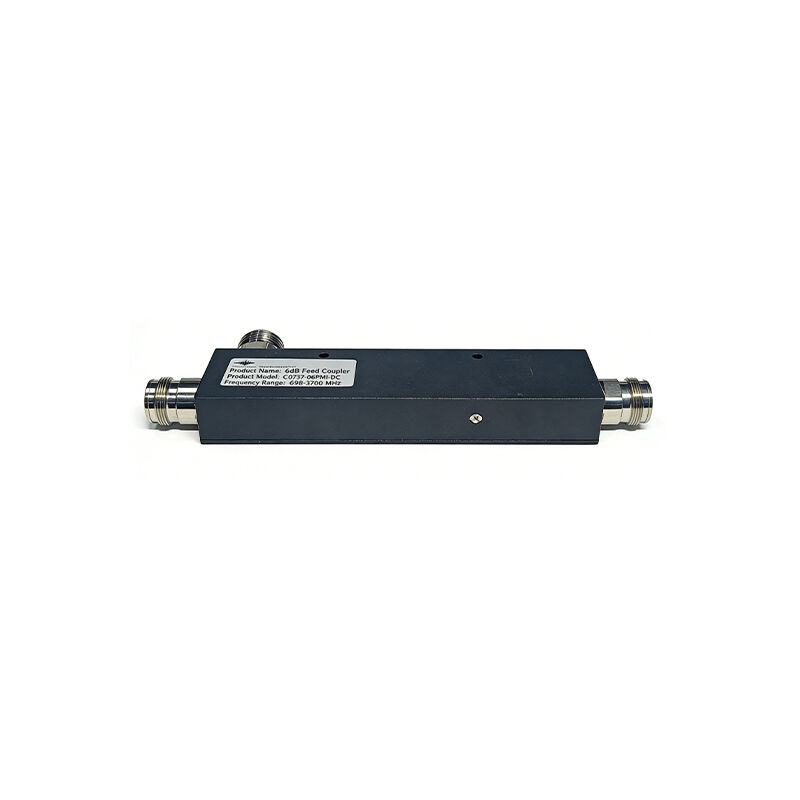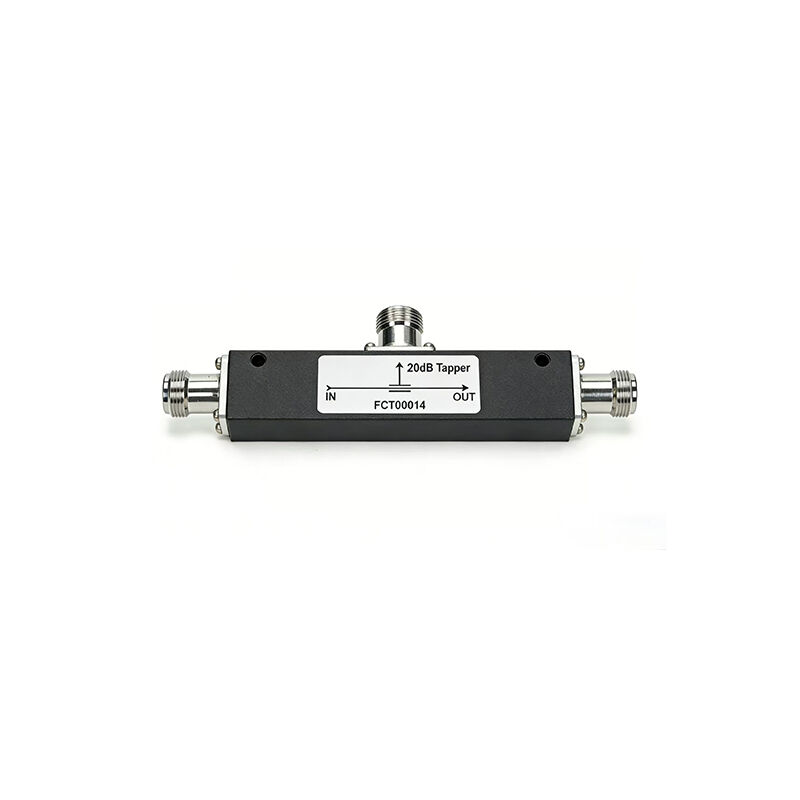
A cable type directional coupler is one of essential tools in various electronic apparatus. These couplers help to split signals for better performance, and keep the channels running smoothly. Reliable cable direction coupler provided by a creator of high-quality industrial products, Jindasignal. This guide will provide you with the information you need about them in clear language that’s easy to understand, whether you’re interested in how they work or want help selecting the best one for your ideal outdoor experience.
A cable directional coupler is a small device that allows a signal from one input to split into multiple outputs. This is what is known as a traffic light for signals: It guides them where they want to go without interference. The primary function of a coupler is to take the signal from one source, such as a radio or television, and split it so that it can be sent to multiple devices simultaneously. This comes in handy when you want to hook up more than one device- say, two TV sets- to the same cable source without having to lose signal quality. For optimal performance, consider using a Hybrid Coupler HC0638-2I2O-OMH.
Cable-line directional couplers are of importance in the field of RF. In simplest terms, cable directional coupler is a block which passes a some part of the power of a microwave signal flow in one arm while blocking the power flowing in other arm. One of them guides the master signal and the other guides a part of this signal for measurement. This is critical, because it permits engineers and technicians to see how well signals are functioning. For example, if you operate a radio station, then you want to know what the strength of your radio waves is, when they leave the antenna. A cable directional coupler allows the station to verify the live signal without interrupting air transmission. And people can keep listening to their favorite music or talk shows as engineers look out for the quality of the signal. Jindasignal offers premium quality couplers to obtain accurate signal measurements necessary for any communication systems, including the RF cavity filter 900-1000MHz.
These radios are also essential to the testing and maintenance of radio systems. When there is a so-called signal loss, the professionals can relocate on where such problem originates if necessary using the cable directional coupler. They can figure out if there is a blockage, interference or some other issue that is affecting the signal by analyzing data they receive from the coupler. That is why a cable directional coupler becomes not just an aid but also a requisite to keep good communication systems such as radio, TV and cell phones. Without the SIGQUAL, interpreting signal quality would be a significantly more challenge, with more errors and service disruptions. Not only this, Jindasignal excellently made couplers make data accurate and neat. This is easier for engineers to keep strong and healthy communication on everyone as well.
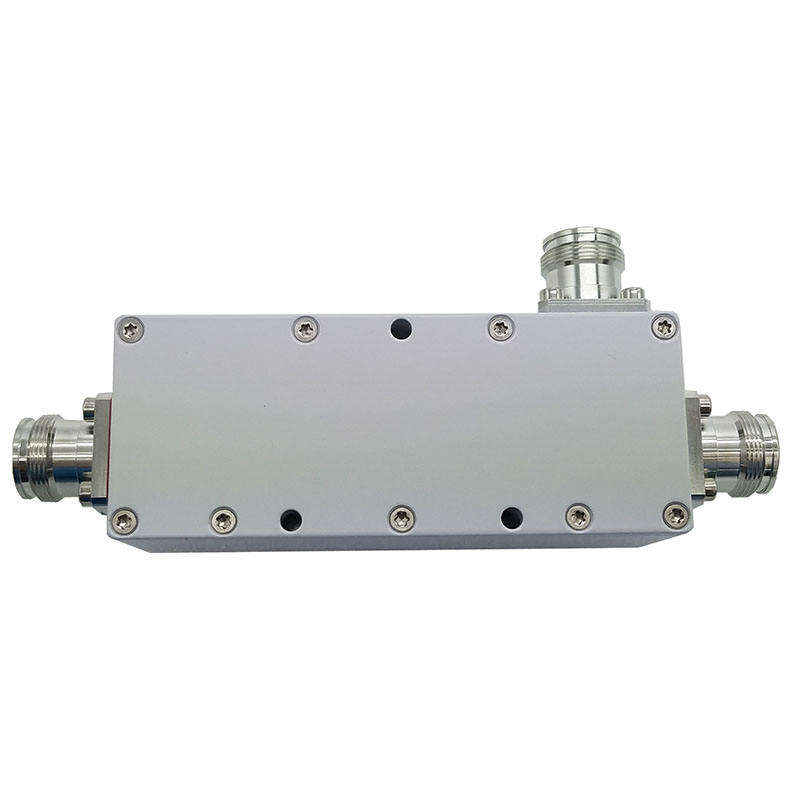
Also, the isolation ability is important for the reliability. Isolation is a measure of how much a signal at one port can slip in to another port. High isolation indicates that the ranges will have little to no signal crosstalk with one another, a very important component in ensuring voice communication remains clear. Typically a coupler need to have high directionality, low insertion loss and high return loss. These characteristics combine to make the coupler extremely accurate and repeatable, adding it as one device common in RF applications. Jindasignal has set for its cable solutions: high quality standards and excellent reliability to guarantee superior performance in any kind of applicationWhereItCounts – Jindasignal’s product offers many features to ensure end users can rely on them time after time.
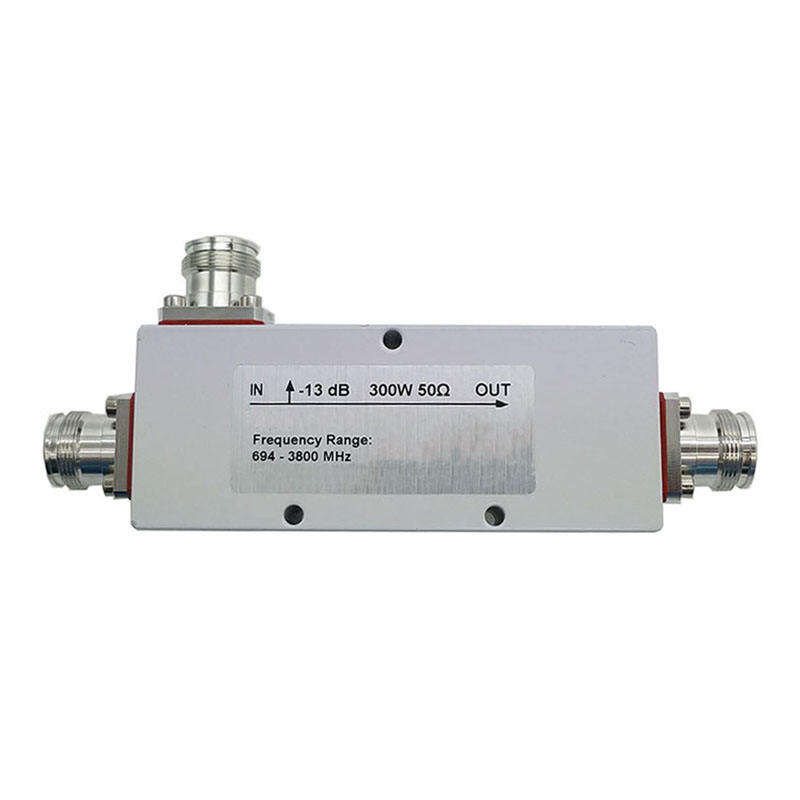
For the non-inductive cable directional couplers, you know some common problems and how to fix them would really benefit for both your RF system and yourself. Signal quality is usually the biggest culprit. If the signal measured in coupler is very low, then first trace out all the connections. Signal strength can be greatly affected by slack or damage in your wires. Ensure all connection points are tight, the cables themselves are in good condition. Here at Jindasignal we believe in the quality of cables to keep your system running efficiently. New cables can feel a lot better, that might do the trick for you.
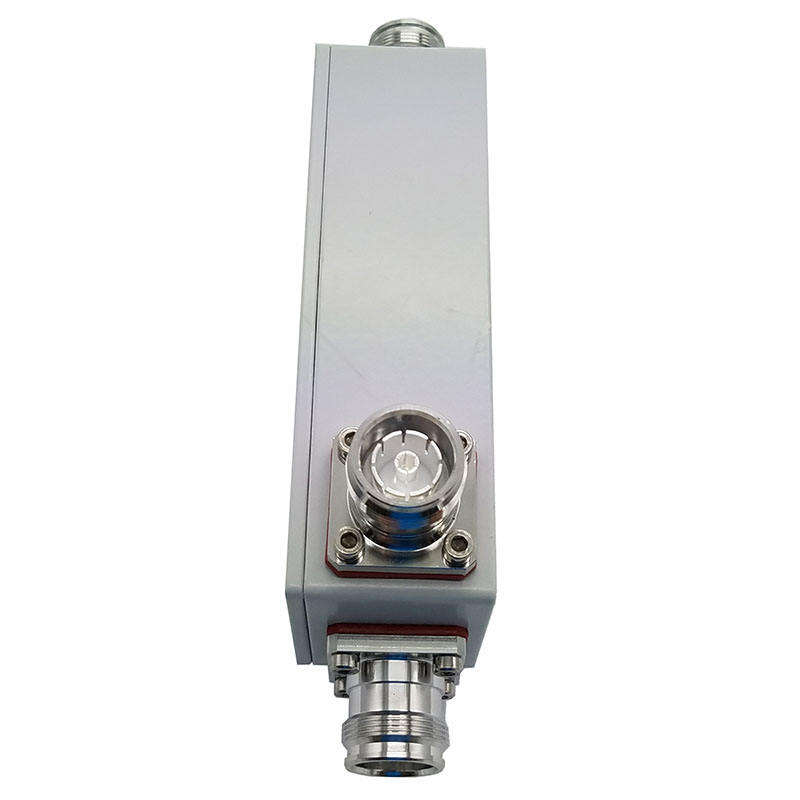
Another possibility is readings that are complete wrong. If you refer to the coupler for answers that appear incorrect, realize that it may have some interference between readings and other instruments. Ensure there are no electronics nearby that can interfere. You will also want to make sure your coupler is properly dialed in as well. Couplers may become uncalibrated after several years and give wrong measuring results. If you feel that your coupler is misbehaving, refer to the ‘Recalibration’ instruction of the manufacturer. Jindasignal offers comprehensive instruction for their products, and it is simple to recalibrate your couplers as a user.

Copyright © Shenzhen Jindasignal Technology Co., Ltd. All Rights Reserved.
 EN
EN