EN
EN

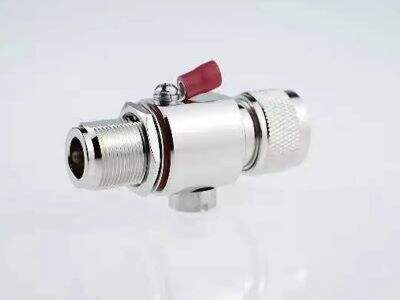
Installing a lightning arrester are important for keeping buildings and electric systems safe from lightning hits. Lightning can cause big damage, so its good to know where put these things to keep all safe. At Jindasignal, we focus on giving good quality lightning safety solutions. Knowing how and where to put them in can help prevent expensive fixes and make sure safety.
Where to Put Lightning Arresters for Best Safety?
To get the most safety from lightning, the spot for your lightning arrester for building is very key. First, you should put it on the highest part of a building. Because lightning like to hit the tallest things. For example, if you got a high roof, putting the arrester there can direct the strike safe to the ground.
And another spot to think about is near electric panels. This is where all the electric wires meet up. By putting an arrester close to the panel, you can protect all the stuff connected to it. It also help reduce the chance of power surges that damage appliances and gadgets.
If your building has outside gear like antennas or satelite dishes, these need their own lightning arresters too. These things often stick out higher than the building, so they more likely get hit by lightning. A good way is to connect the outside devices to the main lightning safety system.
In addition, for big buildings or factory sites, you may need several arresters. Its not just one place; cover the whole area. Make sure all high spots, like vents or chimneys get covered. You might want a pro to check the best spots based on your building layout.
So lastly, don't forget the ground system. The arrester must connect to a solid ground. This make sure that if lightning hit, the energy go safe into the earth. Without good grounding, the arrester wont work right. Its key to have a strong grounding setup.
How to Pick the Right Lightning Arrester for What You Need?
Picking the right lightning arrester for antenna depend on different things for your case. First, think about the size of your building. Like, a small house may need a other type than a big factory. Choose a device that fit the scale of what you protecting.
Next, consider the kind of safety you need. There are various types of arresters, like air terminals and surge guards. Air terminals handle direct strikes, while surge guards deal with power surges. If your building got sensitive electronics, its smart to get surge guards.
Also, look at the materials in the arrester. Good materials last longer and give better safety. Find ones made from tough metal and built to handle bad weather. This ensure they can work during a storm.
With this, think about the putting in process too. Some arresters easier to install than others. If you not know much about electric work, you might need a pro to help. Make sure ask about install costs and get quotes from some pros.
Finally, check the warranty and help from the maker. A solid warranty give you calm, knowing you can get fix if something go wrong. At Jindasignal, we offer good support and products that suit your needs.
Choosing the right arrester is crucial for safety and it working well. Keep these in mind, and you be ready to keep your place safe from lightning.
When thinking where to put lightning arresters, we need consider some key factors
First, look at the height of the building. Taller ones more likely get struck since lightning hit the highest spot around. So if your building tall, put a arrester on the roof or top point. Next, think about nearby stuff. If trees or other high things close, they can pull lightning too. Thats why place the arrester where it protect from those tall objects. Another thing is the building type. Like, a school or hospital need more safety than a small shed, because more people inside and their safety matter a lot. The location area also count. Some spots get more storms than others. If you in a place with lots of lightning, its wise to install one. Lastly, think about building materials. Metal ones attract lightning, so having an arrester help keep safe. At Jindasignal, we know choosing right spot make them work good.
To make sure good lightning safety with right putting in, follow some main steps.
First, hire a pro is a great idea. Pros know best ways for installing arresters and help avoid errors. They can check your building and area to find best spots. Its also important connect the arrester to a good ground system. Grounding mean linking it to the earth so lightning flow safe down instead of through the building. At Jindasignal, we suggest copper or aluminum rods cause they work well. Another step keep the area around clear of stuff. This mean no branches or junk blocking it. Regular check up is key too. Look at the arrester and ground once a year to make sure they okay. If you see damage, fix it quick. Lastly, teach people in the building about lightning safety help. Like what to do in a storm and how the arrester works. By doing these, your safety system will be ready for storms.
Putting lightning arresters in main spots have lots of good points. First, they protect lives. Lightning can cause bad hurts or even death when it hit a building. The arrester catch it and send safe to ground, lowering risk for people inside. This very important in schools, hospitals, or homes with many folks. In addition, they save property. A strike can start fires, hurt electric systems, and break valuable gear. For business, that mean lose data or tools. Installing one prevent that and keep things safe. Another plus is it can cut insurance costs sometimes. Companies give discounts for good lightning setup cause it lower damage risk. So you spend on install but save later. Finally, it show you care about safety. It tell everyone you take lightning serious and protect the community. At Jindasignal, we think every building should have this for safety and calm. Overall, the good from arresters beat the costs, making them must for any place.