EN
EN

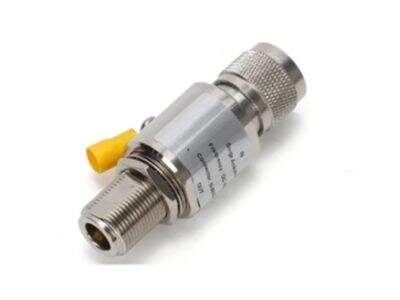
Lightning and surge arresters is important tools that help protect our homes and buildings from electrical damage. Many people thinks these two devices are the same, but they has different jobs. Lightning arresters are made to protect against natural lightning strikes, while surge arresters handle electrical surges caused by things like power lines. Understanding these differences can help us better protect our property. Jindasignal specialize in making these tower lightning arrester, making sure they are effective and reliable.
How Do Lightning Arresters Protect Your Property from Voltage Surges?
Lightning arresters works by directing the powerful energy from a lightning strike safely into the ground. When lightning strikes a building, it can create a huge amount of voltage. This sudden surge can cause damage to electrical systems and appliances. A lightning arrester acts like a safety valve. So, when lightning hits, it gives the energy a path to follow, which prevents it from spreading through the building. For example, if a bolt of lightning strikes a tall tree near your house, the lightning arrester will catch that energy and direct it into the ground, protecting the electrical wiring in your home. This is especially important in areas that often experience thunderstorms. Having a lightning arrester is vital because it can save you from expensive repairs and keep your family safe from potential fires caused by electrical surges. At Jindasignal, we understand how crucial it is to protect your property from lightning, and we have developed high-quality lightning arresters to do just that.
What Are the Common Misconceptions About Lightning and Surge Arresters?
Misunderstandings about lightning and surge arresters are common. One misconception is that a lightning arrester can protect against all electrical problems. While they are great at handling lightning strikes, they won't help with surges caused by power outages or equipment turning on and off. Surge arresters are needed for these situations. Another common myth is that if you have a lightning arrester, you don’t need to worry about electrical surges at all. This is not true! It’s important to have both devices. They work together to give complete protection. People also think that lightning only strikes tall buildings or trees, but it can hit anywhere. That’s why having a lightning arrester is necessary, even if your home is not the tallest. At Jindasignal, we aim to educate our customers about the importance of both lightning and surge arresters, ensuring they understand how each device works and the protection they offer. By clearing up these misconceptions, we can help people make better decisions about their electrical safety.
How to Choose the Right Surge Arrester for Your Electrical System?
Choosing the right surge arrester for your electrical system is important to keep your devices safe from sudden power spikes. First, you should know what a surge arrester does. It helps protect your electrical equipment from too much voltage, which can happen during storms or when there are problems with the power lines. When selecting a surge arrester, start by looking at the voltage level of your electrical system. Make sure the surge arrester can handle the same or higher voltage level. For example, if your home uses 120 volts, pick a surge arrester that can manage at least that much. Next, check the energy absorption rating. This number tells you how much energy the surge arrester can absorb during a power surge. A higher rating means better protection. Jindasignal offers products with various ratings, so you can find one that fits your needs. It’s also important to consider the type of equipment you want to protect. If you have sensitive devices like computers or televisions, look for a surge arrester designed for those types of electronics. You should also think about where you will install the surge arrester. Some are made for indoor use, while others can be placed outside. If you live in an area with frequent lightning storms, you might want to choose a more robust model. Lastly, don’t forget to check the warranty and the manufacturer's reputation. A good warranty means the company stands behind its product, and a trusted brand like Jindasignal can give you peace of mind. By considering these factors, you can choose the right lightning arrester for antenna to protect your electrical system and keep your devices safe.
How Do Lightning Arresters and Surge Arresters Work Together?
Lightning arresters and surge arresters both help protect your electrical systems, but they work in different ways. A lightning arrester is designed to catch lightning strikes before they can reach your home or building. When lightning hits a lightning arrester, it safely directs the electricity into the ground, preventing damage to your structure. On the other hand, a surge arrester protects your devices from smaller power surges that can happen due to various reasons, like a storm or a sudden change in power supply. Even though they have different jobs, they work together to keep your electrical system safe. For the best protection, you should use both types of arresters. When lightning strikes, the lightning arrester does its job first by channeling the dangerous electricity away. Then, if there are any leftover surges, the surge arrester steps in to handle those. This layered protection is important because it ensures that your home and devices are shielded from both big and small electrical threats. Jindasignal provides products that can work in harmony to protect your electrical systems effectively. Remember, it’s not just about having one type of arrester; using both can give you the best chances of avoiding damage. By understanding how lightning arresters and surge arresters complement each other, you can make better choices for your home’s safety.
What Are the Best Practices for Installing Surge Arresters?
Installing surge arresters correctly is crucial for them to work well. First, always read the instructions that come with the surge arrester. Different models might have specific steps to follow. It’s a good idea to hire a professional electrician if you are unsure about how to install it. They have the right skills and knowledge to do it safely. When you start the installation, choose a location that is close to the equipment you want to protect. This helps the surge arrester do its job better. If it’s too far away, it might not be as effective. Make sure the area is dry and clean to avoid any problems. After you find the right spot, connect the surge arrester to the power source and the equipment. Use good-quality wires to make sure there are no weak points in the connection. It’s also important to ground the surge arrester properly. This means connecting it to the ground so that any excess electricity can be safely sent away. If the surge arrester isn’t grounded, it won’t work right. Jindasignal offers guidance on how to ground your surge arrester effectively. After installation, check the surge arrester regularly to make sure it’s still working. Some models have lights that can show you if they are functioning properly. If you notice any problems, replace the surge arrester as soon as possible to keep your devices safe. Following these best practices will help ensure that your lightning arrester provides the protection you need for your electrical system.
Table of Contents
- How Do Lightning Arresters Protect Your Property from Voltage Surges?
- What Are the Common Misconceptions About Lightning and Surge Arresters?
- How to Choose the Right Surge Arrester for Your Electrical System?
- How Do Lightning Arresters and Surge Arresters Work Together?
- What Are the Best Practices for Installing Surge Arresters?