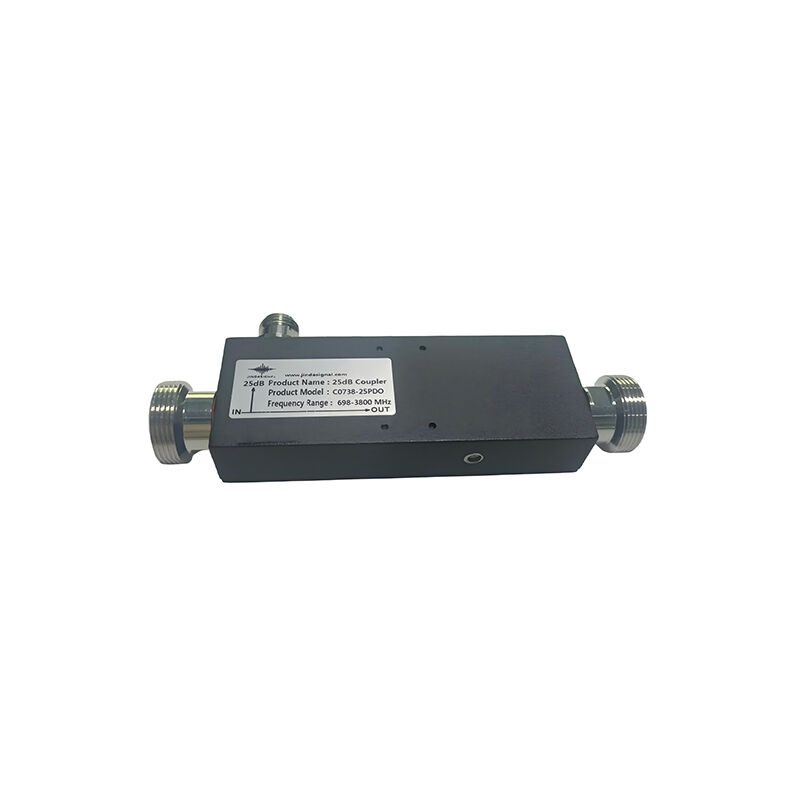
What are a Single Hole Directional Coupler and Its Main Advantages?
One hole directional coupler One hole directional couplers allows signals to be transmitted in one direction, by-pass signals (a small portion) in another and are bidirectional. It was one-input, two-output. This type of arrangement is useful for monitoring and measuring a signal in a system without significantly disturbing the original signal. A typical example is in a radio broadcast where the practitioners can monitor signal strength also without interfering with the broadcast. Like no other, it barely introduces any noise or distortion to the main signal as one thing. That means the signals can remain clear and strong.
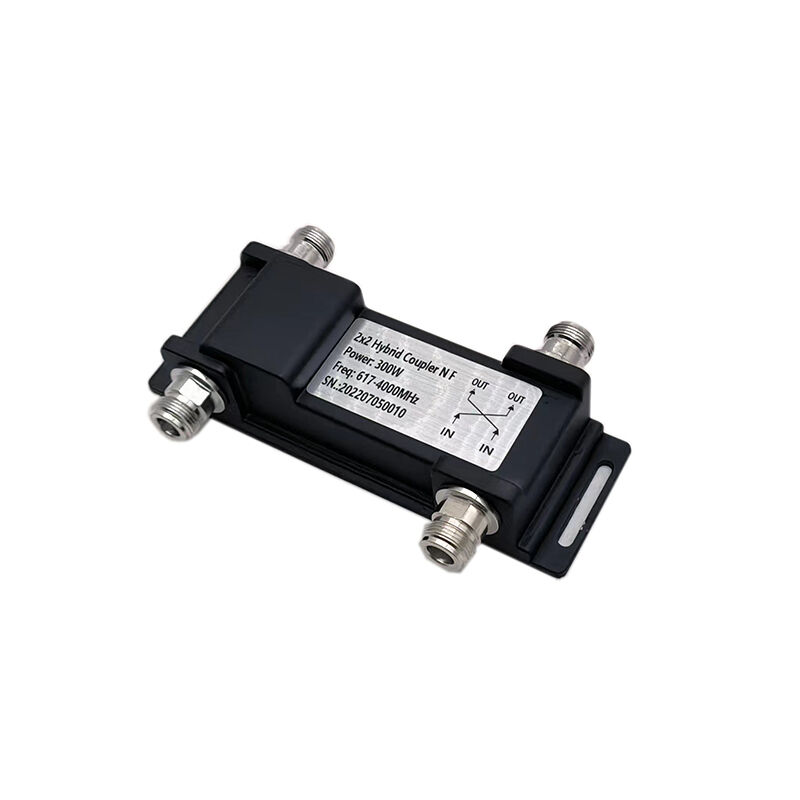
The size is yet another benefit of a single hole directional coupler. They tend to be small and can squeeze into narrow spots. This makes them ideal for contemporary technology, in which the devices are becoming both smaller and more powerful. Developers like Jindasignal take special care that these applications are not only functional, but robust and reliable. Built with quality materials, they may perform just as well in harsh conditions. People buy Jindasignal products, because they know that those are made to last and assist in keeping communication crisp. Further it may be cost effective to utilize a one hole directional coupler in some applications. Unlike the case of signals, additional couplers are not required to measure them. It’s useful, pragmatic and applicable to the work that engineers are doing. For example, the Hybrid Coupler, 4 in 4 out 698 - 3800MHz is a great option for those looking to maintain signal integrity.
In order to effectively use a single hole directional coupler, you need to make sure that the set-up is done properly. 1) It is important that the coupler is optimally impedance matched to system. If the impedance is wrong, it could result in reflections, or when some of the signal gets shipped back down the line rather than being forwarded. This may degrade a system. Jindasignal provides some rules of thumb to try to help user find a good Impedance match for any application.
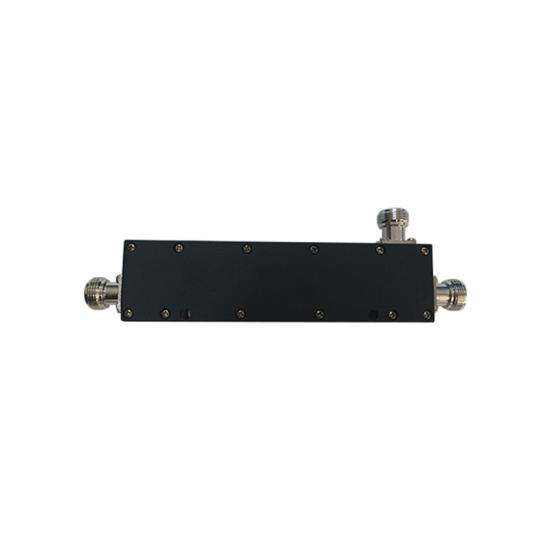
Next, putting the coupler in place right is VERY important. Position can have a lot to do with how much success you have with any job. “If a coupler is sited in the wrong place, then it may not function as well,” Dr. Norman said. One mistake is to sit it near the noisemaking devices. To eliminate these troubles, it’s best to set the device closer to them. Moreover, signal quality can be enhanced by limiting and organizing the cable lengths. High quality cables can ensure strong signal transmission.
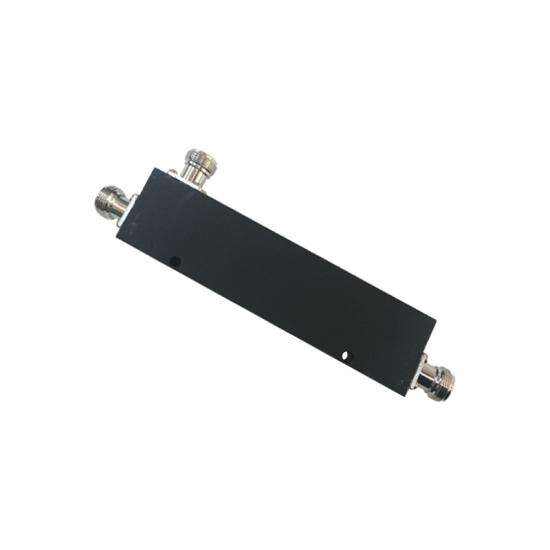
Single hole directional couplers are unique elements that can be used to control signals in electronics. There have been some exciting developments in this technology recently. For instance, numerous new parts are smaller and lighter. That’s fantastic, since it allows engineers to pack in even more gadgets into tinier spaces. One obvious innovation is the use of high tech materials such as ceramics and new plastics. These materials serve to improve the performance of couplers, while even when it is difficult apply them. Some couplers even come in better-built designs that work a lot more efficiently. That is, they’re able to process more signals at any one time without getting them confused. Jindasignal, as an example of such improvements, is developing couplers in their ability to make noise with high frequency. Even more relevant today are devices that currently need a clear signal in order to work. Another cool thing is where there couplers are made. New manufacturing technologies have made it possible to make them with a higher degree of precision. That’s to say they work more effectively and last longer. Similarly, new directional couplers also include embedded functionalities for signals monitoring. This also makes it easier for technicians to test that everything is working as it should. In conclusion, the most recent advances in single hole directional couplers are centered on the size and material along with efficiency and intelligence, which will make it a much developed instrument for modern electronics.
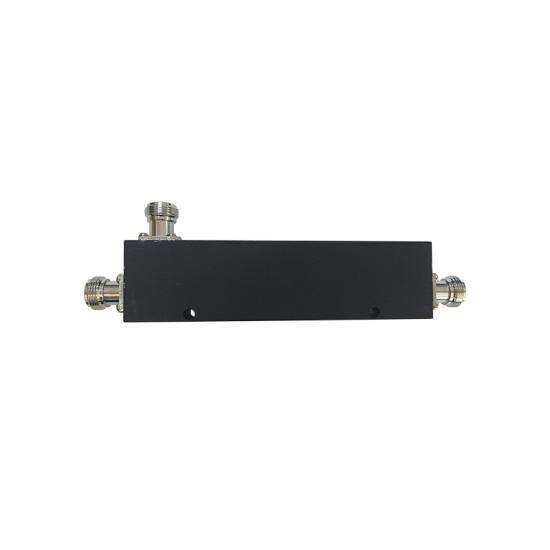
Signal integrity is concerned with ensuring that signals remain clean and strong as they are transmitted through devices. Single‐hole directional couplers are central to this. They act to split apart different signals, so that one does not interfere with another. That's especially important for a lot of devices, think smartphones and computers. Quality of sound or video can suffer when signals get crossed. Transmission: You can get the M8 coupler from Jindasignal, and have a clean and clear signal. These couplers function to pass a strong signal, while sending a smaller portion through another line. This serves to preserve the signal quality. Moreover, they minimize reflections, which can occur when a signal rebounds. Distortions and loss of information may be induced by reflections. One hole directional coupler Engineers can use a single hole type directional coupler to design systems that preserve signal power and high quality. Moreover, such couplers are designed to cover large band virgin ranges. This makes them compatible with many devices. And so, whether you’re connected to high-speed internet or able to enjoy a clear phone call, the couplers keep signals from degrading and offer improved overall performance for the users.

Copyright © Shenzhen Jindasignal Technology Co., Ltd. All Rights Reserved.
 EN
EN