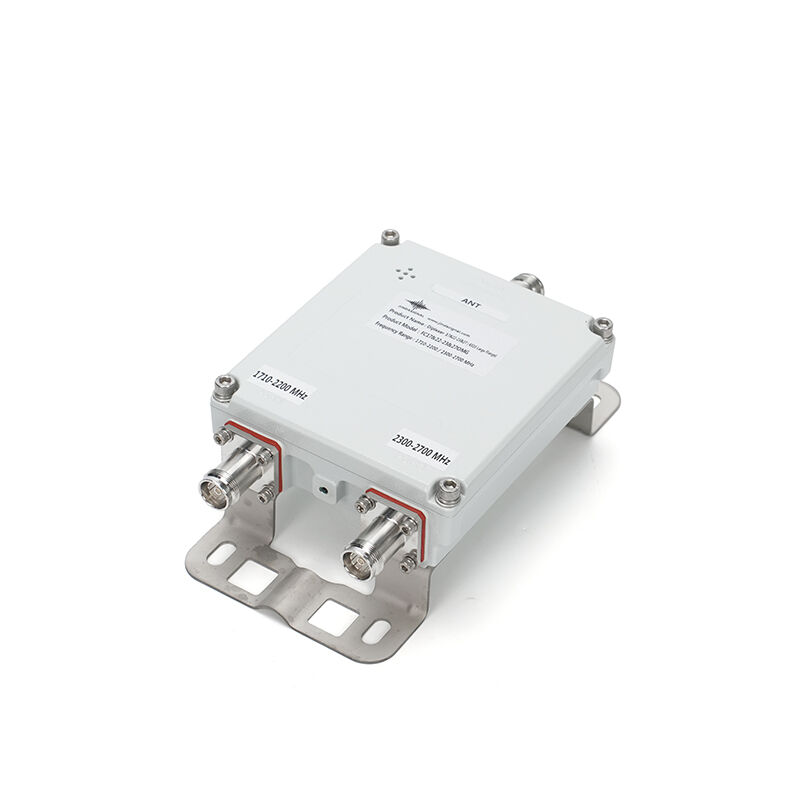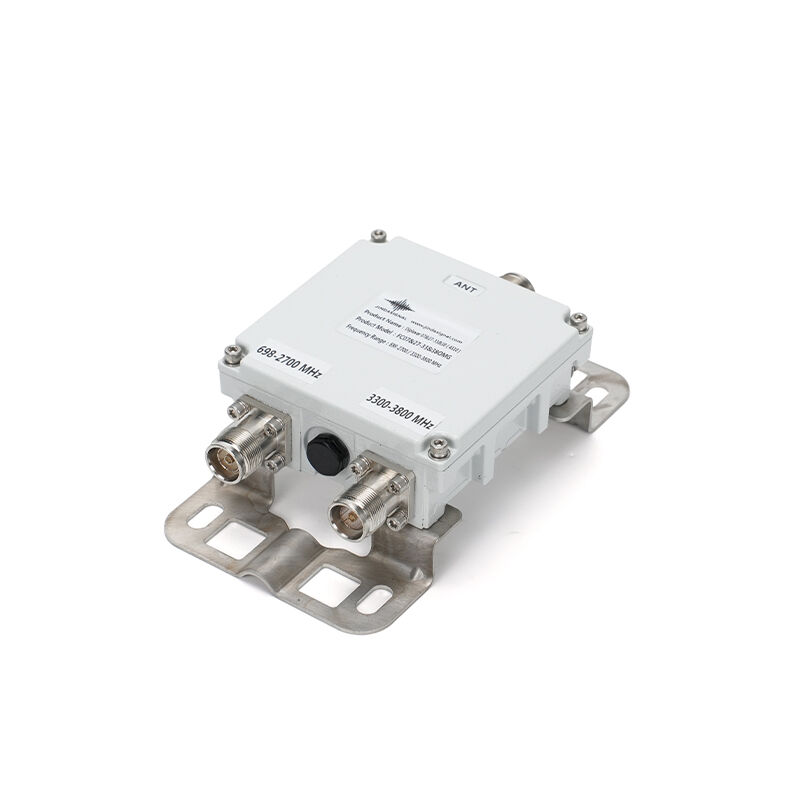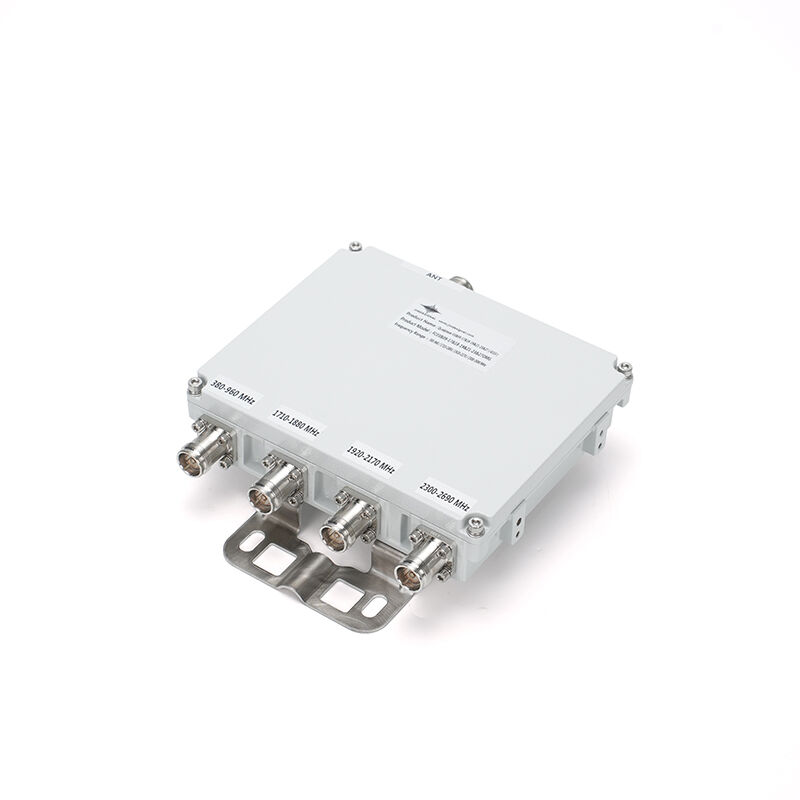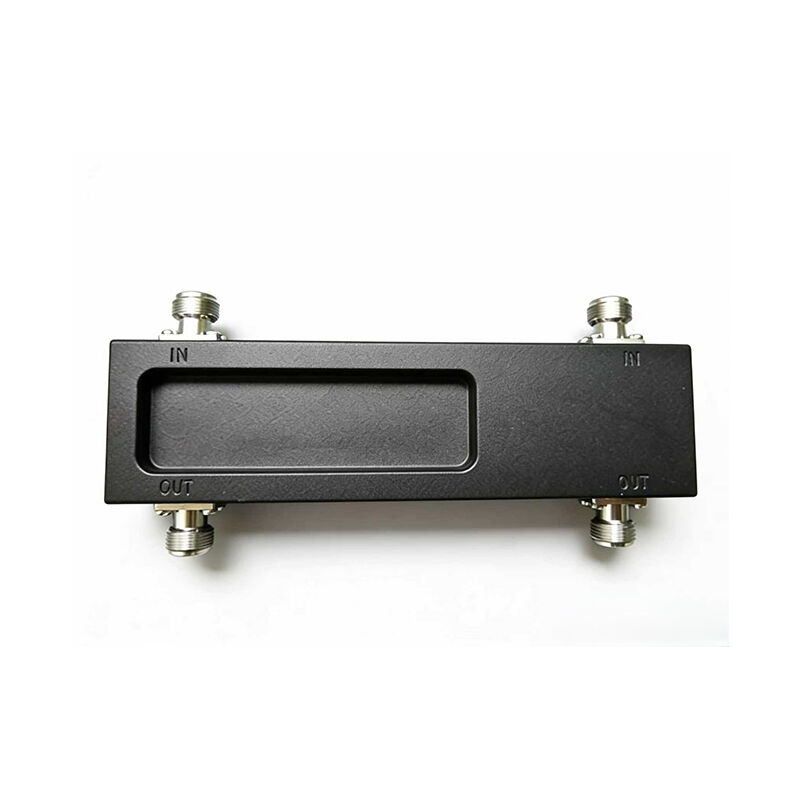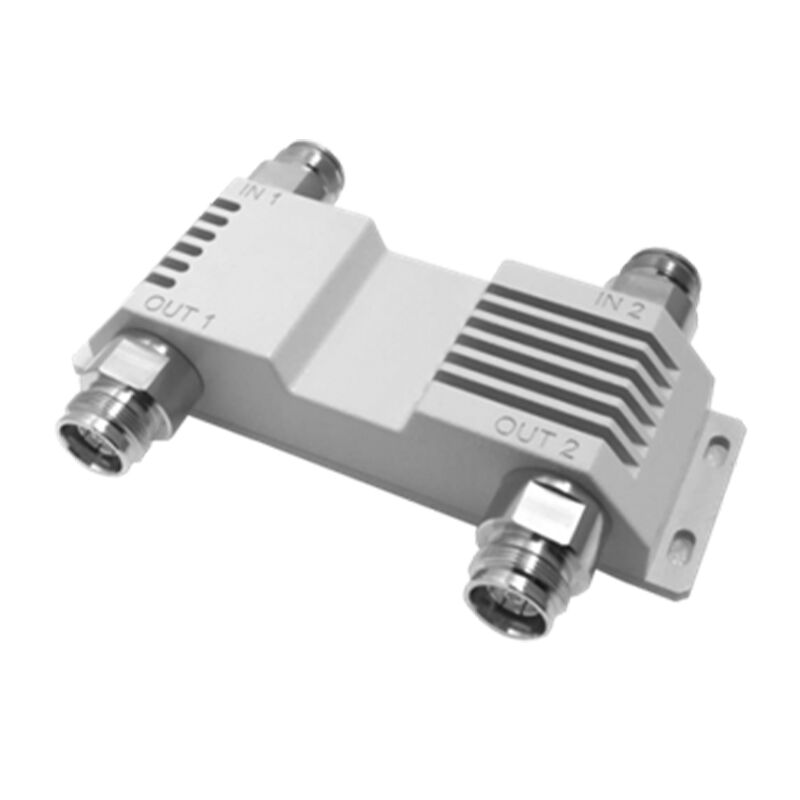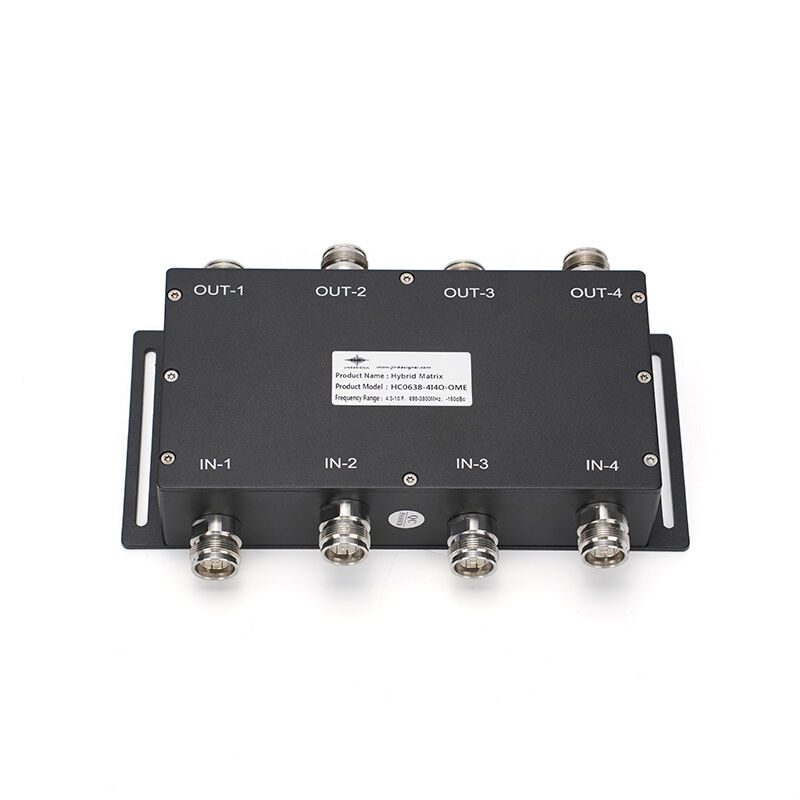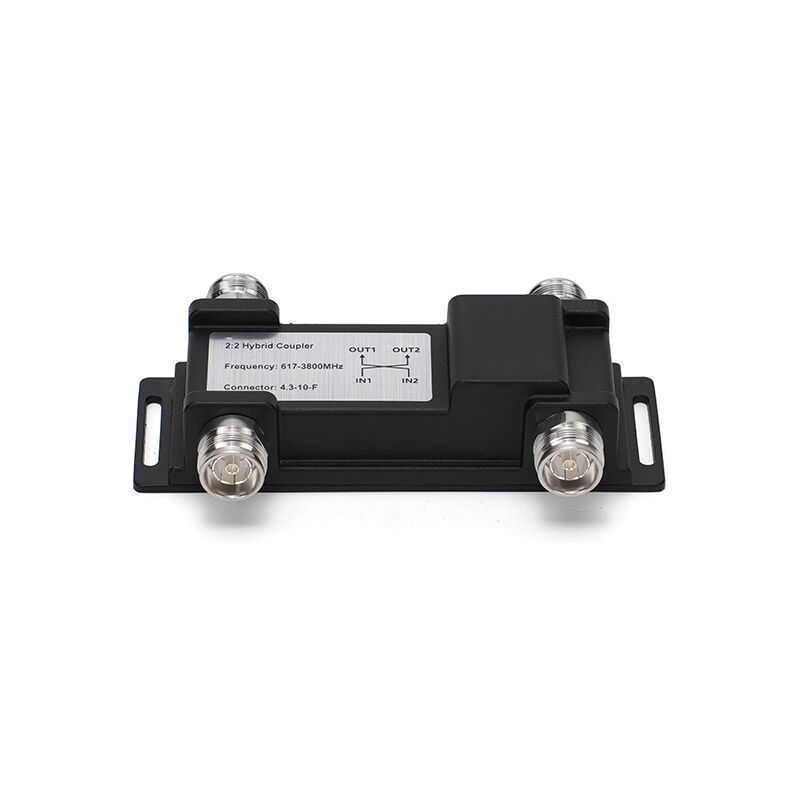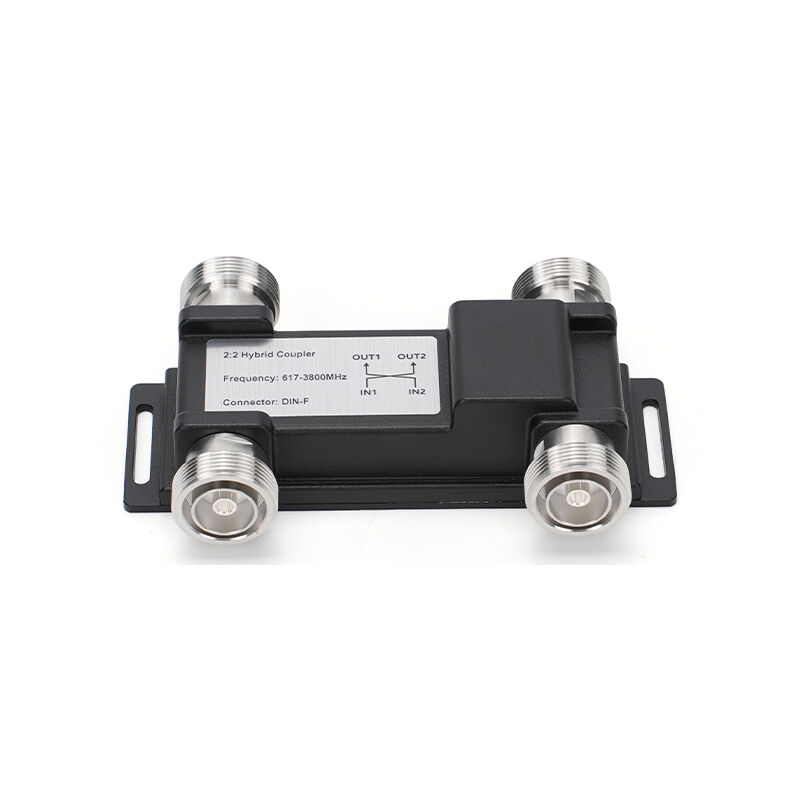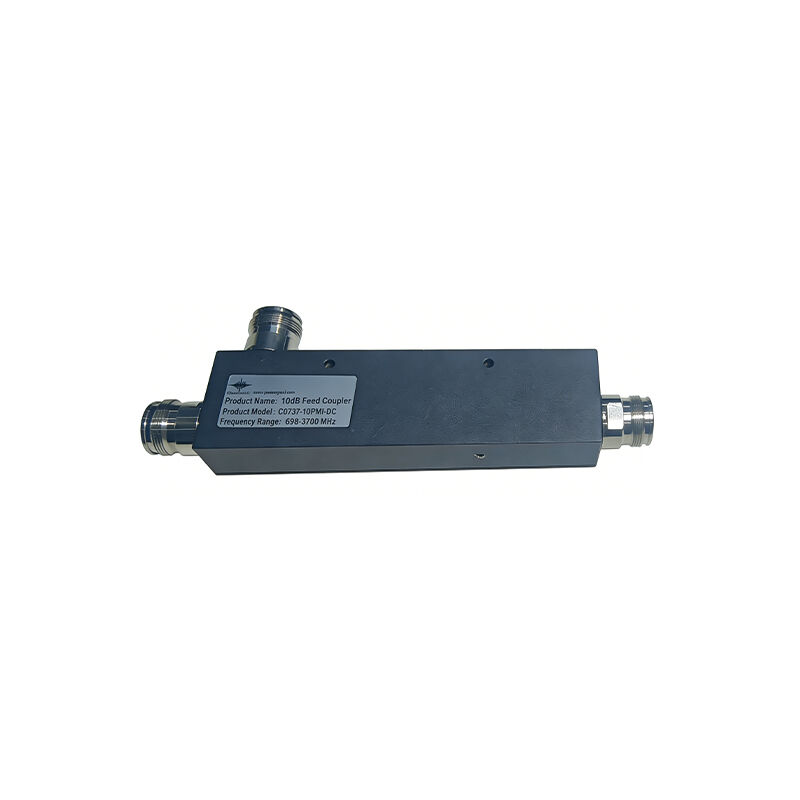
The hybrid power divider is a key component in the commercial electronics. You may be wondering what that means. Essentially, this is designed to distribute power from one source into five outputs. Think of it as a fork that divides up a single strand of spaghetti into little bites for everyone sharing the table. It absorbs power at one source and brings it to other paths, or lines. That’s important for radio frequency (RF) technology and devices using it such as radios, phones and other things we use every day. The poor-man’s-non-Bluetooth-POTIO (Portable Open Thermal Imaging Optronic) – Jindasignal There actually is a company which does build these devices. They know the importance of good, stable power distribution and how these signals play into modern technology operation. If you're looking for a reliable option, consider the Hybrid Coupler HC0638-2I2O-OMH as a solution.
What is a Hybrid Power Divider and Why You Need it in Your Applications? Hybrid power dividers are produced using a combination of resistive and reactive technology. Let's break that down. If you use a resistive power divider, it will divide the power equally but may waste some energy. Between the two, while a reactive power divider can waste as little as the quarter-wave transformer but not divide power uniformly. Combining both of those techniques makes for the best of all possible worlds! It makes it extremely convenient for anyone that has to transmit signals to various equipment. A cell tower, for example, may use a hybrid power divider. These tower sites require powerful signals to be picked up by a large number of handsets at the same time. If power is not divided properly, some phones may not receive the strongest signal. Great, trying to make a phone call but it keeps dropping! That would be frustrating, right? So, the use of a hybrid power divider ensures that all users can obtain good signals and communicate to each other. And, in industries such as broadcasting, these dividers help send precise signals great distances. Jindasignal goes the extra mile to make sure these devices will work in harmony, and that’s critically important for apps working at specific frequencies.
Why Choose Hybrid Power Dividers for Your RF Needs? Hybrid power dividers is the best choice for RF systems because it can accommodate a wide range of frequencies making it an extremely versatile product. Technology moves fast in this rapidly changing world. Devices must be able to hook themselves up and talk straightaway. Weak or lost signals can have larger consequences, like dropped video calls and patchy service. Hybrid separators contribute to keep a good connection. They are made with flexibility in design. Employ them on all manner of devices, be it a hand-held gadget or larger telecomm equipment. What’s more, they are customizable, a range of sizes and arrangements can be fitted. Which is to say: Companies can tailor them to their precise wishes! On top of that, they are capable to handle very high level power without a glitch. Ever wonder why sometimes a device gets really hot when it’s been running for awhile? Hybrid partitions do their best to prevent this by regulating heat efficiently. Jindasignal is a provider of hybrid power dividers that satisfy these stringent requirements. This means that their customers can trust them to deliver great sounding products, even when the odds aren't in their favor. On the whole, hybrid power dividers play a crucial role as one of the jigsaw parts in RF technology from which stable connections may be retained and efficacy can be improved. If you're interested in specific models, check out the Hybrid Coupler, 4 in 4 out 698 - 3800MHz.
When you want to find the best hybrid power divider, you should think about what you need. "But to begin with, you've got to understand what a hybrid power divider is." It’s a device that takes one signal and spits out two or more of it. These components may be transmitted to other devices. If you want a hybrid power divider, look for the number of outputs that work best for you. If you want to divide the signal between two devices, you can use a 2-way power divider. However, if you are planning to utilize four devices to capture the signal then seek a 4-way power divider. There is also the issue of frequency range. You should know which signals you will be receiving. Frequency can vary from the low to high, and your divider must perform comfortably across its entire range. Note that you ll want to find a hybrid power divider with the same frequency range coverage of your other equipment.
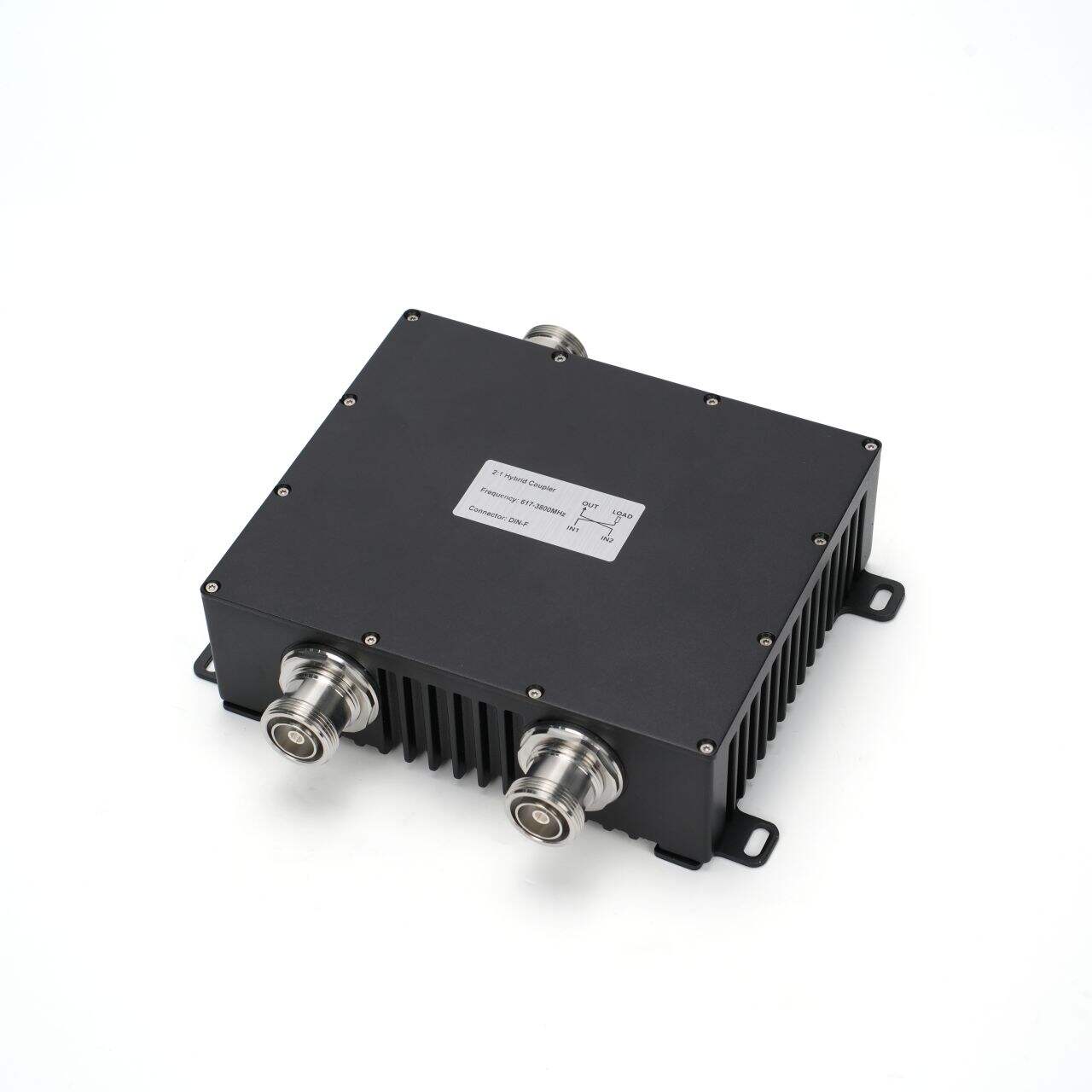
Also, consider how much power the device can handle. This is how much power the divider can withstand without damage. If your devices don’t like the power levels coming out of the hybrid power divider, that can spell doom and destruction. Jindasignal provides different power splitters with varying acceptable power handling capabilities for various applications. Secondly, think about the connectors you require. Connectors are where the enclosure hooks up to other gear. You’ll need the plugs to match nice with your equipment. Finally, you should also consider the environment in which your hybrid power divider will be placed. Is it a hot place or is there something wet? There are some hybrid power dividers that are intended to work better under hard conditions than other ones. With these considerations in mind and by seeking help when necessary, you can select the proper hybrid power divider for your individual application.
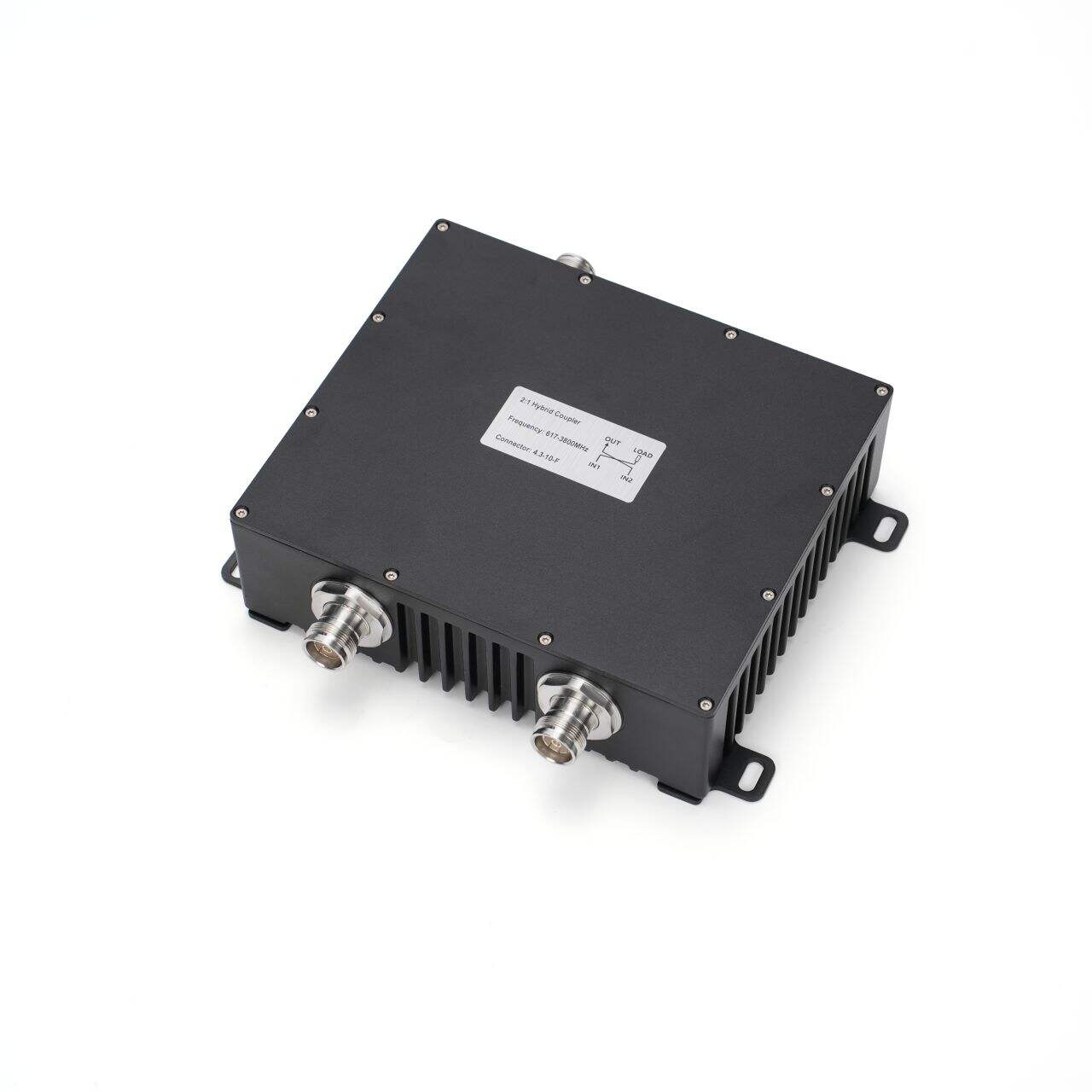
Hybrid power dividers can also be useful, but issues can occur. Signal loss is one popular problem. This occurs since the signal is effectively attenuated when it passes through the divider. To minimize this it is necessary to choose a hybrid power divider with low insertion loss. Insertion loss is the measurement of how much signal you lose while it traverses your device. Hybrid Power Dividers By Jindasignal strives to minimize signal loss so your devices can work together. Yet another issue can be power differentials. If the power is not fully balanced between outputs, some devices receive more signal than others. Counter this by selecting the best in quality hybrid power divider with equal power division.
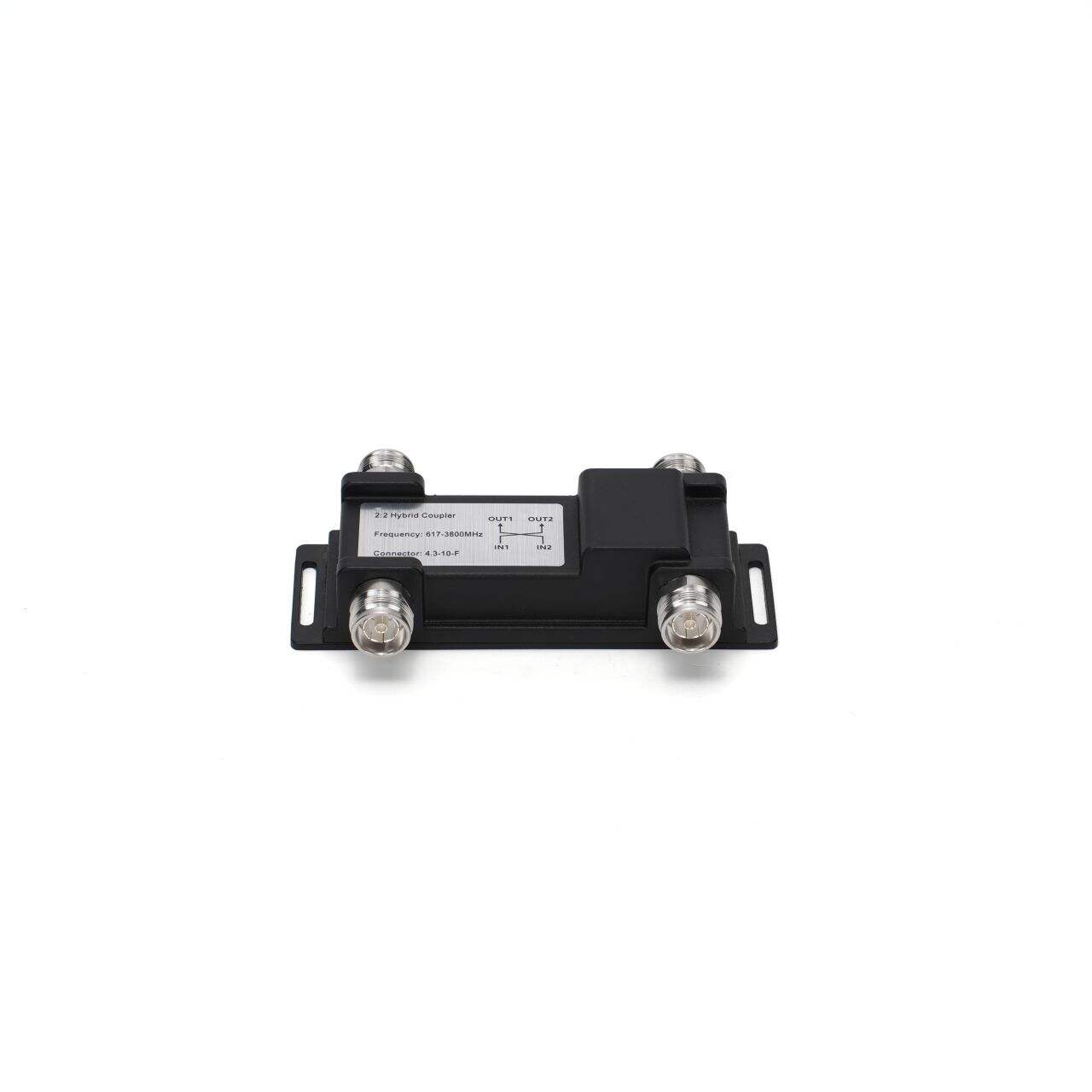
Another issue is mismatched impedances. This creates a nonsynchronous state between the input and output devices resulting in reflections and signal loss. It is necessary to know the impedance level of all the components you are using and make sure they correspond with the hybrid power divider. On Jindasignal, some product introductions can help you understand how to make the correct impedance choice. And then there's the wear and tear of use over time. Perform routine checks of your hybrid power divider to confirm operation. Clean the contacts, visually inspect for physical damage, and reconnect with firm pressure to solve any existence issue. Keeping these pointers in mind as well as other common usage concerns, it will be easier for you to take advantage of what hybrid power dividers have to offer.

Copyright © Shenzhen Jindasignal Technology Co., Ltd. All Rights Reserved.
 EN
EN