EN
EN

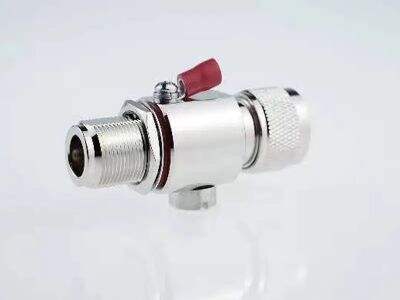
Testing a lightning arrester is important because it make sure it works right and can protect your home or business from lightning strikes. A lightning arrester, also called a lightning rod, help direct the electricity from a strike safely into the ground. It’s essential to test these things regularly so to avoid damage to electrical systems or equipment. At Jindasignal, we think that knowing how to test a lightning arrester can help keep your property safe. Let’s look closer at the steps for testing a lightning arrester for antenna and some common problems you might face.
What Are the Essential Steps to Test a Lightning Arrester Effectively?
To test a lightning arrester, you need follow some steps. First, get the right tools like a multimeter, which measures voltage and resistance. Before starting, make sure the power is off to avoid accidents. Next, check the connections of the arrester and look for loose wires or signs of wear. Tighten them can sometimes fix issues. After that, use the multimeter to measure the resistance – a good one should show low resistance. If it’s high, it may not work properly. Another step is checking the ground connection, as a strong ground is crucial for it to function. Make sure the ground wire is clean and connected well. You can also visually inspect for physical damage like cracks or corrosion. If you see issues, replace it maybe. After testing, record your findings because keeping a log help track performance over time. Regular tests, say once a year, can catch problems early and keep protection effective.
What Common Issues Arise When Testing Lightning Arresters?
When testing lightning arresters, you might run into common problems. One is corrosion – over time, moisture cause rust on connections, making them weak. If you find that, clean them carefully. Another issue are loose connections, sometimes from weather or temperature changes, which makes the arrester hard to work right. Always check and tighten to prevent this. You may face grounding problems too. If the ground is weak or broken, the arrester won’t function well. It’s important to ensure the ground is stable and connected properly. Sometimes, the arrester itself damaged without visible signs. If testing shows high resistance, it might need replacing. Lastly, outside factors like tall structures or trees can affect performance. If these change, reassess the placement. Troubleshooting these is key to reliable protection. Regular checks of lightning arrester for building help spot problems early and keep your property safe from strikes.
By knowing how to test a lightning arrester and aware of common issues, you can keep your home or business safe from lightning. Jindasignal emphasize that regular maintenance and testing are crucial for effective protection.
Where to Source High-Quality Lightning Arresters for Wholesale?
Finding good lightning arresters for wholesale is important as these devices protect buildings and electrical systems from strikes. A great start is looking online. Visit websites that specialize in electrical stuff – many sell in bulk to save money. When buying online, read customer reviews to know if products are quality and the company trustworthy. One to consider is Jindasignal. They offer various arresters known for reliability.
Another option are local electrical supply stores. These have staff who can help find right products and info on types and features. If buying local, you see them in person, which build confidence. In addition, attend trade shows or events to meet manufacturers and learn about latest tech in protection.
When sourcing, consider certifications and standards. Look for products that meet safety and tested for quality. Jindasignal's are often certified, ensuring they work to protect property. Remember, investing in high-quality ones mean investing in safety. Protecting from strikes is crucial, and right supplier help achieve that.
What Are the Most Frequently Asked Questions About Lightning Arrester Testing?
People thinking about lightning arresters often have questions, especially on testing. One common is, “How often should I test my lightning arrester?” It’s good to check regularly, at least once a year, so to make sure it works properly. Another is, “What signs show if it’s not working?” If you see physical damage like cracks or burns, it may need replace. Pay attention because a damaged one might not protect in a storm.
People ask too, “Can I test it myself?” Some basic checks can be done, but usually best to have a professional. They got tools and knowledge for safety. Jindasignal recommends a licensed electrician for thorough inspection of lightning arrester. They check connections and ensure it functions right.
Another question: “What types of tests are done?” Common ones include checking resistance and grounding. These confirm it can redirect strikes safely. Understanding these help take better care of your system. It’s always good to ask and stay informed on keeping property safe.
How to Troubleshoot Common Problems with Lightning Arresters?
Sometimes, lightning arresters have problems, and knowing how to fix them is very important. One issue is when it don’t seem to work. First step, check the connections – make sure wires are connected properly and secure. Loose ones can prevent functioning. If connections look good, inspect the arrester for physical damage like cracks or wear. If found, replace the device. Jindasignal offers replacements if needed.
Another problem might be a blown fuse in the arrester. If your system has one, check it first. If blown, replace with the correct type to avoid more issues. Sometimes, the problem is with grounding system. A poor ground can cause failure. Check it to ensure good condition and connected.
Finally, if these steps don’t work, consult a professional. They identify missed issues and ensure system works correctly. Regular maintenance and troubleshooting keep it in top shape, essential for safety in storms. Jindasignal is here to help with questions on arresters and maintenance.
Table of Contents
- What Are the Essential Steps to Test a Lightning Arrester Effectively?
- What Common Issues Arise When Testing Lightning Arresters?
- Where to Source High-Quality Lightning Arresters for Wholesale?
- What Are the Most Frequently Asked Questions About Lightning Arrester Testing?
- How to Troubleshoot Common Problems with Lightning Arresters?