 EN
EN

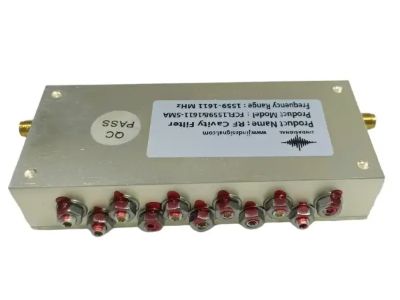
When it comes to wireless networks, get the right parts are very important. RF passive components, which include stuff like filters, couplers, and splitters, play a big role in how good these networks run. At Jindasignal, we know that meeting the ETSI and FCC standards is a must for folks in the wireless field. These standards help make sure all parts work together well and don’t cause interference. By using meeting-standards passive rf filter components, we can help make wireless networks quicker and more dependable. This piece will talk about what wholesale buyers need to know on these components and how to improve wireless networks using them.
What Wholesale Buyers Need to Know About RF Passive Components for Wireless Networks?
If you a wholesale buyer, you should know that RF passive components is key for building solid and efficient wireless networks. These parts don’t need power to operate, but they are vital for guiding signals to where they supposed to go. For instance, filters can remove unwanted signals and noise, so the network get clearer and speedier. It’s crucial to pick components that follow ETSI and FCC standards to ensure they safe and work well. These rules set limits on how these parts should perform, because they don’t interfere with other devices.
And when you buy RF passive components, think about the frequency range they handle. Different networks run on various frequencies, and picking the right ones can make a huge difference in how they perform. Also, go for products with high quality. High-quality components last longer and do better, so you won’t replace them so often. Jindasignal offer a wide selection of RF passive components that meet all needed standards. We also make sure our products get tested hard to guarantee the quality for high-performance networks.
Another thing to think is the design of the components. Some RF passive components are made compact, which save space in your setup. Others might have special traits for certain uses, like dealing with high power or stopping signal loss. The more you learn about the components, the better picks you can make for your wireless needs.
How to Improve Wireless Networks with Meeting-Standards RF Passive Components?
Improving wireless networks is about ensuring signals are strong and clear. One way to do this is by using meeting-standards RF passive components. First, consider the layout of your network. The placement of these parts can really affect signal quality. For example, putting a splitter too far from the main line weaken the signal. So, try keep components close to where they needed.
With this, regularly check the connections is important. Loose or rusty connections can cause issues. By using good RF passive device components from Jindasignal, you can ensure your connections stay solid and reliable. And don’t forget maintenance on your gear. Regular checks can stop problems before they start, keeping your wireless network smooth.
Using components that meet ETSI and FCC standards also help cut down interference. Interference can slow networks or drop connections, which frustrate users. Choosing meeting-standards components mean you get products tested for reliability and performance. This create a better experience for network users.
That’s why, keep watching for new stuff in RF tech. New components may give better performance or extra features that help your network. Staying updated will let you decide better on design and upkeep. With Jindasignal, you find the newest and most reliable RF passive components to improve your wireless network good.
What Are the Key ETSI/FCC Standards for RF Passive Components?
When dealing with wireless networks, it’s key to get the rules from groups like ETSI (European Telecommunications Standards Institute) and FCC (Federal Communications Commission). These org set standards that ensure devices work well and safe. RF passive components, such as antennas, filters, and connectors, must follow these to function right in wireless networks. For example, ETSI standards make sure devices handle certain frequencies without issues. FCC rules ensure devices don’t mess with other signals and meet safety needs.
A main part of these standards is that RF passive components be reliable. This mean they work over time and don’t break easy. The ETSI and FCC give guidelines for testing these parts to check performance. This include checking signal transmission and energy loss. Jindasignal get these standards and make sure all our RF passive components meet or beat them. By sticking to these rules, we help customers build wireless networks that strong and trustworthy.
In addition, these standards help lower interference. When lots of devices in one area, they can bother each other. By following ETSI and FCC standards, we ensure our components don’t make unwanted signals that disrupt talk. This is extra important for cell phones and Wi-Fi, where clear signals needed for good operation. In short, knowing and sticking to the key ETSI and FCC standards for RF passive components is vital for improving wireless networks.
Where to Get RF Passive Components That Meet Industry Standards?
Finding the right RF passive components that meet ETSI and FCC standards is crucial for effective wireless networks. One top source is companies like Jindasignal. We focus on making components that follow industry standards. When searching for RF passive components, pick suppliers known for quality. Check if they have certs showing they meet ETSI and FCC.
You can start with online spots for electronic parts. Many let you filter by standards. Look for products labeled as meeting ETSI or FCC. Also, read reviews to see if customers liked them. It’s smart to ask for samples before big buys, so you test if they work as said.
Another way is going to trade shows or events. These let you meet makers and see products up close. You can ask questions and learn about new RF tech. Jindasignal joins these often, to show our meeting-standards components and meet customers. So, getting RF passive components that meet ETSI and FCC can come from trusted makers, online sites, and events, to get the best for your networks.
What Are the Benefits of Meeting-Standards RF Passive Components in Wireless Improvement?
Using RF passive components that meet ETSI and FCC standards bring lots of benefits for wireless network improvement. First, they help make signals strong and clear. When network parts work right, users get better connections. This mean calls, texts, and browsing go smooth without breaks. For Jindasignal, making high-quality components is top because we know reliable talk is important.
Another plus is that meeting-standards RF passive components cut interference. In crowded spots with many devices, interference can block signals. By using parts that follow standards, you less these problems. This make a smoother network where devices talk easy. Folks get faster speeds and clearer calls, improving their use.
Moreover, meeting-standards components save cash long-term. They might cost more at first, but last longer and need less fix. When you buy quality from Jindasignal, you avoid breakdowns or swaps. This mean less hassle and more time for work or fun.
To wrap up, using RF passive components that meet ETSI and FCC standards is key for improving wireless networks. They ensure strong signals, cut interference, and save money over time. At Jindasignal, we commit to giving meeting-standards components that help customers get top performance in their wireless networks.
Table of Contents
- What Wholesale Buyers Need to Know About RF Passive Components for Wireless Networks?
- How to Improve Wireless Networks with Meeting-Standards RF Passive Components?
- What Are the Key ETSI/FCC Standards for RF Passive Components?
- Where to Get RF Passive Components That Meet Industry Standards?
- What Are the Benefits of Meeting-Standards RF Passive Components in Wireless Improvement?
