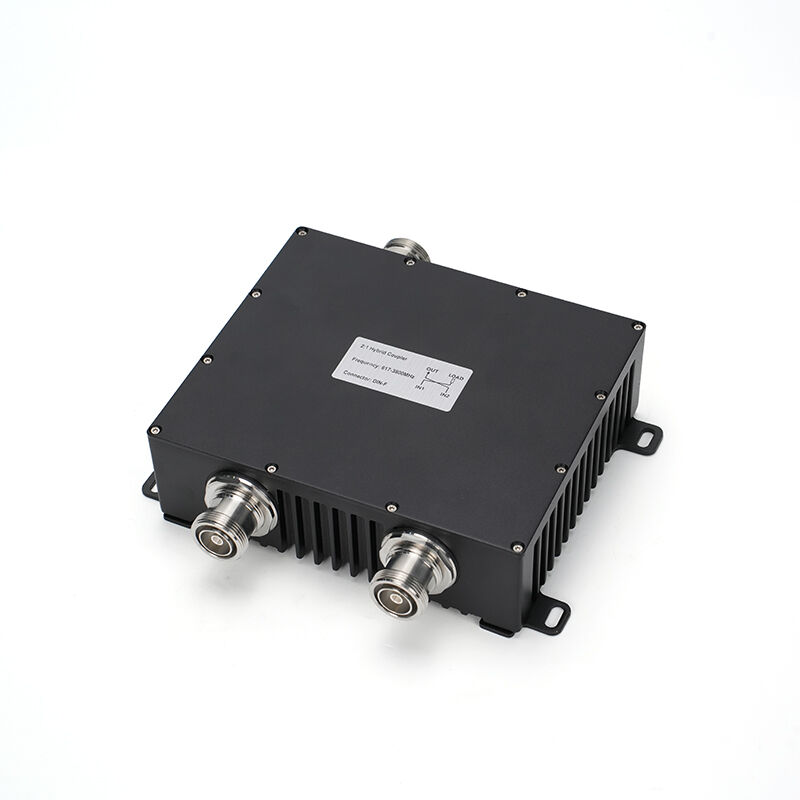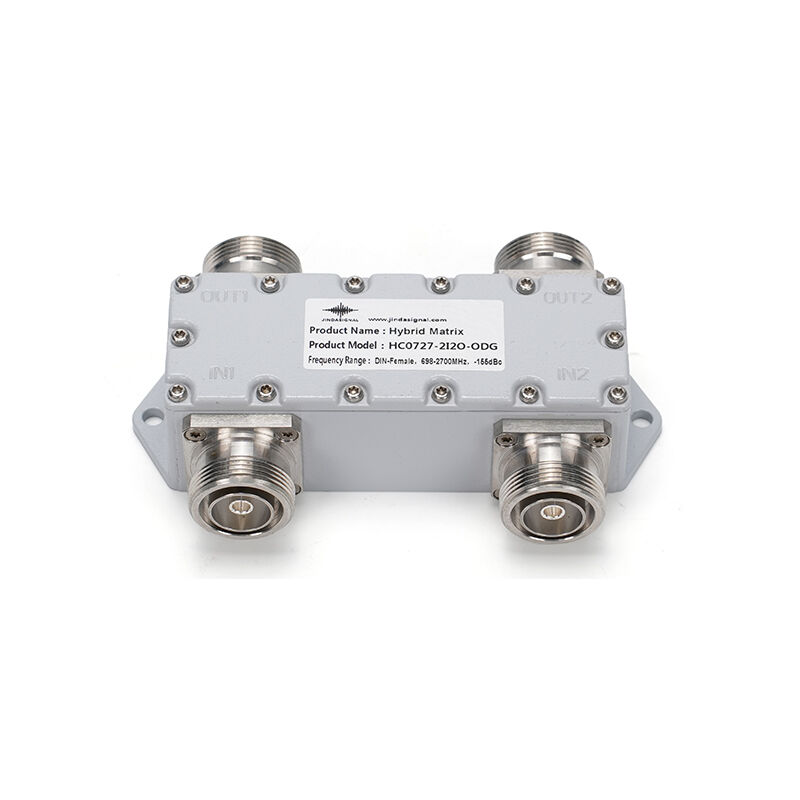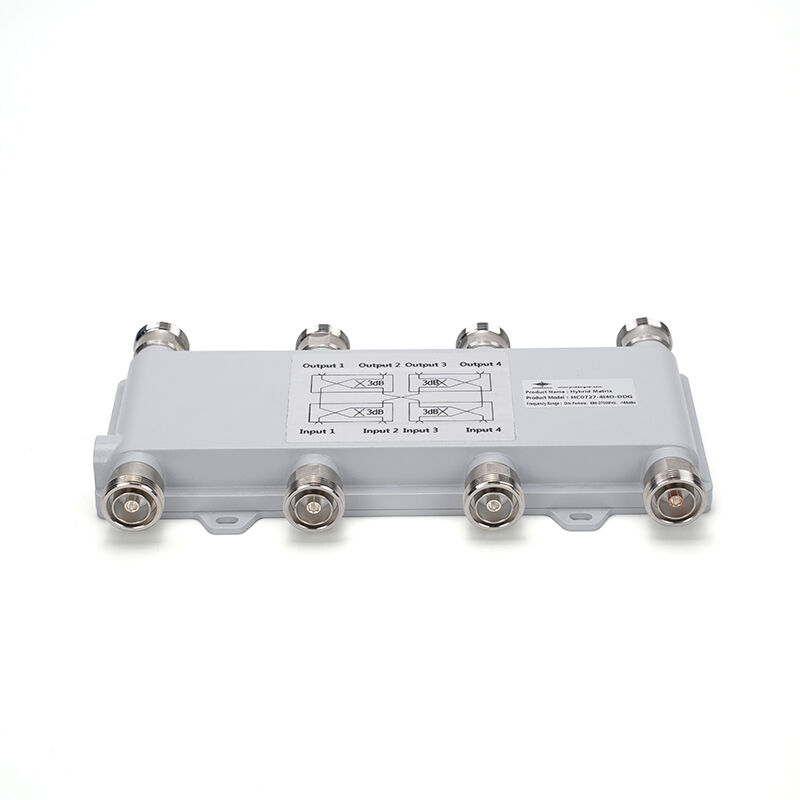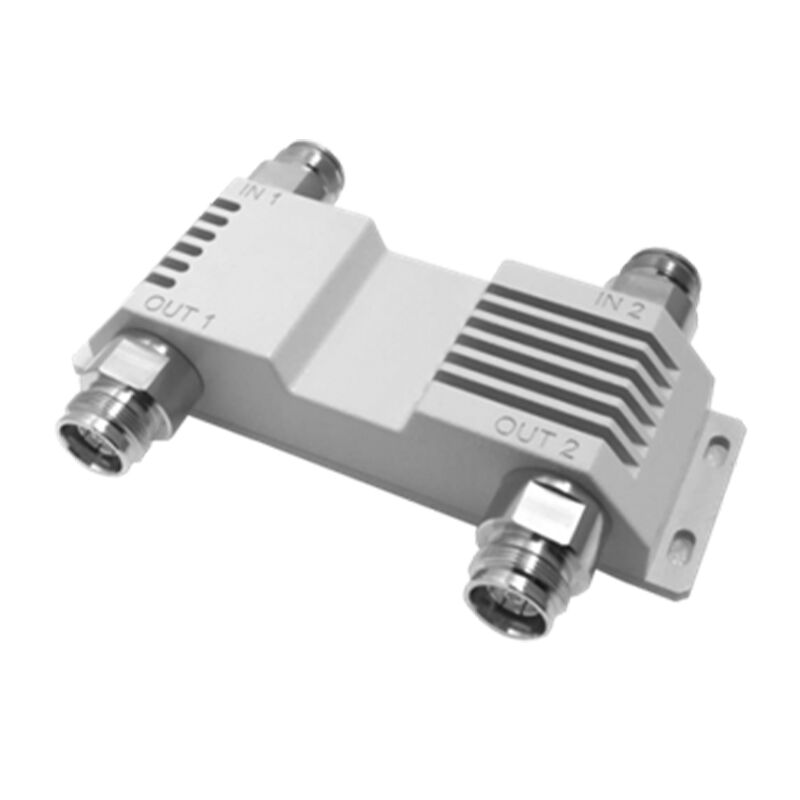
So when searching for a 2-way power splitter, you should first be aware of your needs. First, let's think about the kind of signal you're working with. Different splitters serve different signals. For example, a splitter designed for a television signal could perform poorly when used with a Wi-Fi router. Would also be good to remember the splitters power-handling. This is you measure of how much energy the splitter can take before it breaks. Splitters are available with different power specs from Jindasignal. Make sure your selection falls within those boundaries. After all, you don’t want a strong signal to be mucked up by a weak device. Also, where you slap that splitter matters. Is it indoors or outdoors? Not all of these splitters are designed to be used outdoors. So if you need one for antennas you put on the roof, pay attention to that. Additionally, check the connector types. May require specific connectors for other devices. About Jindasignal We provide different connectors to meet your unique needs. And finally — read reviews or contact experts. This tells you how good a splitter works. The choices are numerous and it can be hard to choose. But it will be easier if you know what matters
Even a perfect power splitter can have problems. A typical problem is the loss of signals. If you use a splitter, your signal may degrade. This is called insertion loss. This is happening because it oscillates the signal. So if the original signal is too weak, you won't get one from the thing-it’s-attached-to that works well at all. Other common problems :- Physical damage is another common way drives fail. Sometimes, cables get tugged Power Divider/Power Splitter or the splitter gets jostled. This can result in breaks or bad connections. Shut down your devices gently. Frequent screwing and unscrewing also can lead to failures, as can incorrect installation. Ensure that the splitter is properly installed, with cables firmly attached. Splitters aren’t all created equal. Low quality splitter may resulting problems, such as signal interference and noise. If the splitter is for televisions or internet and you are getting web pages slowly loading or screens, then it may be a problem with the splitter not working properly. If you do see these sorts of problems, it’s certainly be worthwhile to take a close look at the splitter. Finally, do mind the weather if you’re using the thing outdoors. The performance can be affected by heavy rain or extremely hot temperatures. I knowing these issues basically help you take better care of your equipment
Having trouble with your 2-way power splitter? Here are some simple steps to help get it working. First, check all the connections. A loose cord can make the signal weak. Also make sure everything is plugged in properly, and that there are no bent pins on the connectors. If the signal is still weak, change the splitter. Sometimes the device is part of the problem. If you have access to a known good splitter, testing with that can narrow it down. Otherwise, if it all looks good the splitter itself may be bad. Another valuable consideration is to identify sources of interference. Diguiter influences may be disturbed by other electronic equipment in the vicinity. Keep the splitter isolated from such kind of devices for best performance. If you’re outside, think about weatherproofing your splitter. Even just giving it a protective case can dramatically up how well it works in rain or snow. For those types of machines that are located outside, keep checking for wear and tear. You can generally rely on Jindasignal products not to let you down, but monitoring is key if you want to spot issues early. Finally, if worst comes to worst you can always Google search your problem or call in a professional
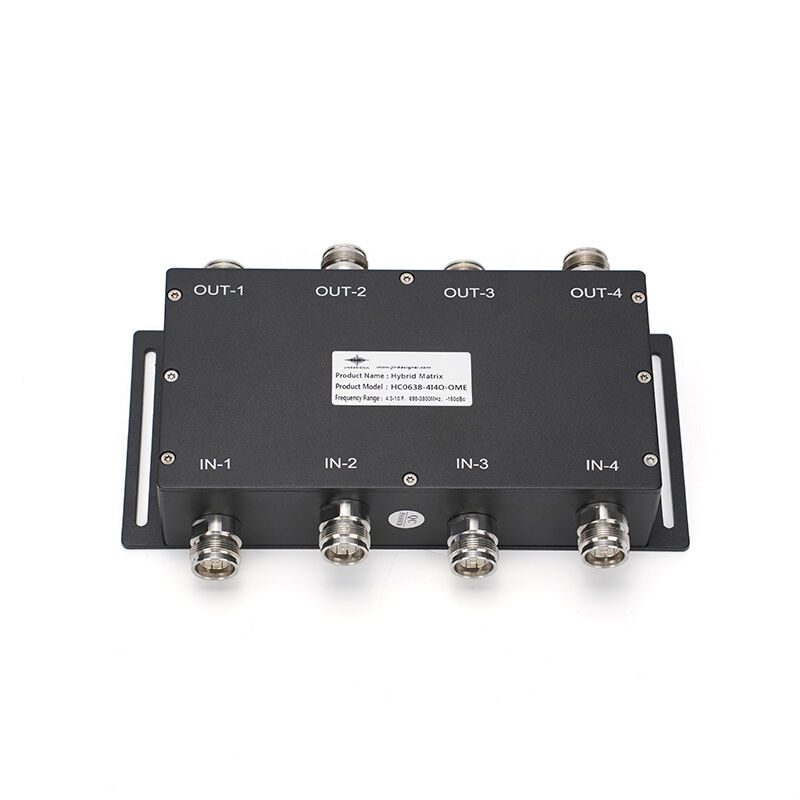
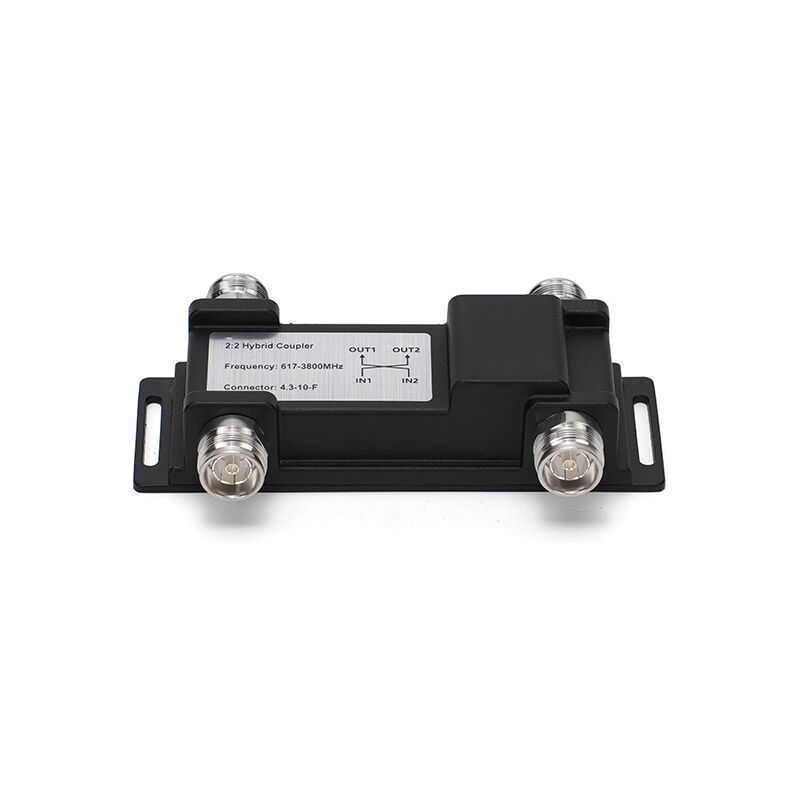
When looking for the ideal 2 way power splitter, you want features as well as specifications that are just what you need. A 2 way power divider is a device used to split a single input signal into two outputs. This can be quite useful in numerous Cavity Power Divider/Power Splitter applications including television signals, radio communication and so forth. The most important characteristic of a good 2 way power splitter is to function properly and do not affect the signal gain. A good splitter will have a balanced output, both outputs of the split signal are nearly equal in strength and quality to that of the original source. We make sure that quality of the signal for our Jindasignal splitters are not compromised in any way, so our users don’t have to worry about anything interfering with their signal strength
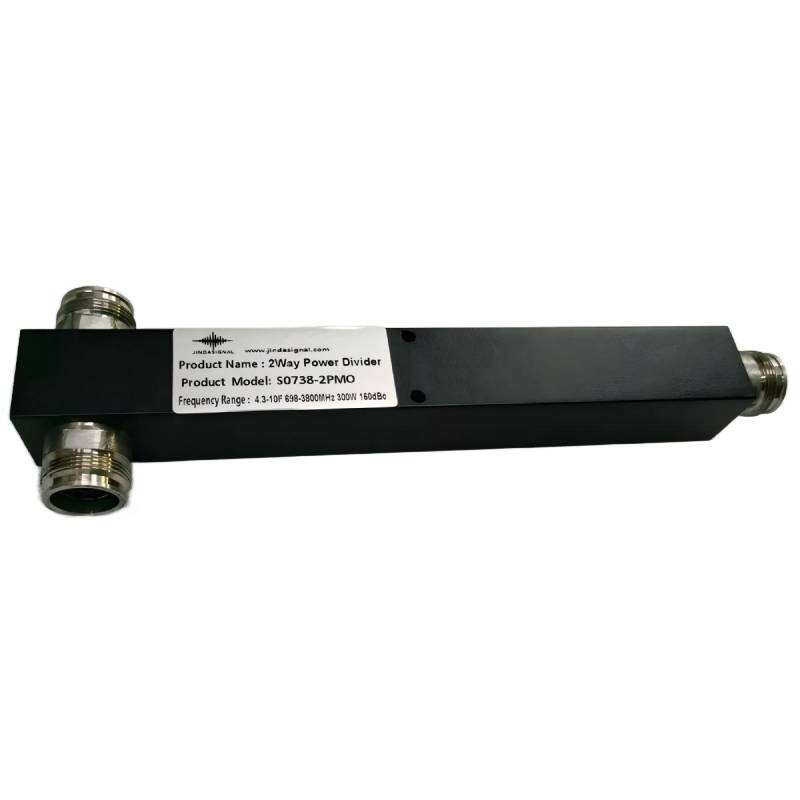
Another important feature is durability. A good splitter will be constructed of durable materials that can handle lots of continued use. This will help in making it serve you for some more years without having to be substituted. The Jindasignal products are constructed from premium materials, and will be ideal for home or industrial use. A decent 2 way power splitter should also be straightforward to install. If it is too Wilkinson Power Divider/Power Splitter complicated, that would just confuse users and even cause them to do something wrong while setting it up. Our splitters are built with user friendliness in mind so that you can connect and share almost instantly. Last but not least, it’s price. A good power splitter should not eat up your wallet, rather deliver you with great performance at a very affordable price. Jindasignal strives to bring you some of the best products at competitive prices, so that you receive much more value
Using a couple (2way power splitter) may sound complicated, but it is actually very easy to-the-man-in-the- street. Here’s a breakdown to get you started. First, collect the tools and materials needed. What you need is the 2 way power splitter, 2 cables for output connections and one cable each to hook up your input. Ensure that the cables are long enough in order to easily connect to your devices. Next, simply locate power splitters the input and output ports on the splitter. The input port is where you will connect the incoming signal and out put ports are where you will connect the devices that you want to receive the split off signal
After you have located your ports, start by plugging the input cable into the splitter's input port. Please make the connection tight enough so that there will not be a loose connection. Then take the first output cable and plug it into one of the output ports. Then attach the other end of that cable to the first item you want it to send a signal. Do the same to connect your other output cable and device in the second splitter 3 way power splitter output port. After connecting both cables, make sure all connections are secured and in there proper place. This keeps problems, like weak signals or static, from cropping up. 5) Now switch your devices on, and see if they receive the signal clearly. If everything is OK, you are finished! If there are still problems, double check the connections or refer to the manual for your specific splitter

Copyright © Shenzhen Jindasignal Technology Co., Ltd. All Rights Reserved.
 EN
EN