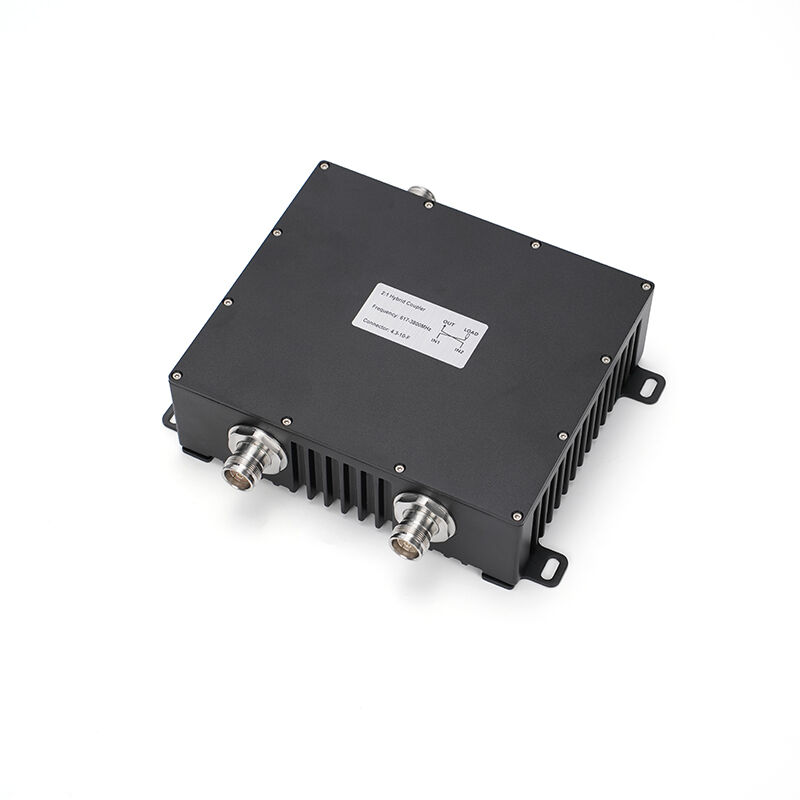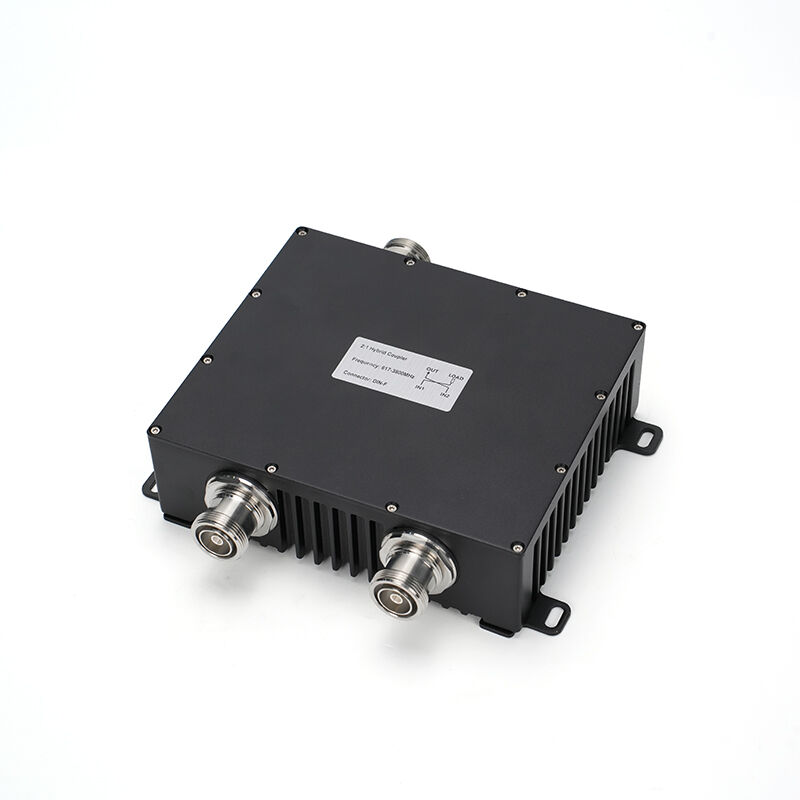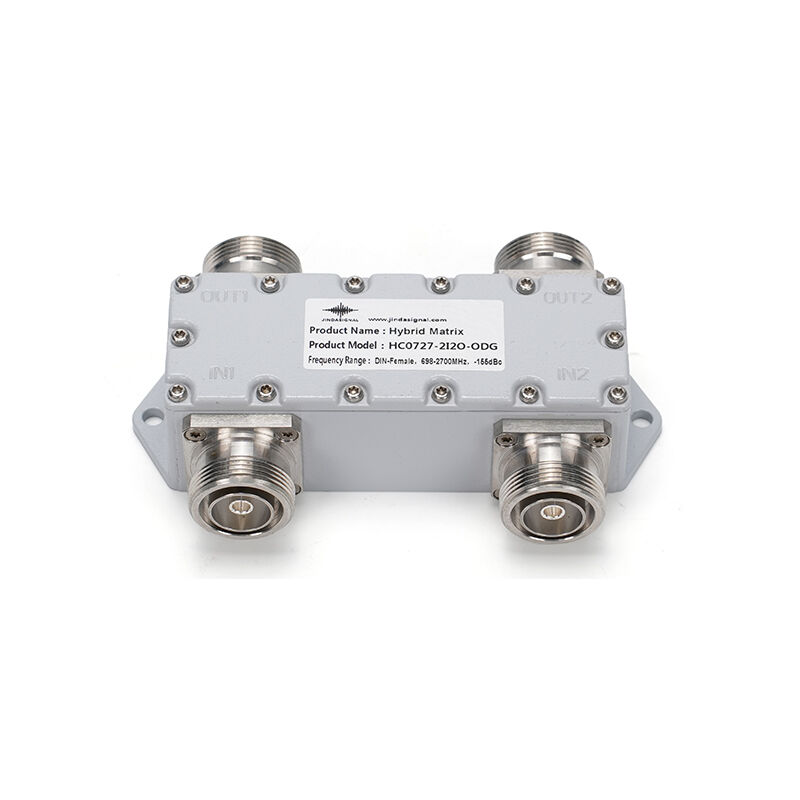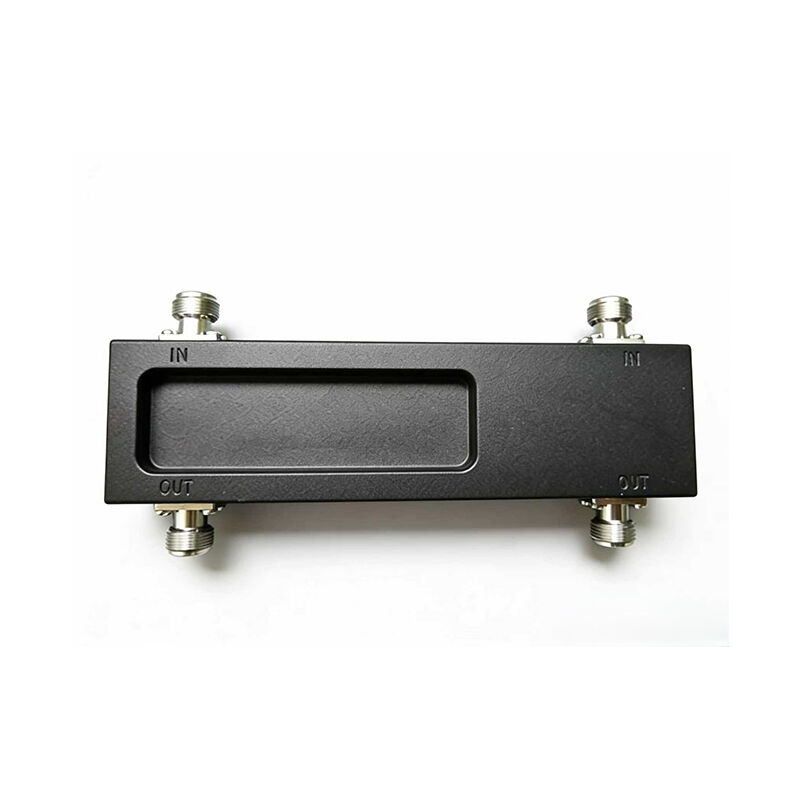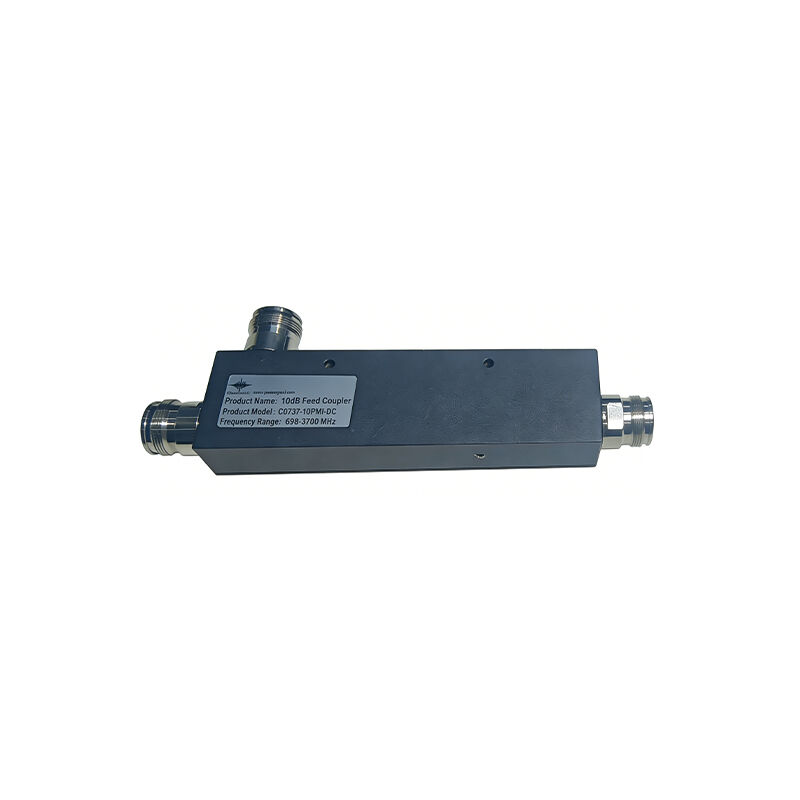
LPF (Low Pass Filter) is one of the most important device in electronics. It allows low-frequency signals to pass and blocks high-frequency ones. This capability is great in the RF system, when we need to minimize noise and interference. The rf filter is widely used in many equipment, such as cell phone, radio and any other communication systems. Without this filter, these radios could pick up interference from signals we don’t want, making it difficult for listeners to hear or for an operator to send a clear signal back. At Jindasignal, we have a variety of quality RF low pass filters that can satisfy various industries.
In reality, there are a few things you need to bear in mind when select an RF low pass filter to ensure that it is the most appropriate one for your specific application. First is to look at the frequency spectrum you will deal with in your application. Some filters perform better at different frequencies. You must know the maximum frequency you want to suppress. So as an application example, suppose you are designing a radio system but and you would like to let signals between 10 MHz to 100 MHz through the circuit while suppressing anything beyond that. Then consider the power level. Some filters do have a higher power capability than others. If you use it in an area with a strong signal, be sure to choose a filter that is built to withstand that power and not break.
Getting reliable, high quality low pass filters using an RF can be a bit challenge as you may not find them in every RF shop or market. First, consider looking online. Many manufacturers, like Jindasignal, do sell products to consumers directly from their websites. Online stores sometimes have cheaper prices because they don’t have all the overheads that a bricks-and-motor shop does. While price-shopping, take the time to read product descriptions thoroughly.
Also, keep an eye out for seasonal sales or promotions. Businesses often discount on some periods of a year. If you receive newsletters from manufacturers, they may include such sales updates. Finally, if you decide to go with Jindasignal or someone else as a supplier for your order be sure and make sure that they provide a warranty/guarantee on the product. This coverage is going to save you money if a product turns out not to be as good as what you were expecting. By being a little smart and patient in your search, you could be able to find good RF low pass filters that will work well for you and won’t have the break the bank in order to purchase them.
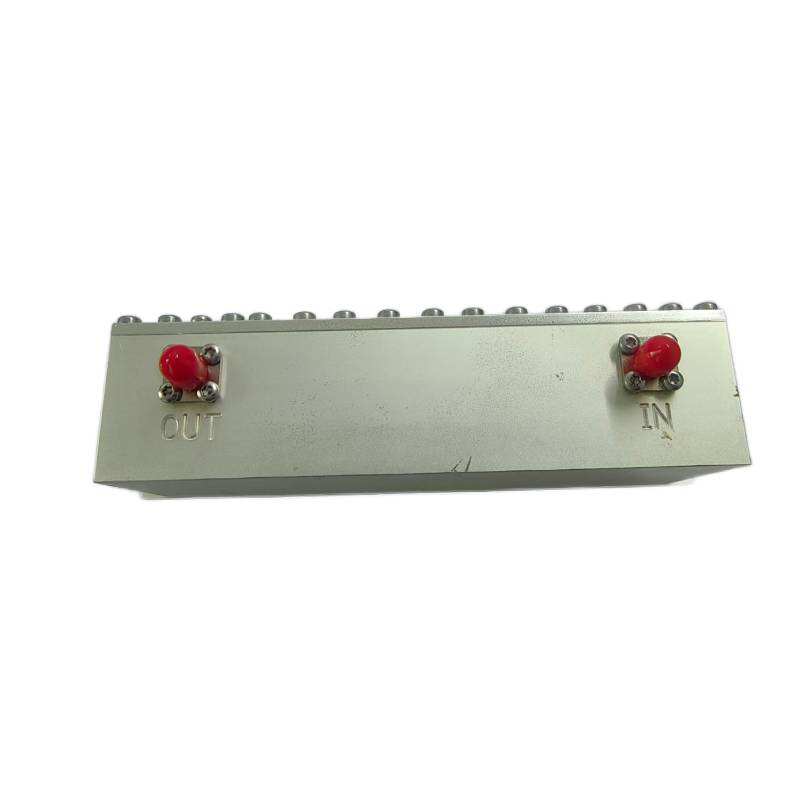
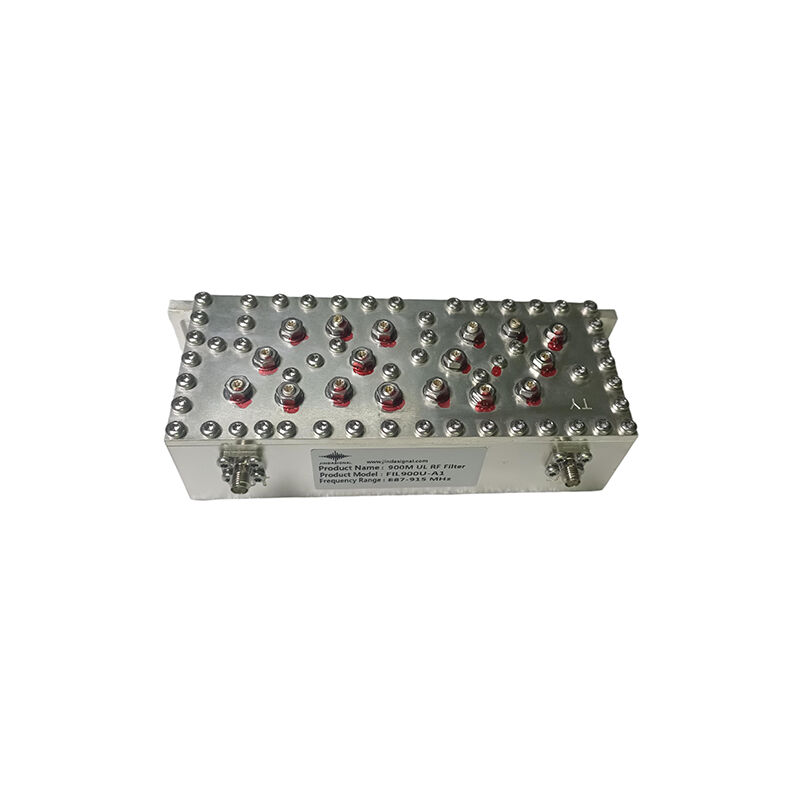
You may also have some problems using RF low pass filters. These RF Cavity Filter are specialized devices that allow low-frequency signals to pass, while keeping high-frequency ones out. However, many times filters tend not to work the way users expect them too. One other reason, that the filters can generate a low signal. It can be the case if you filter is not properly fitted. Always check your connections! Make sure the wire taps are a good connection. Signals might not transmit properly if they are loose.
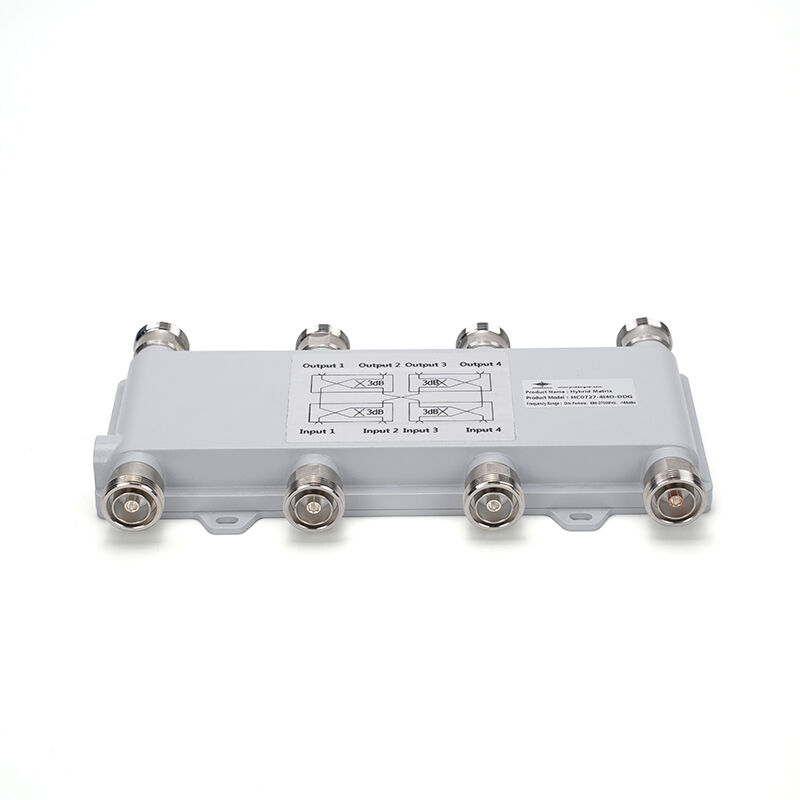
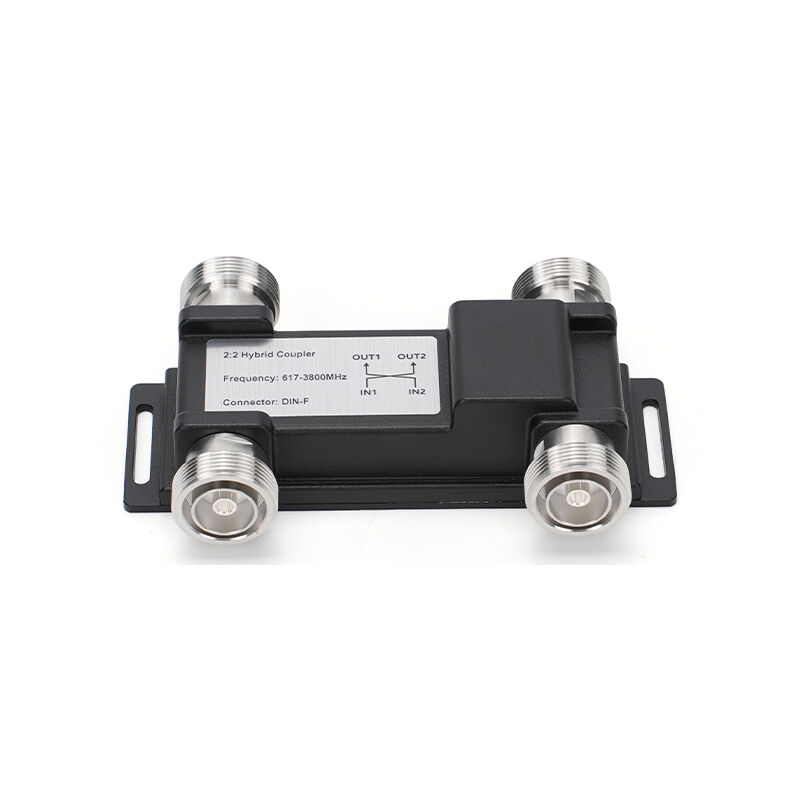
Another is that the filter could tamp down some signals you do want. This is possible, if the filter isn't perfect for your purpose. For instance, if you have got a filter that is design for other frequency range it might not be suitable to your project. So it's really important to match the right filter with your frequency. You can determine this by reading specifications of the hybrid coupler rf filter which explain how any given frequency it that you will attempt to go through it.
RF low pass filters by Jindasignal can be customized to meet the requirements of any project. That means you can pay for as much (or as little) horsepower as you need to get the job done, whether that’s a playful weekend build or something to impress a client. And don't underestimate the degree of security - clarity and efficiency they provide. Overall, implementing RF low pass filters may be one positive small decision where security meets efficient sound quality for you and everyone with whom you share your technology.

Copyright © Shenzhen Jindasignal Technology Co., Ltd. All Rights Reserved.
 EN
EN