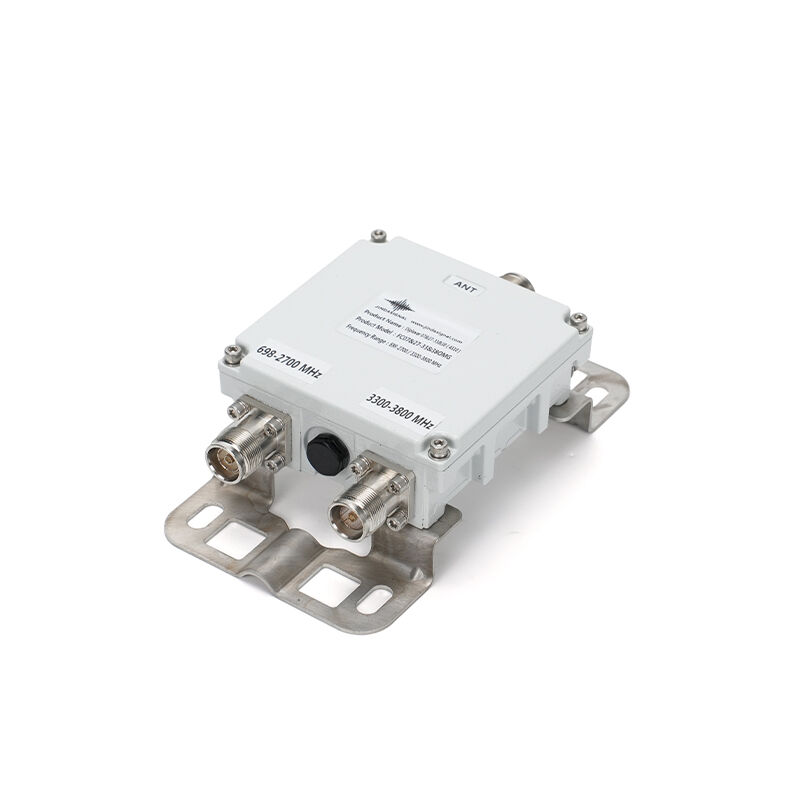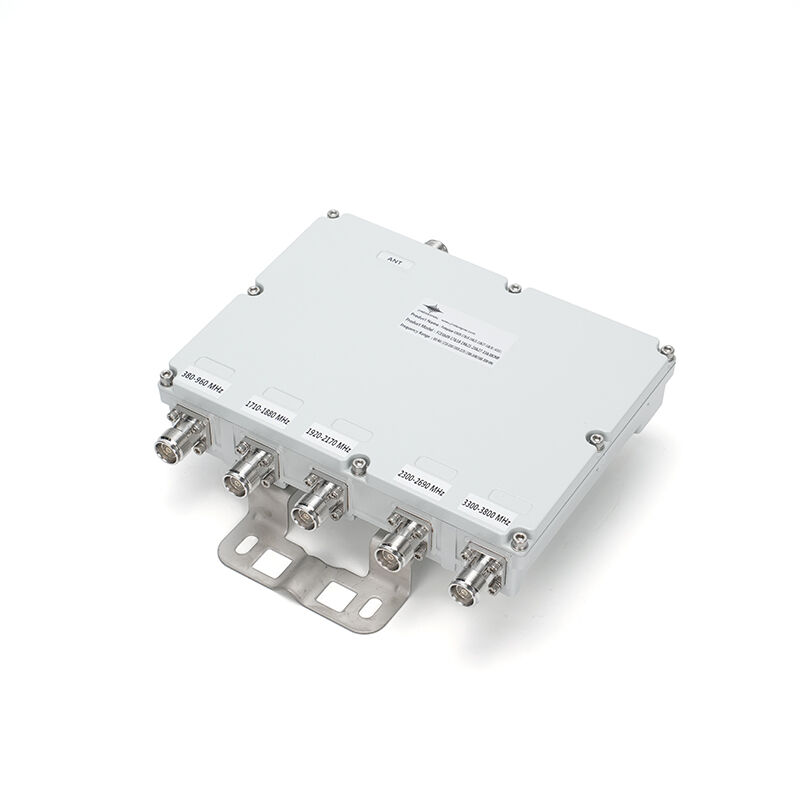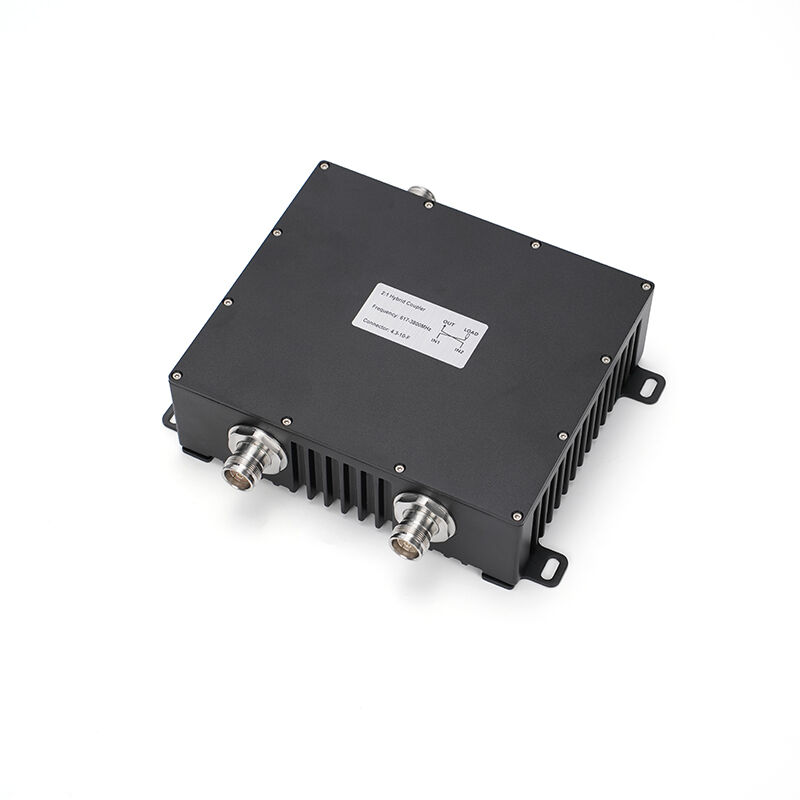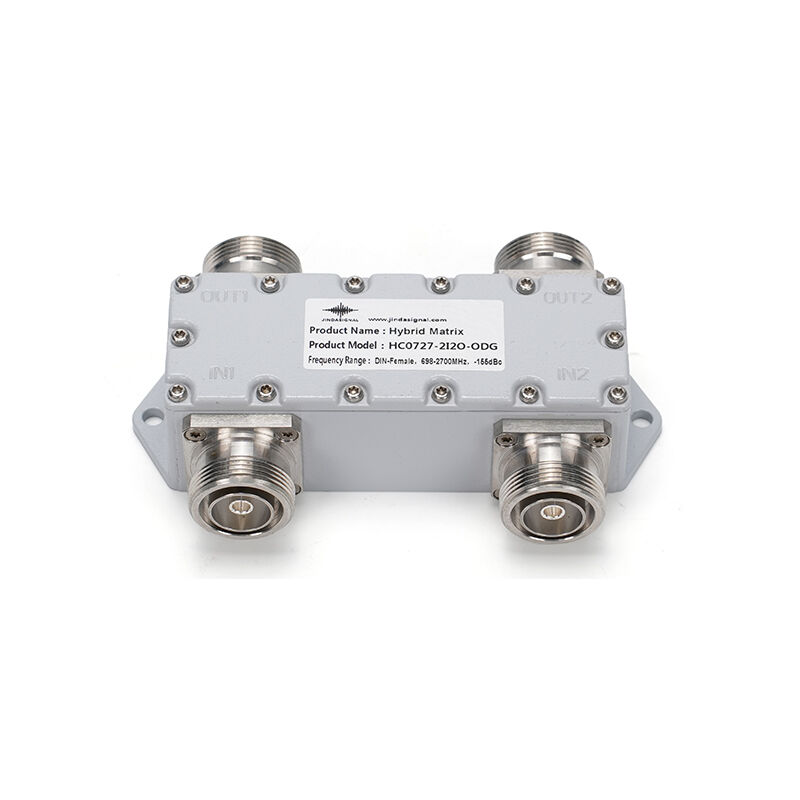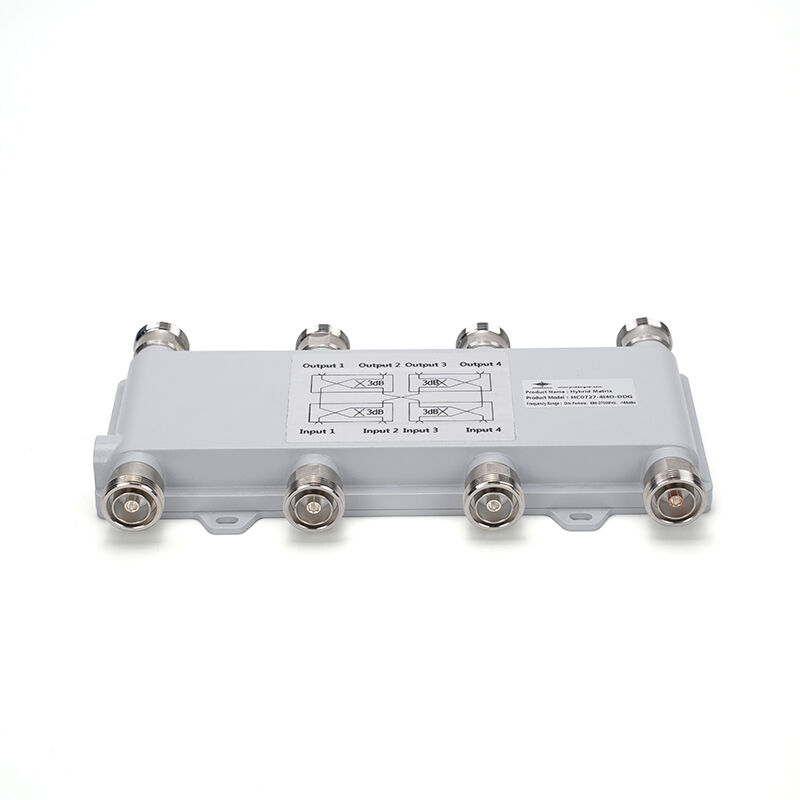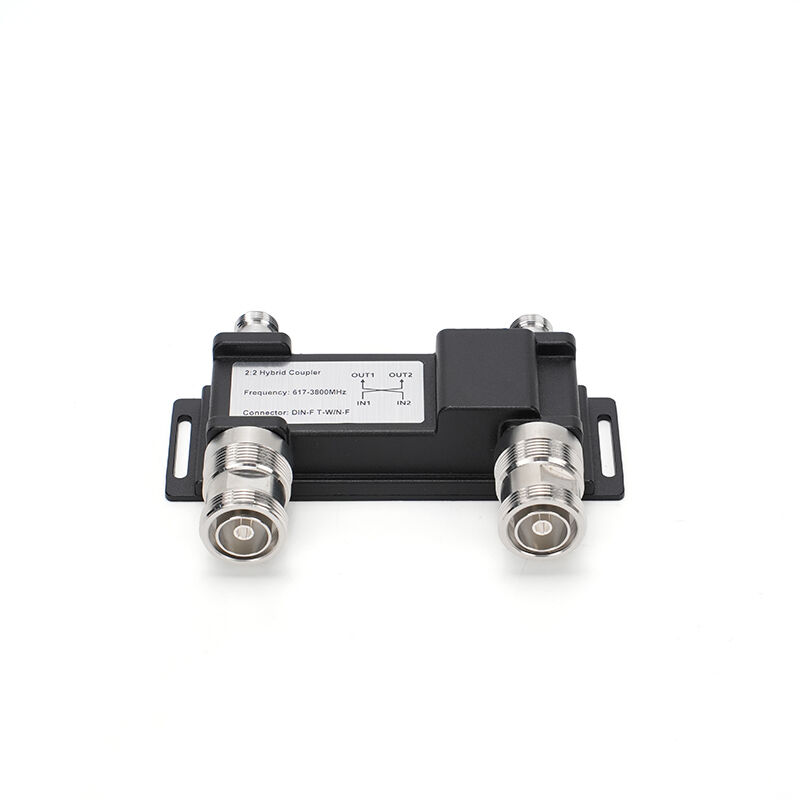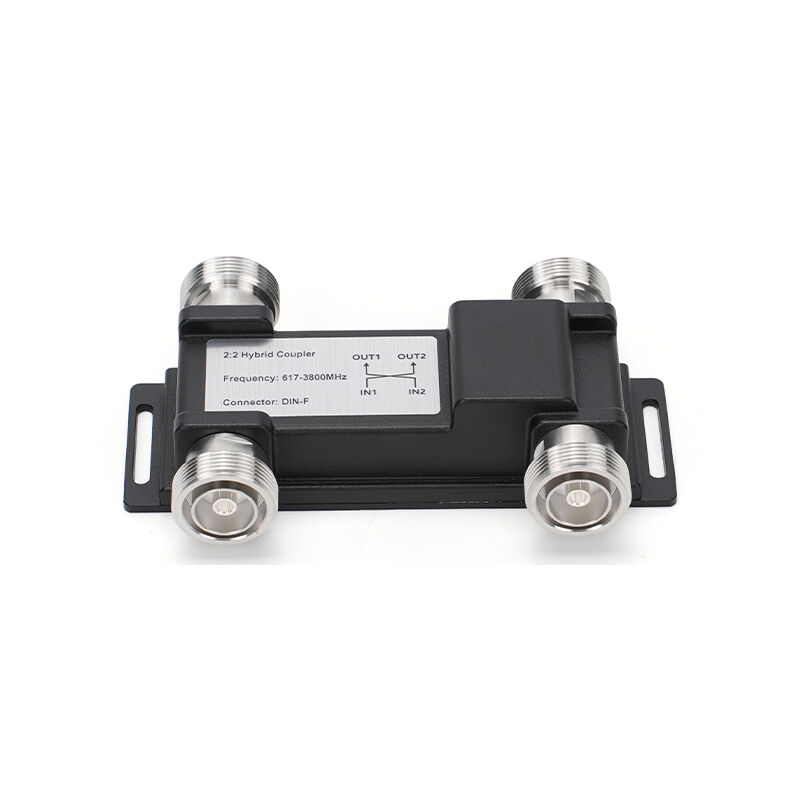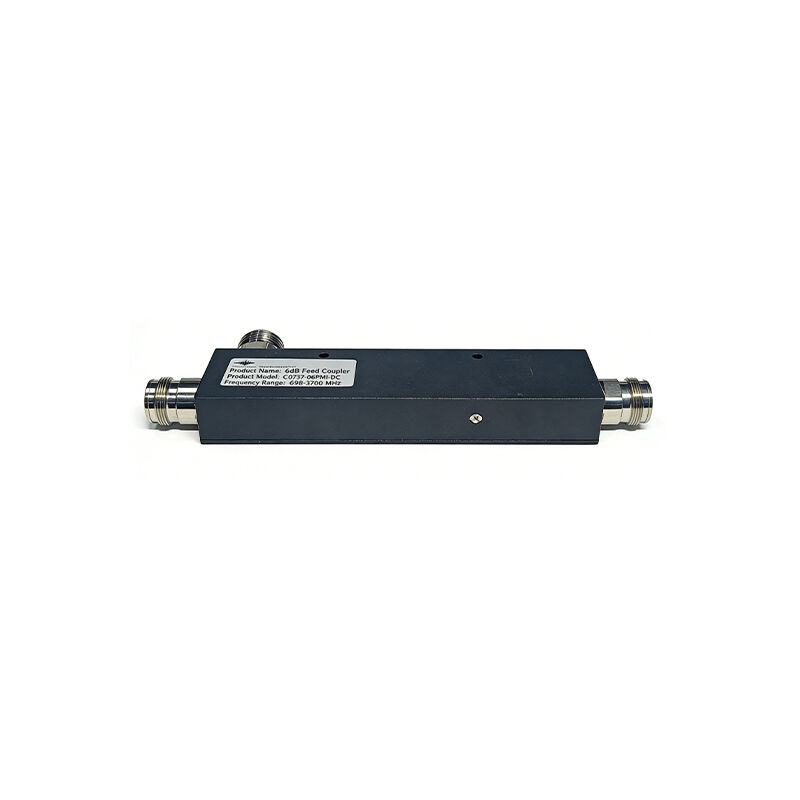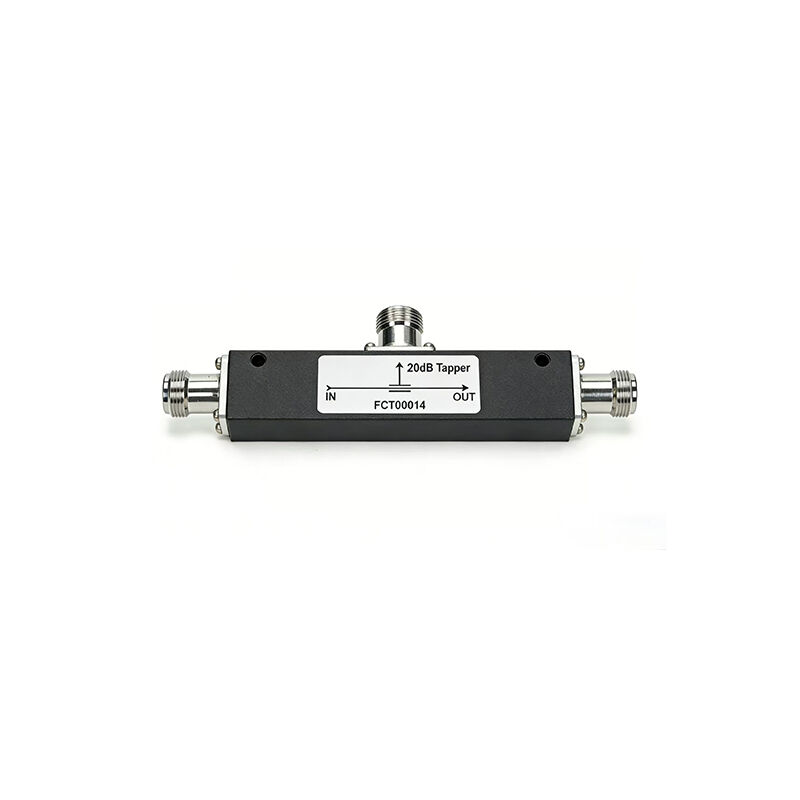
A broadband directional coupler is a kind of special component for the electrical signals in numerous electronic systems. It’s almost like a traffic officer for signals, directing them down alternative paths. When signals must be divided, added or measured in a smooth way, a broadband directional coupler has a role to play. Companies like Jindasignal are dedicated to producing these devices, and they perform well on a variety of frequencies and for various applications. This can be crucial for communications, broadcasting and other technology that depends on clear and strong signals. Familiarity with this tool can allow individuals to appreciate the form of signals and their significance in our daily lives.
A broadband directional coupler is a system which assists in controlling the signal of electricity. It is a sort of fork in the road for signals. The coupler can decide where to route a signal that it receives. It can also divert some of the signal down one route while permitting the rest to proceed down another. This is beneficial in many applications, such as radio or television technology. For instance, when a radio station sends its signal to airwaves, it may use a coupler as it transmits to track how strong that signal is while continuing to broadcast for listeners. Broadbanddirectional coupler usually has more than one ports connected with it and port is simply the place where wires or cables are attached. There is one input port, and typically two output-channel ports, as well as another port for monitoring. This feature allows one to see the power levels in the various traffic paths without disturbing the transmission of signals. We at Jindasignal know that specific applications don't always require a standardized design, so our broadband directional couplers are able to function virtually anywhere on the frequency spectrum – providing optimal use. Whether you need to route multiple devices, modify a signal or find the direction, our selection of broadband directional couplers offer the solutions for your systems. It is essential in ensuring that signals are clear, strong and on the right path as they travel to their destinations.
Choosing the right broadband directional coupler for your device might look like a difficult task with all these products available on the market, but once you know what your application is going to be you could make a good choice. First, think about the range of frequencies you will require. Different devices perform much better at particular frequencies, and you want a coupler that performs well within those extremes. For example, if you are connecting to the internet via a router, then you'll need to use a coupler which has been designed for the frequency your router is working at. Now, consider how much power you require. Some couplers accept higher power than others, so it is essential to select the one that's right for your application to prevent damage. Jindasignal supplies couplers of different power levels for various applications. Another important consideration is how many ports you require. If you're planning to connect more devices or want to split your signals even further, a coupler with additional ports is probably better for you. Last but not least, check out customer reviews and product descriptions. Hearing from others on the way they found using the coupler can help you with its performance and reliability. For instance, you might learn that a particular model takes an absolute beating on long-range signals something is very durable/short range. When you take all these elements into account, it is possible to get a broadband directional coupler tailored just for your needs.
If you're interested in purchasing broadband directional couplers, then there are a few key factors that you need to take into consideration. A broadband directional coupler is a component used in telecommunications systems, and other various lab and field instruments. All right, so take note of the frequency range first. It is important to have a coupler that performs good across the frequencies you want for your project. In case your signals have multiple frequencies make sure the choosen coupler can manage all of them properly. Next, check the coupling value. This lets you know how much of the signal will be transmitted out that coupled port compared to your main port. “You want enough coupling so you get the power where you need it,” he says. Also consider the power handling, before you decide. The power coupler should be capable of handling the greatest amount of power your system is capable of generating without overheating or being damaged.
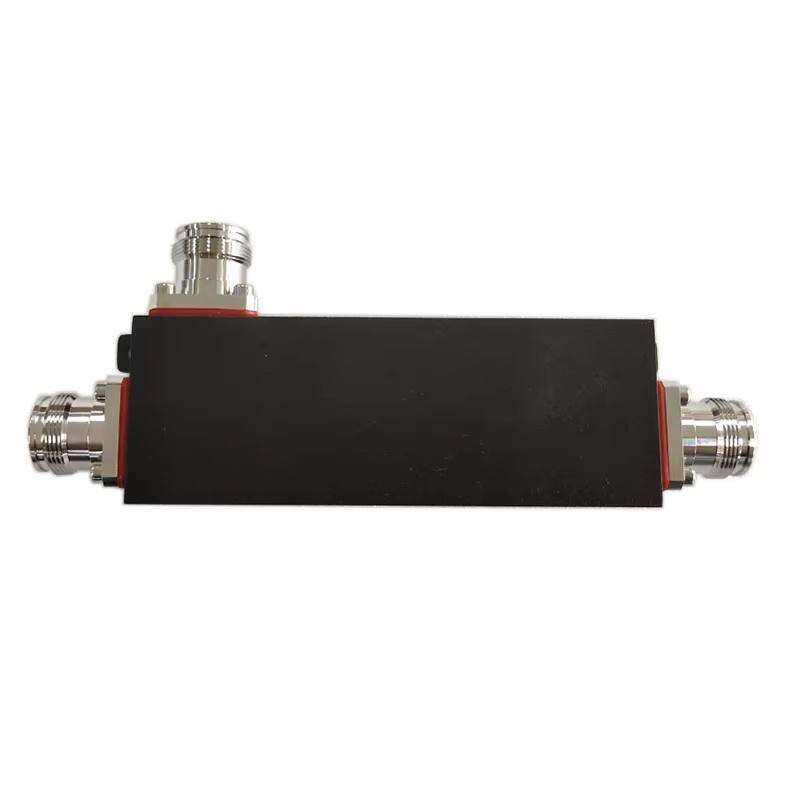
A third element is insertion loss -- how much signal power is lost as it goes through the coupler. The lower the insertion loss, the better it performs, so you want to find couplers with as low a value as possible. The form factor of the coupler also might be a concern, especially if space is at a premium in your application. Coupler size compatibility to the space where you are going to install it. You may also want to consider the materials in the coupler. Long lasting and super tough materials can help prolong the life of a coupler, improving performance. You might also want to take a look at reviews and hear from other coupler users about the pros and cons of the options you’re considering. Organizations such as Jindasignal will have a list of products that you can rely on and at times, even have customer support so they are able to help you with any questions. Keeping all of this in mind can help you ensure that you choose the right wholesale broadband directional coupler for your project.
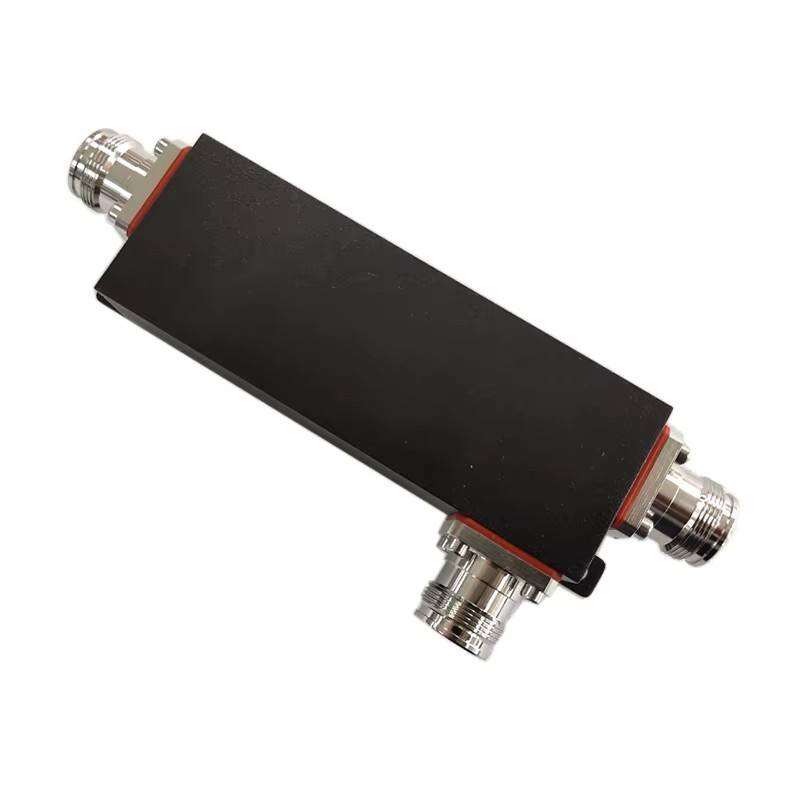
Maximizing the capabilities of your telecom system means more than simply choosing any broadband directional coupler. To find the best one, and use it correctly, you have to select the right one for your hair and set it up properly. For a start, please select a directional coupler from one of the most reliable brands (I like jindasignal as they have excellent service and products). When you’ve selected your coupler, the next consideration is how to install it properly. Make sure everything has been tightened down well. Poor connections will cause loss of signal and obviously affect system performance. Also, you want to keep the coupler away from other electronics that can interfere with these signals.
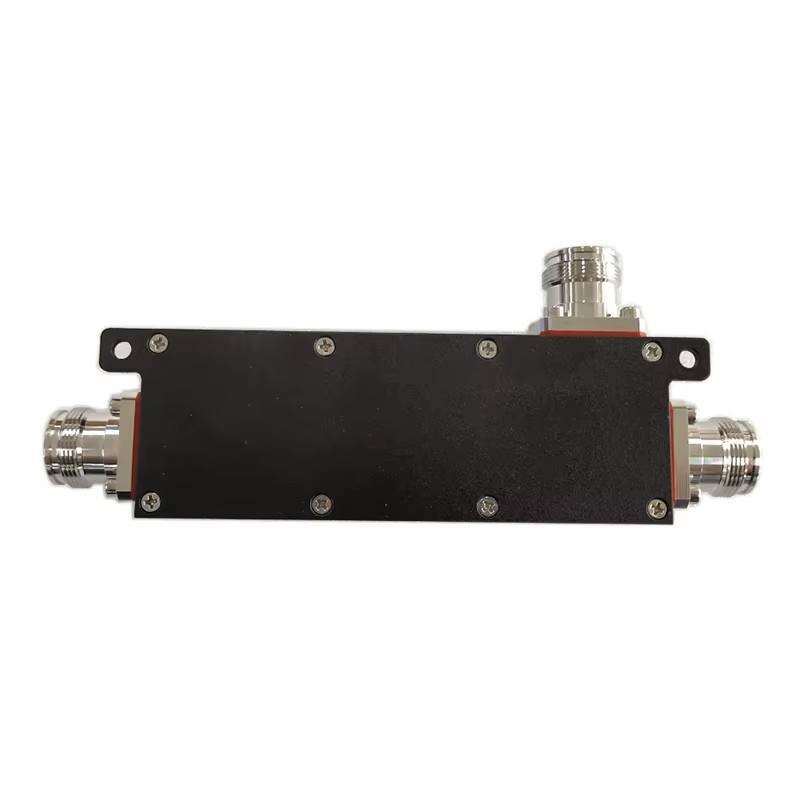
The setup would be tensed in order to perform better, who knew? Basically, this is adhering to the recommendations of the manufacturer. For instance, if the coupler has certain recommended separation distances from other gear don’t work into trouble with that either. It also helps to have decent cables and connectors. Cheap cables can create noise and loss, which effect the performance of your coupler. You may also want to perform periodic checks on your system. A signal analyzer can assist you in determining whether the performance is consistent with expectations. If you see any problems, you can nail them down early. Lastly, it is worth noting that the coupler performance might also be sensitive to environmental conditions (temperature and humidity). There should be a list of compatible vehicles available in the listing, just make sure it is stored in a climate controlled if possible. Maximize its potential You can maximize the potential of your broadband directional coupler when you do these things so that it works properly and give you with the best signal strength for other projects through telecommunications.

Copyright © Shenzhen Jindasignal Technology Co., Ltd. All Rights Reserved.
 EN
EN