EN
EN

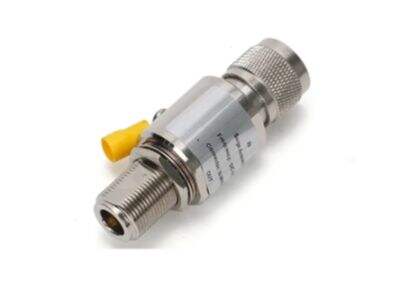
To keep buildings and people safe from lightning strikes, we uses devices called lightning arresters. These things help direct the lightning safely into the ground. To make sure they works well, grounding the lightning arrester is very important. Grounding means connecting the device to the earth, which helps to prevent damage and keep everyone safe. When a lightning strike happens, the arrester guides the energy into the ground and stops it from passing through other parts of the building. This article will explain the best way to ground a lightning arrester and how to install it correctly.
What is the Best Way to Ground a Lightning Arrester for Max Safety?
When grounding a lightning arrester, the most effective method involves using a ground rod. You can drive a copper or galvanized steel rod into the ground. This rod should be at least eight feet long and buried deep enough to ensure a solid connection with the earth. It’s crucial to choose a location that has moist soil, as dry ground can reduce the effectiveness of grounding. Once you have your rod in place, connect a heavy copper wire from the lightning arrester to the ground rod. Make sure that the connection is tight and secure. It’s also wise to check local building codes and regulations. They may have specific guidelines on how to ground lightning arrester properly.
And another key point is to keep the grounding wire as short as possible. This minimizes resistance and allows the lightning energy to flow quickly into the ground. You should avoid sharp bends in the wire, as these can cause issues with the grounding effectiveness. Using quality materials is also important. Choosing corrosion-resistant wire ensures that the connection remains intact over time. In areas prone to lightning, using multiple ground rods can provide extra safety. Each rod should be spaced apart to allow for a better dissipation of energy into the ground.
How to Install a Lightning Arrester Grounding System Properly for Wholesale Buyers
For those who are buying in bulk, like wholesale buyers, proper installation of a lightning arrester grounding system is essential for safety and efficiency. First, you need to assess the area where the arresters will be installed. Look for a flat surface that is clear of any debris or obstacles. Next, make sure you have all the necessary tools and materials, including ground rods, copper wire, connectors, and a hammer or a driving tool for the ground rods.
So start by marking the spots where the ground rods will be placed. Make sure they are spaced at least 10 feet apart to allow for proper energy dissipation. It's also wise to avoid placing them near water pipes or gas lines, as this can create potential hazards. Once the spots are marked, begin driving the ground rods into the ground. Leave a few inches above ground for the connection points.
After the rods are installed, connect the heavy-duty copper wire from the lightning arresters to each ground rod. Use connectors that are secure and designed for outdoor use. Double-check all connections to make sure they are tight. This will help ensure that the system works effectively when it is needed most. Once everything is connected, it’s important to test the system. You can use a multimeter to check for continuity in the grounding system. This step is often overlooked, but it is crucial to ensure that everything is functioning correctly.
By following these steps, wholesale buyers can confidently install lightning arresters that will protect buildings and their occupants from lightning strikes. At Jindasignal, we understand the importance of safety in industrial manufacturing, and we provide high-quality lightning arrester solutions designed to meet your needs.
How to Pick the Right Grounding Equipment for Your Lightning Arrester?
Choosing the right grounding equipment for your lightning arrester is very important to keep your home safe from lightning strikes. A building lighting arrester is a device that helps protect buildings from lightning damage. Grounding equipment is what connects this device to the ground. When looking for the right grounding equipment, first consider the type of material you need. Copper is a popular choice because it conducts electricity well and lasts a long time. However, some people also use aluminum, which is lighter and less expensive but may not last as long as copper. Next, think about the size of the grounding wire. It should be thick enough to carry the electricity safely. A thicker wire can handle more electricity without overheating. It is also essential to consider the length of the wire. Make sure it is long enough to connect the lightning arrester to the ground rod without any sharp bends.
You should also look at the grounding rod you will use. The rod should be made of a strong material like copper or galvanized steel. It needs to be driven deep into the ground, usually at least 8 to 10 feet, to be effective. This helps ensure that the electricity from a lightning strike can safely go into the ground. Check local codes or regulations, as they may have specific rules about grounding equipment. Finally, it is a good idea to choose equipment from a trusted brand like Jindasignal. They offer high-quality grounding products that can help protect your home. When you have the right grounding equipment, you can feel confident that your lightning arrester will work effectively to keep your home safe during a storm.
What are the Top Mistakes to Avoid When Grounding a Lightning Arrester?
When grounding a lightning arrester, there are some common mistakes you should avoid to ensure safety and effectiveness. One big mistake is not using the right materials. If you use cheap or low-quality grounding equipment, it might not work properly. Always choose good materials, like copper or galvanized steel, from reliable brands like Jindasignal. Another mistake is using wires that are too thin. Thin wires can heat up and cause a fire if they carry too much electricity during a lightning strike. Make sure to use the correct gauge of wire that is thick enough to handle high voltage safely.
Another common error is not burying the grounding rod deep enough. If the grounding rod is too shallow, it may not connect well with the earth, which can lead to problems during a lightning strike. It is essential to drive the grounding rod at least 8 to 10 feet into the ground. Also, avoid sharp bends in the grounding wire. Bends can reduce the efficiency of the grounding system. Always aim for a straight line when connecting the wire from the lightning arrester to the grounding rod.
Lastly, some people forget about regular checks and maintenance. It is important to inspect your grounding system at least once a year. Look for any signs of wear and tear, like rust or loose connections. If you see any problems, fix them right away. Neglecting maintenance can lead to failures when you need the system the most. By avoiding these mistakes, you can ensure that your lightning arrester grounding system is safe and effective in protecting your home.
How to Do Good Maintenance on Your Lightning Arrester Grounding System?
Conducting regular maintenance on your lightning arrester grounding system is crucial for keeping it working well. First, start by inspecting the grounding wire and rod. Look for any signs of rust or corrosion, especially if you are using metal materials. Rust can weaken the connection and make it less effective during a lightning strike. If you find rust, clean it off gently, or consider replacing the part if it is too damaged. Next, check the connections between the grounding wire and the tower lightning arrester. Make sure they are tight and secure. Loose connections can cause electricity to escape and may lead to fires or damage.
It’s also important to look at the grounding rod to ensure it is still firmly in the ground. Over time, soil can shift, causing the rod to become loose. If you notice that the rod is no longer deep in the ground, use a hammer or a driver to push it down further. Make sure it is at least 8 to 10 feet deep to work effectively. Another good practice is to keep the area around the grounding rod clear of debris and plants. This helps ensure that water can flow around the rod easily, which helps with grounding.
Finally, it is helpful to keep a maintenance log. Write down the date of each inspection and any repairs you made. This way, you can track how often you check the system and identify any recurring issues. Regular maintenance will help your lightning arrester grounding system stay effective and protect your home from lightning damage. Companies like Jindasignal offer excellent guidance and products for maintaining grounding systems, so don’t hesitate to reach out for advice or support. By taking these steps, you can ensure that your home stays safe during storms.
Table of Contents
- What is the Best Way to Ground a Lightning Arrester for Max Safety?
- How to Install a Lightning Arrester Grounding System Properly for Wholesale Buyers
- How to Pick the Right Grounding Equipment for Your Lightning Arrester?
- What are the Top Mistakes to Avoid When Grounding a Lightning Arrester?
- How to Do Good Maintenance on Your Lightning Arrester Grounding System?