EN
EN

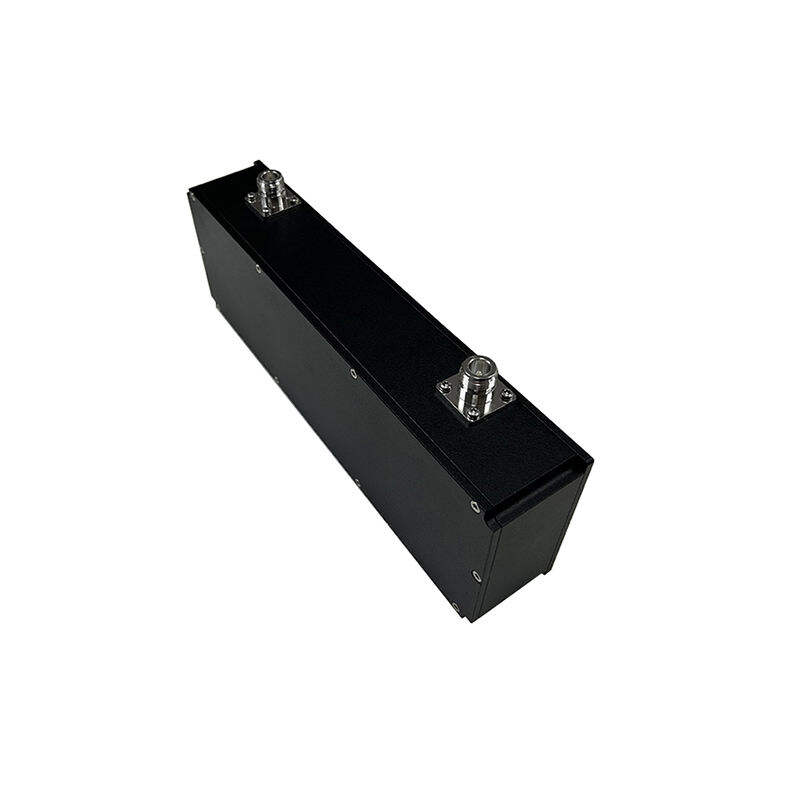
Wireless networks is essential in our daily lives. They helps us connect to the internet and talk with others without any wires. To make these networks work good indoors, we use special devices like Point of Interface (POI) and Radio Frequency (RF) passive things. Jindasignal is a company that focus on these devices, which ensures your wireless connection stay strong and reliable. Let’s look into how to pick the right POI and RF passive devices for what we need and what issues might appear in indoor wireless networks.
How to Choose the Right POI and RF Passive Components for Strong Wireless Networks
Picking the right POI and RF passive components devices are very important for a solid wireless connection. First, you should think about the size of the area you want to cover with the network. A large space might requires more devices to keep the signal strong all over. Jindasignal have different choices that works in big offices or small homes. Another factor is the kind of walls and furniture there. Thick walls or metal stuff can block signals, so you may need certain devices to get past these barriers. For instance, a signal booster from Jindasignal can helps go through hard obstacles. Also, check the frequency of the devices. Some does better on 2.4 GHz, while others run more efficient on 5 GHz. Based on your needs, you can find a good match. Last, always go for quality. High-quality devices might costs more at first, but they usually last longer and performs better, which save money over time.
Common Wireless Network Problems and How to Fix Them
Wireless networks are handy, but they can have some problems. One usual issue is weak signals. This happens if lots of people use the network together or if devices are placed too far. If your internet gets slow, it might be time to check where your Jindasignal devices are. Another problem is interference from other electronics. Like, microwaves or Bluetooth things can mess up the wireless signal. You can fix this by moving your wireless gear away from them. In addition, sometimes the settings on devices isn’t optimal. Checking the config regularly can improve how it works. And it’s key to update software. Old software can slow the network or bring security risks. By handling these common issues, you can have a better indoor wireless setup.
Where to Find Affordable Wholesale RF Passive Devices
When searching for cheap wholesale options for RF passive devices, know where to begin is important. RF passive devices are needed for building strong and steady wireless networks, specially indoors. A good spot to get them is online wholesale sellers. Sites like Jindasignal provides a big selection of RF passive devices at good prices. They got antennas to couplers and splitters. Buying in bulk often gives discounts, so it’s easier to stay in budget. It’s also wise to look for sales or special deals, which helps save more cash. Another way is going to trade shows or tech events. These shows display the newest products in wireless field. You can talk to makers in person and ask about their stuff. This helps find good quality devices without spending too much. Local stores for electronics might have RF passive device too, and seeing them firsthand is nice. But they may not always beat online prices. When getting affordable solutions, read reviews and ratings is crucial. That way, you see what others say about the devices. Jindasignal’s site has customer feedback to help decide. Last, think about making ties with suppliers. If you like a source, contacting them for next orders can get better deals. So, by being clever on where and how you get RF passive devices, you can set up a reliable indoor wireless network without going broke.
Latest Trends in POI and RF Passive Component Technology
The world of POI and RF passive devices keep changing. Companies like Jindasignal leads with new special ideas. One latest trend is making smaller and more efficient devices. These new RF passive devices takes less space and uses less power, which is great for indoor networks. With this, you can fit more devices in a small area without them bothering each other. Another trend is working on better signal quality. New materials and designs are used to cut down signal loss, helping wireless networks be faster and more reliable. For example, advanced ways in antenna design makes antennas that send and receive signals better. This matter a lot in busy spots like offices or schools, where many use internet at once. In addition, there’s more interest in smart devices. Many RF passive devices now works with smart tech. So they can be controlled from far, letting users watch and handle their networks easier. Another cool trend is using artificial intelligence (AI) to make network performance better. AI can predict problems before it happens, for quick fixes and smooth connections. Jindasignal stays ahead of these trends, offering products that fits today’s tech needs. Keeping watch on these changes can help you stay current and pick the best devices for your wireless network.
How to Improve Reliability in Wireless Networks Using RF Passive Components
To get maximum reliability in wireless networks, using good quality devices is necessary. Jindasignal provides high-quality RF passive components that strengthens your indoor wireless network. First, choose the right kind of devices. For example, high-gain antennas can improves signal strength, specially in big areas. Likewise, good splitters and couplers keeps signal quality, stopping loss. When setting up, proper installation matter. Follow the maker’s guidelines to set everything right. This include placing antennas in best spots and avoid blocks that stop signals. Regular check-ups are important too. Look at your devices now and then to see if they works fine. This catches issues early before they grow. Tools for measuring signal strength helps find weak areas in your network. Once you spot them, adjust by adding more antennas or moving ones around. It’s also good to keep backup devices ready, in case something breaks. That way, you replace bad ones fast and keep the network going smooth. Last, stay informed on latest trends and updates in RF tech can guide your choices. By focusing on quality and reliability, you can build a strong indoor wireless network that meet your needs.
Table of Contents
- How to Choose the Right POI and RF Passive Components for Strong Wireless Networks
- Common Wireless Network Problems and How to Fix Them
- Where to Find Affordable Wholesale RF Passive Devices
- Latest Trends in POI and RF Passive Component Technology
- How to Improve Reliability in Wireless Networks Using RF Passive Components