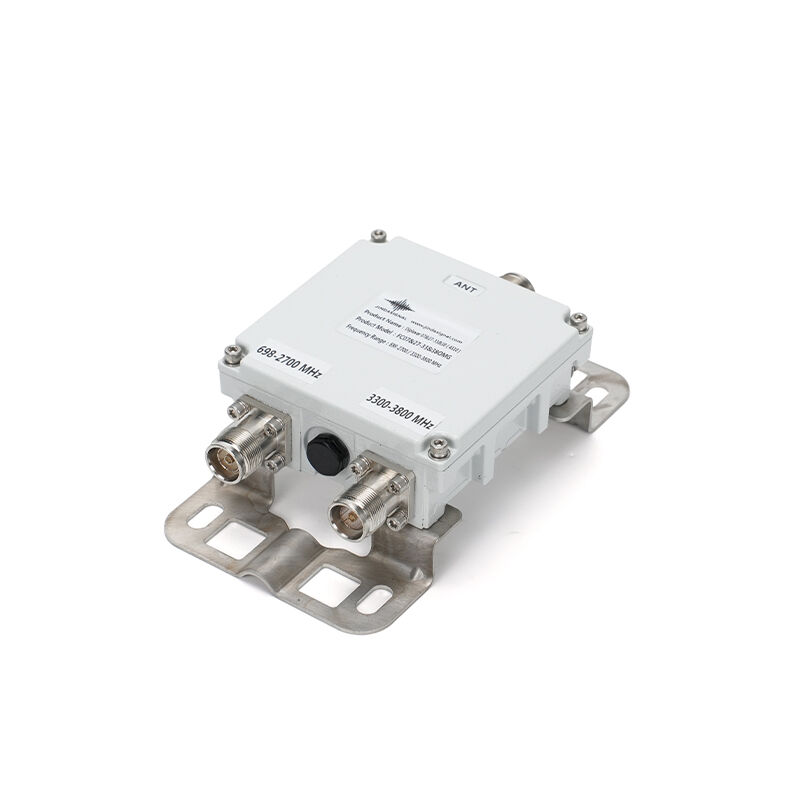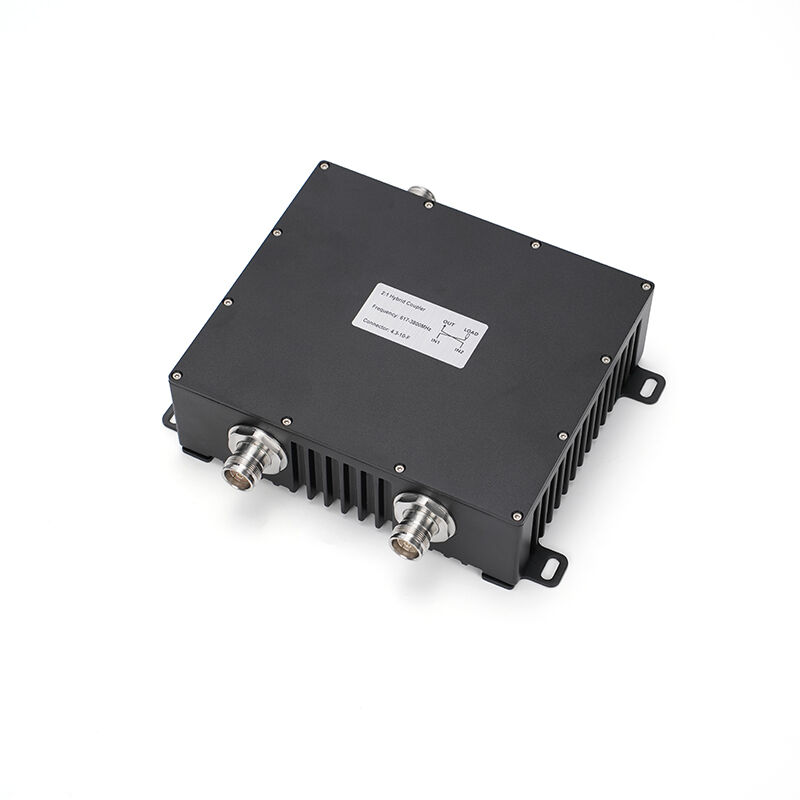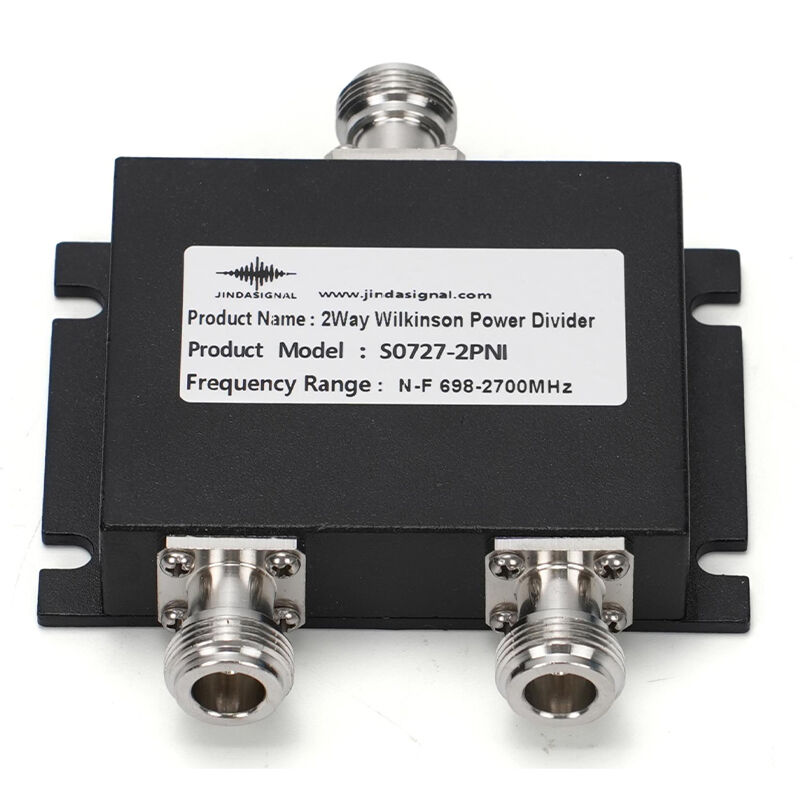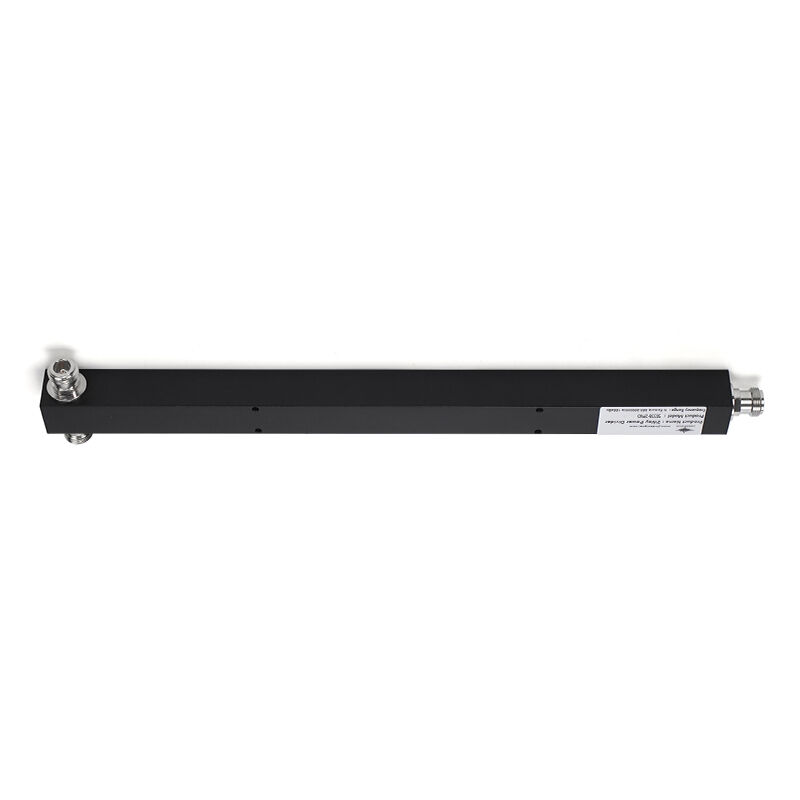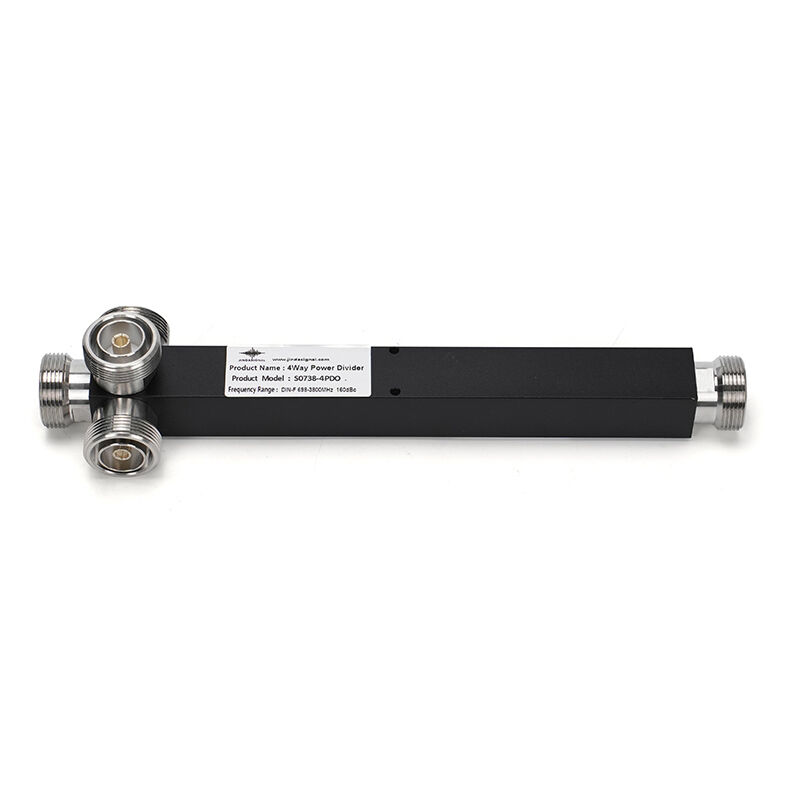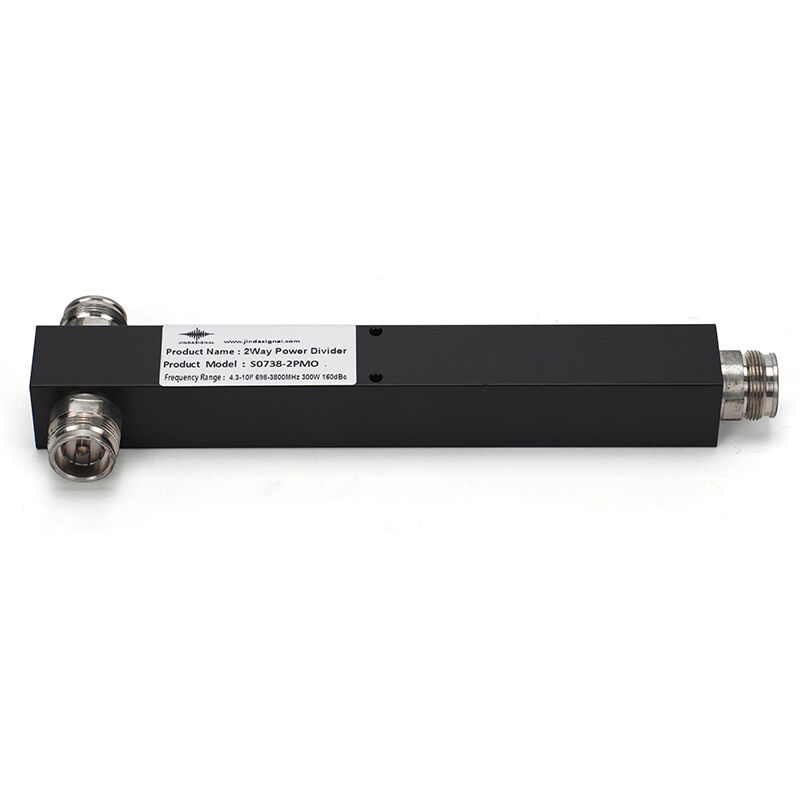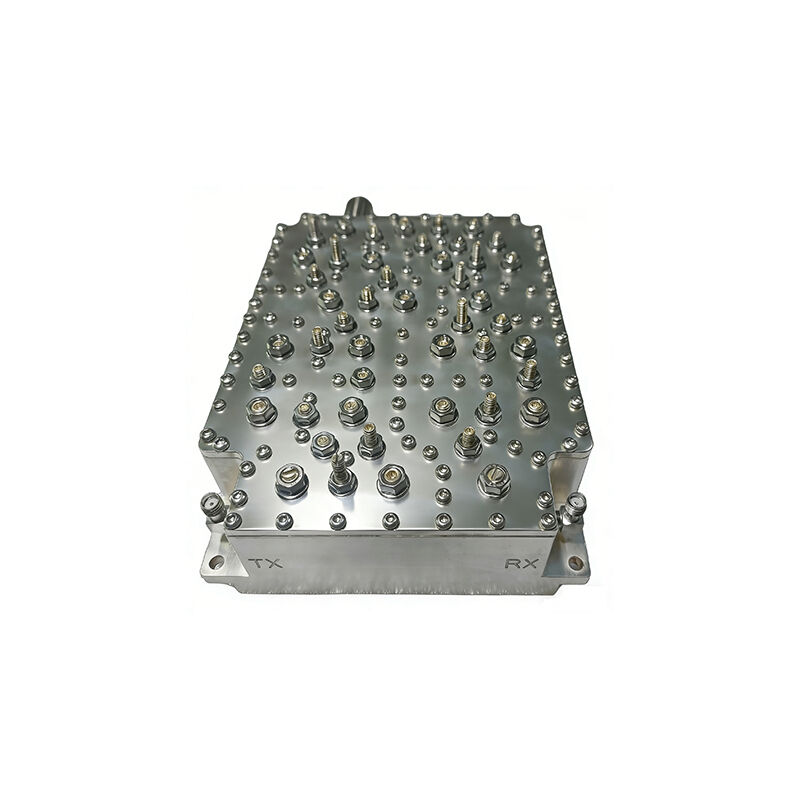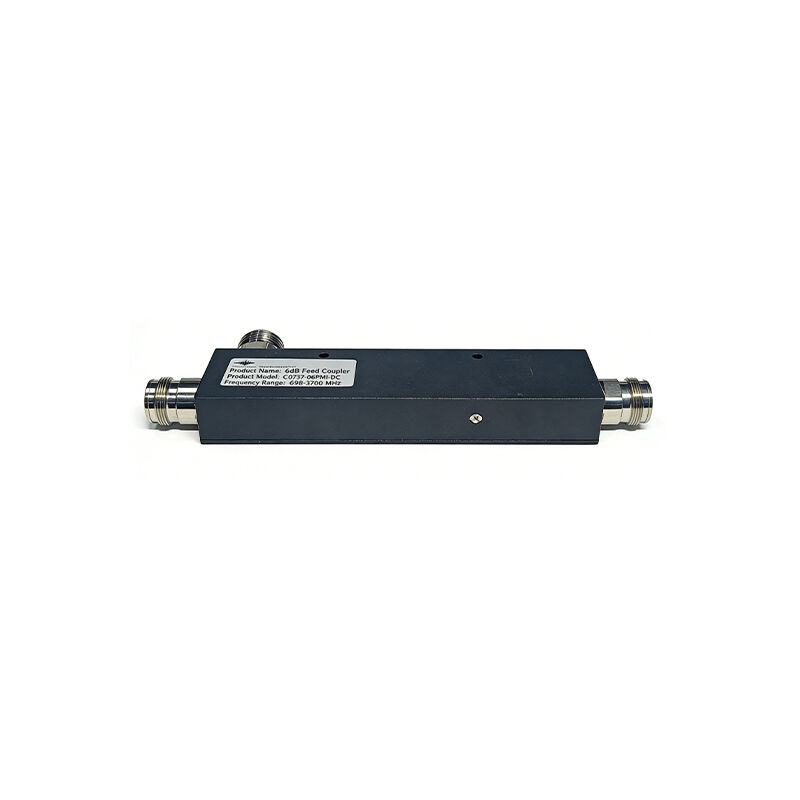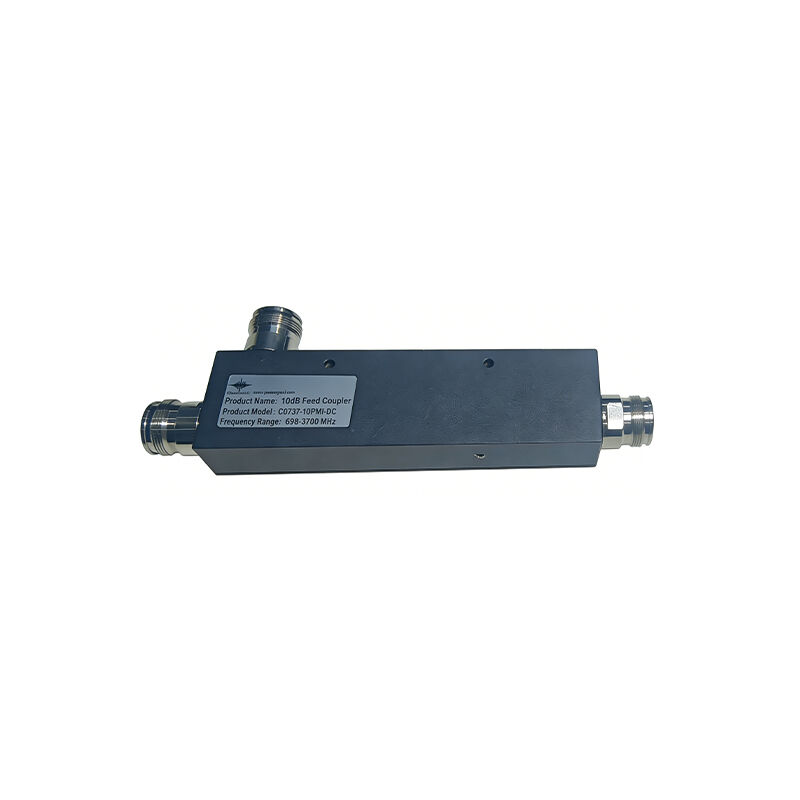
A tool that is useful in microwave engineering is a directional coupler. Such devices are used to control signals in equipment that works with radio-frequency (RF) and microwave energy. Picture a road where traffic can diverge to go in opposite directions as needed. Just like a directional coupler. It enables one signal to go one way, while allowing another signal to move in the opposite direction. This is great for communication, testing and a whole lot more. Jindasignal (in k1k2j, we specializing in designing and manufacturing high quality directional coupler. What's more important is, it keeps your operation efficiently idea. It allows you to test for signal levels in cable TV, security and surveillance system such as camera testing. It's important that someone studying microwave technology have an understanding of these devices. If you are interested in various types of signal devices, you might want to check out our Coupler options.
EXPLAIN THE FOLLOWING WITH EXAMPLES(a) DIRECTIONAL COUPLERIN MICROWAVES? A directional coupler is a component that accepts an input signal at an entrance port and subdivides it among two exit ports. It serves to let the main signal through, but it picks off some of that signal to monitor or process. Think of it as a water pipe that allows some water to pass through while also spouting out a little to test. Directional couplers are employed in different applications such as antennas, signal monitoring and testing devices. What they can do is allow engineers to check signal strength, search for faults in a system and make sure everything is working as it should be. For instance in a cell-tower, a directional coupler can keep an eye on incoming and outgoing signals to make that there is strong communication. They ensure the signals are kept in balance, and that all devices connected to the coupler will function better as a result. At Jindasignal, we know that the dependability of such combiners is essential for telecommunications, broadcasting or radar applications. We’re continuously developing couplers that feed your microwave engineering needs, getting you results whatever the context. Additionally, our Dummy Load products can complement your testing needs.
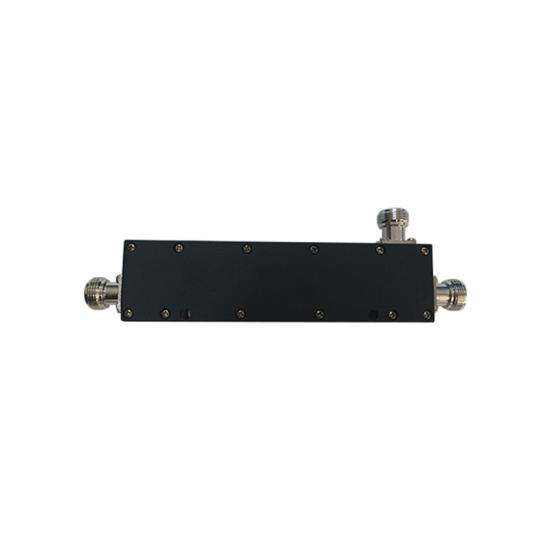
Recurring Usage Problems Directional Couplers in Microwave Systems. People love their directional couplers, they help a lot (me too). But sometimes they can bite. A frequent issue is the loss of signal. A certain amount of energy is lost as the evanescent field propagates through the coupler. That happens when there are poor connections or poor design of the coupler. Another problem can be with the incomplete isolation. This means that signals can spill over between one path and another rather than remaining distinct. This could be due to an incorrect configuration of the coupler or its use in an incompatible application. The key for engineers is to pick the right coupler for their application. What works best as a coupler for one application might not be so good in another. Temperature-dependent behavior of a coupler can also be influenced by temperature changes. You could calculate the ideal temperature to hold your device at for maximum efficiency, but if you get it too hot or too cold, it probably won’t work like you want it to. C'est enfin la base de toutes les choses physiques à faire lorsque vs paramétrez un coupleur, c'est d'avoir des liaisons physiquement solides. Bad connections can result in signal strength issues. At Jindasignal we place a great deal of importance on the installation and selection of the appropriate product to reduce these issues. it ensures that the design is correct, which can result in less error-prone communication and better-performing microwave systems.
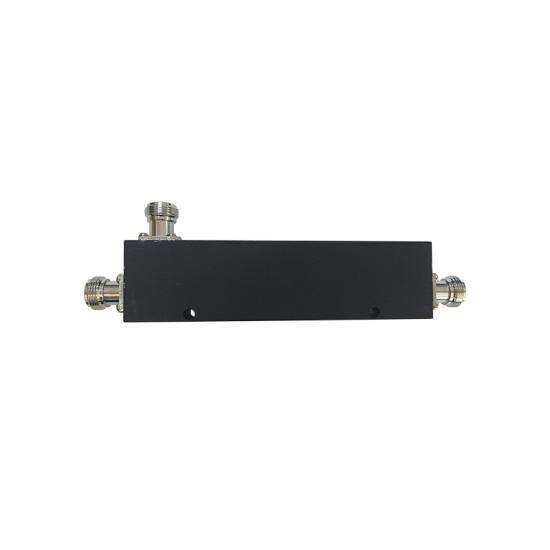
In telecommunications, directional couplers are instrumental in the enhancement of signal exchange and distribution techniques. Say you have a road that has several lanes, but only goes in one direction. Of similar operation is a directional coupler which permits signals to travel in certain directions. These are important devices, since they work to control the way information goes in and out. For instance, in a mobile phone network a direction coupler may receive the signal from one tower and distribute it to multiple other antennas in the vicinity. It means that more people can use their phones without confusing the signal. High quality directional couplers made by Jindasignal help to make this all so efficient. By dividing the signals properly, calls and data services are more reliable resulting in better voice quality and faster data. While this cell phone signal booster can effectively boost all U.S. carriers’ network signals, it will not work for other non-U.S. Such as WiMax 2.(Only Supports 4G LTE and 3G) NOTES: 1.Before you use this item, You should get 2-3 bars of stable connection in the location where the outdoor antenna is fixed in. Directional couplers may also be used for signal measurement. The independent Pentagon may be effective because engineers can assess signal strength with these devices and fix problems quickly. All in all applications of directional couplers in telecommunications are essentially about ensuring signals are distributed well for greater user satisfaction.
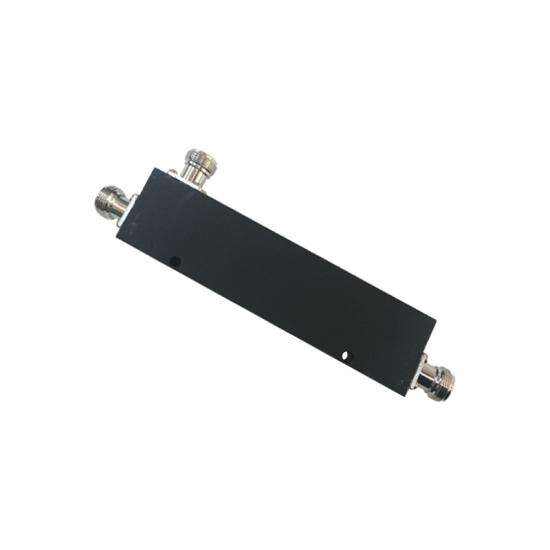
Many factors affect the performance of directional couplers in RF applications. One consideration is the coupler design itself. How it is made has an impact on how well it can divide signals. For example, some designs are configured for high power signals while others could be more suitable for low power signals. Another important issue is consideration of the material that they are made from. High-frequency material not weakening is good. Jindasignal provides the use of quality materials to ensure their couplers are performing in all weather conditions. The second factor is the repetition rates of the signal. To operate most effectively directional couplers should be properly tuned for a particular frequency. If the frequency is shifted, then it is possible that the coupler may not be able to divide the signals correctly, resulting in a communication difficulty. Finally, environmental conditions also have an effect on the performance. For instance, temperature changes can influence how well the coupler functions. These components are taken into account by engineers when designing and controlling directional couplers in such a way that the devices work with greatest performance.

Copyright © Shenzhen Jindasignal Technology Co., Ltd. All Rights Reserved.
 EN
EN